Klipriver Airfield is a Airport establishment in Randvaal, Gauteng, South Africa
Kliprivier Airfield – Randvaal, Gauteng
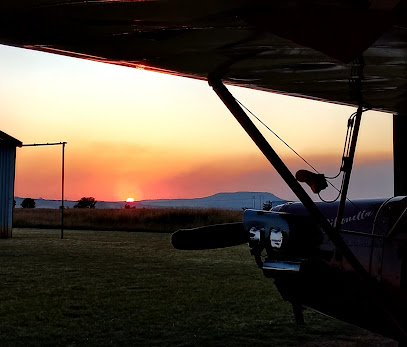
Located in the Randvaal area of Gauteng, Kliprivier Airfield is a renowned microflight destination described by visiting pilots and enthusiasts as a welcoming and relaxed aviation community. The site profiles indicate a focus on microlight flying with an emphasis on practical, hands-on activity in a friendly environment. The airfield is repeatedly referenced as a place where flight is both enjoyable and accessible, with observers noting calm air and the opportunity to fly in especially clear conditions.
Among the core offerings associated with Kliprivier Airfield, Rainbow Air School is a prominent presence. Several posts describe Rainbow Air School as a central operator at the field, providing flight training under experienced instruction. The collective commentary presents the school as a long-standing local resource, commonly regarded as the home base for training activities and a hub for pilots at varying levels of experience. In this context, the airfield serves not only as a place to fly, but as a community where instructors and students train, practise, and share flights.
Visitors and members frequently recount a positive atmosphere characterised by courtesy, respect, and camaraderie. A recurring theme in the discussion is the sense of belonging and mutual support among pilots, instructors, and trainees. The environment is described as family-like, with a culture that emphasises safety, shared flying experiences, and approachable guidance for those new to microlighting or the airfield’s community.
The typical flight activity highlighted by the discourse includes scenic or therapeutic local flights in clear skies, offering a peaceful alternative to other leisure activities. Reports of serene conditions—crystal-clear skies and quiet airwaves—are echoed across posts and comments, reinforcing the airfield’s reputation for pleasant flying experiences. The airfield is presented as a practical option for pilots seeking reliable conditions, with accounts noting that there is often a runway into the wind, which can contribute to smoother takeoffs and landings even on days with a degree of wind elsewhere.
In terms of facilities and operational rhythm, Kliprivier Airfield is framed as a small, community-driven site rather than a large commercial airport. The presence of Rainbow Air School suggests that training and instructional services are a central feature, with notable instructors associated with the field, including Mike Skinner according to visitor reviews. The broader community includes multiple experienced pilots who are identified as part of the airfield’s day-to-day life, contributing to a supportive and welcoming environment for both visitors and local aviation enthusiasts.
From a customer experience perspective, the forum discussions convey a welcoming culture where newcomers are treated with respect and included in activities alongside seasoned pilots. The feedback from reviewers highlights the airfield as a place where individual attention and mentorship are valued, and where new flyers can feel at ease within a seasoned flying community. The emphasis on safety, shared knowledge, and friendly interactions is a common thread in the reviews, reinforcing the sense that Kliprivier Airfield operates as a collaborative space for microlight aviation.
Practical tips for visitors and prospective students include:
- Plan for a social, community-oriented visit where interaction with instructors and fellow pilots is encouraged.
- Expect a training-centric atmosphere centred on Rainbow Air School, which appears to be a key operator at the field.
- Choose a day with light to moderate winds for potentially smoother flights, while recognising that there is often a runway into the wind to accommodate varying conditions.
- Arrive prepared for a informal, friendly environment rather than a commercial airport setting; expect guidance and mentorship from experienced pilots.
- Be mindful of local travel considerations if driving to the Randvaal region and allow extra time for arrival at a community airfield where schedules can be informal and dependent on flying activity.
Open hours and exact operating times are not detailed in the available sources, but the tone of the overall discussion suggests a flexible, flight-focused schedule driven by weather and the needs of Rainbow Air School and visiting pilots. The airfield’s location is described in relation to the Randvaal area in Gauteng, with frequent references to nearby aviation communities and the broader South African microlight scene. For those seeking a friendly, instructor-led introduction to microlighting, Kliprivier Airfield presents itself as a community-minded option within the Gauteng aviation landscape.
Randvaal
Gauteng
South Africa
Sorry, no records were found. Please adjust your search criteria and try again.
Sorry, unable to load the Maps API.
Airport Services in Randvaal, Gauteng
Within the Gauteng region, airports serving Randvaal and surrounding communities typically provide a breadth of services geared to passenger comfort, efficient operations and safe, reliable handling of aircraft and cargo. While Randvaal itself may not host a major international gateway, nearby hubs offer essential support networks that influence the experience for travellers and businesses in the area. The range of services commonly available reflects the mix of commercial, general aviation and logistics activities characteristic of the province.
Passenger handling at airports in the vicinity usually follows standard patterns. From the point of entry, travellers can expect a clearly signposted check-in or bag-drop area, security screening, and accessible information desks. In larger facilities, arrivals processes may involve immigration where applicable, customs for international routes, and organised baggage reclaim. Airports frequently provide accessible facilities for travellers with reduced mobility, suitable toilet provision, family rooms, and a range of shops and food outlets to improve the journey. The emphasis is on predictable flows and queues that accommodate both peak periods and routine operations.
Ground handling services form a core part of airport operations. These services include aircraft parking guidance, marshalling from the apron, loading and unloading of baggage, and coordination of ground power, air conditioning and other essential utilities. For regional and light aircraft, specialised handling teams manage ground transportation to and from the terminal, ramp services, and secure storage or hangarage arrangements when required. In all instances the objective is to minimise turnaround times while maintaining high safety standards.
Fuel and maintenance are critical components for many operators using airports around Randvaal. Fueling facilities are designed to meet regulatory requirements and are operated with strict attention to safety. Routine maintenance facilities may range from routine engineering inspections to more comprehensive on-site capabilities, depending on the scale of the operation and the types of aircraft regularly in use. Where on-site technical support is not available, reliable connections to approved suppliers through the region ensure that aircraft can be serviced effectively between flights.
Cargo and freight services are a vital element for businesses in Gauteng, given the region's role in commerce. Airports typically offer freight handling, warehousing, customs clearance for cross-border shipments where appropriate, and step-by-step procedures to ensure consignments are secured, documented and tracked. This helps enable timely distribution across Gauteng and beyond, even when consignments require complex routing or specialised handling.
Other practical considerations include ground transport and parking arrangements, passenger lounges or waiting areas, and retail or dining options where available. Many facilities provide short-stay and long-stay parking, car rental desks, and organised taxi or shuttle services to support onward travel. Accessibility for disabled travellers, clear information systems, and multilingual signage are emphasised to assist visitors who may be unfamiliar with larger hubs.
To understand what to expect at a given airport serving Randvaal, it is useful to consider a few common points. First, check-in and security procedures generally operate in a similar sequence regardless of carrier or terminal. Second, the timeframe for arriving at the airport ahead of a domestic departure tends to be shorter than for international travel, with additional documentation checks where relevant. Third, aviation safety and regulatory compliance shape every part of the process, from baggage handling to airside access. Finally, regional airports rely on coordinated coordination among airlines, service providers and airport management to maintain smooth operations and a dependable level of service for customers in Randvaal and the wider Gauteng area.