Limpopo Flight School is a School establishment in Mokopane, Limpopo, South Africa
Limpopo Flight School: Flight Training and Ground School in Limpopo
Limpopo Flight School operates as a dedicated aviation training provider located in the heart of Limpopo, with its main base at Pietersburg Civil Airfield, Polokwane. The school presents itself as a comprehensive training centre covering multiple microlight and light aircraft categories, alongside general aviation credentials. Its offerings are positioned to support a broad spectrum of aspirant pilots, from initial theory through to advanced licence and rating endorsements.
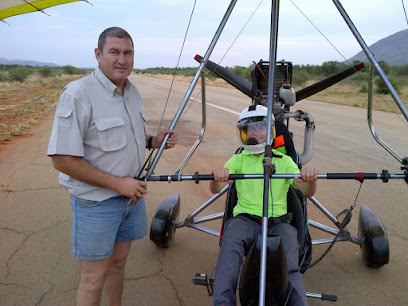
Key services include both flight training and ground school components designed to prepare students for national pilot licences and specific aircraft endorsements. The training programme explicitly notes a pathway to the National Pilot Licence Part 62, while also addressing specialised areas such as Light Sport Aircraft, Weight-Shift Microlight, and Conventional Control Microlight categories. In addition to initial licence training, the school provides avenues for licence renewals, instructor training, and advisory support for type ratings and radio telephony competencies. This breadth of provision suggests an integrated approach to pilot development, combining practical flight instruction with the necessary theoretical framework and regulatory awareness.
The school positions itself as an approved exam centre for the Civil Aviation Authority (CAA), underscoring its role in facilitating official assessments alongside training. This status is presented as part of the credibility framework, indicating a streamlined route for learners who wish to complete examinations in-house as part of their progression toward licensing. The included contact details (Nico, with mobile numbers for WhatsApp and telephone communications) imply a straightforward point of contact for prospective students during the enrolment and scheduling process.
From a customer experience perspective, visitor feedback highlights consistently positive impressions of the school’s microlight training offering. Public recommendations reference the site as a preferred option for microlight instruction within the Potgietersrus/Polokwane area, with multiple five-star endorsements. Review snippets suggest satisfaction with the quality of training and the value presented in relation to the learning environment and instructional support. Although the available reviews are succinct, they convey user confidence in the school’s ability to deliver practical flight training within the Limpopo context.
In terms of the student journey, the typical workflow can be inferred as follows: prospective learners engage with the training centre, establish eligibility for the National Pilot Licence Part 62 or relevant microlight categories, and access both flight instruction and ground school content under the oversight of CAA-approved procedures. The emphasis on “one stop” capabilities in the school’s description reflects an intention to consolidate training, examination, and licence management under a single organisational umbrella, reducing the administrative burden often associated with aviation studies.
Typical job types and training outcomes referenced within the materials align with common microlight and light aircraft pathways. These include qualifications across Light Sport and Microlight categories, plus conventional and weight-shift configurations. While explicit industry placements or post-licence career tracks are not enumerated, the stated portfolio is compatible with general aviation roles such as private pilot activities, light sport operations, flight instruction, and potential further endorsements in radio communication and aircraft type ratings.
Practical tips for customers
- Verify suitability for the National Pilot Licence Part 62 or microlight category you aim to pursue, and confirm exam arrangements via the school’s approved centre status.
- Contact the stated point of contact to discuss scheduling, availability at Pietersburg Civil Airfield, and any prerequisites for ground school modules.
- Ask about the balance between flight training time, ground school content, and the timetable for examinations to align with personal commitments.
- Clarify pricing, inclusions for theory and practical components, and what equipment or aircraft types are used during instruction.
- Plan for regulatory requirements such as radio telephony training and any optional endorsements that may support future career options in aviation.
Geographic coverage and location details indicate service centred on Limpopo, with the main operational base in Pietersburg/Civil Airfield and a regional focus around Polokwane. The site and accompanying reviews position Limpopo Flight School as a local option for aspiring pilots seeking structured microlight and light aviation training within the Limpopo province.
Mokopane
Limpopo
South Africa
Sorry, no records were found. Please adjust your search criteria and try again.
Sorry, unable to load the Maps API.
School Services in Mokopane, Limpopo
In Mokopane, Limpopo, school services are designed to support learners through the day with a range of educational and ancillary provisions. These services typically operate within public, private, and specialised settings, reflecting the region’s diverse schooling options. The focus is on delivering a safe, orderly environment where pupils can learn, practise skills, and access necessary support outside formal classroom hours.
Core school services usually include daily instructional time, which encompasses core subjects such as mathematics, languages, science, and social studies. Many institutions emphasise literacy and numeracy development, with additional support for learners who require targeted intervention. Practical subjects, arts, physical education, and life skills are commonly offered to foster well-rounded development. In the Limpopo region, provision may be guided by national curricula while accommodating local languages and cultural contexts, enabling learners to engage meaningfully with material in a familiar linguistic setting.
Support services are an essential component of school life. Counselling, guidance on career paths, and welfare services help learners navigate personal and educational challenges. Where available, schools may coordinate with community organisations to provide extra assistance, such as tutoring programmes, mentorship, and after-school activities. These offerings aim to extend learning opportunities beyond standard class times and to accommodate different learning paces and needs.
Practical considerations for families and learners in Mokopane include transport arrangements, meal provision, and safe boarding or after-school supervision where applicable. Many schools provide or organise transport options to accommodate families living at a distance or with limited access to reliable private transport. Meal programmes, where offered, seek to meet daily nutritional needs and support attendance and concentration during lessons. After-school clubs and homework support are common, helping learners reinforce learning and stay engaged after the formal day ends.
Facilities vary by institution but typically include classrooms equipped with basic teaching aids, dedicated spaces for practical subjects, libraries or reading corners, computer or ICT resources where possible, sport and recreation facilities, and appropriate safety measures. In rural and peri-urban parts of Limpopo, schools may collaborate with local communities to optimise resource use and provide shelter, shade, and outdoor spaces that support physical activities and break times.
When selecting a school in Mokopane, several practical considerations come into play. Proximity to home or work can influence daily routines and transport needs. School hours and the availability of after-school programmes affect logistics for families. Language of instruction, exposure to local cultural contexts, and opportunities for extra-curricular activities may be important for pupil engagement and motivation. Parents and guardians commonly review admission policies, assessment practices, and progression routes to secondary or higher education, while ensuring that school safety practices align with local expectations and regulatory requirements.
Overall, schooling services in Mokopane aim to provide a stable and supportive environment that promotes academic growth, personal development, and community involvement. Learners are encouraged to participate in a mixture of classroom learning, practical experiences, and enrichment activities, with accessibility and safety as ongoing priorities for educators and families alike.
Commonly Offered Services
- Instruction in core subjects (languages, mathematics, science, social studies)
- Inclusive support for learners with additional needs
- Guidance and counselling services
- After-school and homework support programmes
- Extracurricular activities (sport, arts, culture, clubs)
- Meal provision or nutritional programmes where available
- Transport arrangements or coordination with local providers
- Safe and supervised facilities for learners during and after school hours