Madiba Bay School of Flight is a Flight school establishment in Gqeberha, Eastern Cape, South Africa
Madiba Bay School of Flight (MBSF): Flight Training in Gqeberha, Eastern Cape
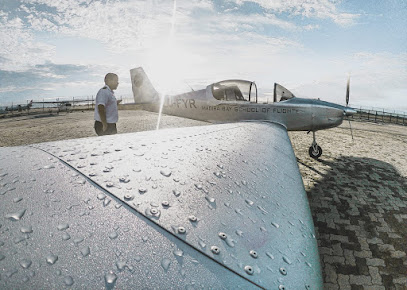
Madiba Bay School of Flight operates as a family‑run flight school based near Port Elizabeth International Airport, in the Eastern Cape of South Africa. The organisation presents itself as a practical, student‑led aviation training provider that emphasises personalised instruction, modern equipment, and affordable training paths. With a fleet centred on six Sling aircraft alongside a Piper PA‑30 Twin Comanche in use, the school positions itself as a modern facility designed to deliver both foundational and advanced pilot qualifications.
The core offering is a tiered set of professional pilot courses aligned to SACAA requirements and ICAO recognition. The Private Pilot Certificate (PPL) serves as the initial stepping stone, described as the first gateway to a commercial career in aviation. The Commercial Pilot Licence (CPL) is marketed as the next major milestone, enabling operation of aircraft for hire or reward once the required flight hours and examinations are completed. For those seeking additional capabilities, Night Rating is available to extend flying time, broaden operating conditions, and satisfy prerequisites for a CPL pathway. In practice, these courses are framed as self‑paced and individually tailored rather than conducted in rigid batch formats.
Beyond the standard licences, the school highlights additional ratings and capabilities through its information for students. These include night ratings on Sling 2 aircraft and the potential for multi‑engine and instrument flight rules (IFR) ratings via the Twin Comanche. The presence of a SACAA‑aligned exam room on site and the emphasis on “no batch training” reinforce the message of customised progression suited to each learner’s schedule and pace.
The training philosophy is complemented by practical advantages claimed by the school. Notable among these are access to competitively priced training thanks to the Sling 2’s efficiency, and a localisation strategy that integrates accommodation within walking distance of the airport. The school asserts a relaxed yet professional training environment, with attention to strong student–instructor pairing and flexible scheduling.
In terms of location and regional appeal, the school stresses Port Elizabeth as an attractive aviation hub with access to daily commercial flights, respectable airport infrastructure, and a diverse urban setting. The surrounding area is highlighted as offering nearby accommodation, shopping, and leisure facilities, providing a supportive base for trainees relocating to undertake training.
Typical student experience and service attributes
Visitor feedback emphasises a hands‑on, people‑focused culture. Reviews describe a family‑operated atmosphere with carefully selected instructors and cadets, where each student is paired with an instructor to foster productive working relationships. The environment is portrayed as flexible, with training times adapted to individual needs rather than dictated by rigid cohorts. Commentators frequently note the affordability of training relative to traditional options, noting the Sling 2 aircraft as a cost‑effective platform compared with more conventional training aeroplanes. The aircraft fleet is described as modern and well maintained, contributing to a sense of reliability and safety in training operations.
Numerous testimonials commend the staff’s friendliness, accessibility, and commitment to student success. The SACAA‑approved framework and on‑site exam facilities are seen as facilitating smooth progression from learning to licensing. The presence of a dedicated SACAA examiner associated with the school is cited by some reviewers as a reassurance of standard and compliance expectations.
Accounts from former or current students likewise highlight practical support mechanisms, such as accommodation guidance through trusted partners, and the option to train without a mandatory upfront lump sum—favouring a pay‑as‑you‑go financial arrangement. This model is presented as offering financial flexibility for students funding training themselves, with refunds available should training plans change.
Practical tips for prospective students
- Understand visa and language requirements in advance. The school provides guidance on study visas and language proficiency checks, with English proficiency treated as essential for aviation training.
- Plan financing on a pay‑as‑you‑go basis. There is no compulsory bulk payment, and deposits are refundable, subject to policy terms.
- Consider accommodation early. Although MBSF does not provide official on‑site housing, it maintains relationships with nearby options within a short walk from the airport, commonly offering price bands suitable for students.
- Expect ground school to be mandatory. Ground instruction is identified as an essential element of the programme, aligning with SACAA requirements and ICAO standards.
- Be prepared for a personalised training cadence. The school emphasises bespoke scheduling, so regular communication with instructors helps align training milestones with logistical realities.
Overall, Madiba Bay School of Flight presents itself as a practical, value‑driven pathway into aviation, combining a modern fleet with a personalised training approach, grounded in ICAO‑recognised standards and a supportive local network in Gqeberha.
Gqeberha
Eastern Cape
South Africa
Sorry, no records were found. Please adjust your search criteria and try again.
Sorry, unable to load the Maps API.
Flight School Services in Gqeberha, Eastern Cape
In Gqeberha (Port Elizabeth) and its surrounds, flight schools provide comprehensive aviation training designed to guide aspiring pilots from initial discovery to the achievement of recognised licences. Local facilities typically combine hands-on flight instruction with classroom grounding, emphasising safety, procedure, and practical decision‑making. The Eastern Cape’s varied weather, coastal influences, and regional airspace shape the training environment, offering both challenges and valuable experience for student pilots and aviation professionals.
Training often unfolds through a staged progression, beginning with introductory flights and element‑level instruction before advancing to structured courses that lead to an aircraft ratings or a full pilot licence. Students may be guided by qualified flight instructors who specialise in different aircraft categories, flight planning, navigation, meteorology, aviation regulations, and operational practices. The aim is to build confidence, competence, and a solid theoretical base that supports safe, efficient flying in commercial or private contexts.
Typical services provided by flight schools in this area include:
- Introductory flights and discovery sessions to evaluate interest and aptitude.
- Ground school covering air law, navigation, meteorology, aircraft systems, and human factors.
- Flight training for private pilot licences (PPL) and other recognised ratings suitable for South Africa's aeronautical framework.
- Aircraft rental or use of school-owned fleet for flight instruction, often including light single-engine aircraft appropriate for early training stages.
- Simulator sessions to practise procedures, decision-making, and instrument approaches in a controlled environment.
- Medical examinations and guidance on medical certification requirements relevant to licencing and ongoing validity.
- Preparatory ground examinations and practise tests aligned with regulatory standards, followed by assessment flights or tests.
- Aircraft maintenance awareness and pre‑flight inspections emphasising safety and compliance.
- Advanced training options for commercial pilot qualifications, instrument flight rules (IFR) procedures, and flight instructor courses where offered.
- Navigation, radio communication, and emergency procedure training reflecting local airspace and ATC practices.
Prospective students can expect a structured timetable that balances flight hours with study periods. Safety is a central consideration, with standard operating procedures, risk assessments, and routine maintenance checks contributing to a reliable training environment. Class sizes often vary, with a preference for small groups or one‑to‑one instruction to maximise observation, feedback, and skill development. The approach in Gqeberha tends to emphasise practical experience in local airspace, including coastal approaches and regional weather patterns, which can be valuable for building flight discipline and adaptability.
Practical considerations for pursuing flight training in this region include travel arrangements to the training base, access to reputable ground facilities, and the availability of aircraft and instructors. The learning journey may require balancing flexible scheduling with weather windows, especially in coastal climates where maritime conditions can influence flight planning. Some training providers also offer additional services such as career guidance for those aiming for commercial aviation, assistance with regulatory compliance, and connections to industry mentors, though specific offerings vary by school.
Overall, flight schools in Gqeberha aim to deliver a rigorous, safety‑conscious learning path that prepares students for the responsibilities of piloting aircraft in both leisure and professional contexts. Prospective entrants are encouraged to inquire about course outlines, expected training hours, the types of aircraft used, and the qualifications of instructors to ensure alignment with individual goals and regulatory requirements.