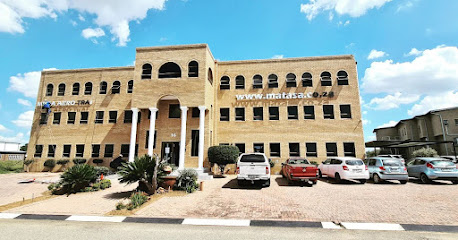
Mega Aero Training Academy (Pty) Ltd is a Aviation training institute establishment in Germiston, Gauteng, South Africa
Mega Aero Training Academy (Pty) Ltd – Aviation Training Institute, Germiston
Mega Aero Training Academy (MATA) is a specialised aviation training hub located in Germiston, Gauteng, South Africa. The organisation presents itself as a provider of comprehensive technical and aviation-specific programmes designed to support aspiring aircraft maintenance professionals, cabin crew entrants and those pursuing international qualification pathways. The overall emphasis is on structured training delivered by experienced instructors within facilities described as state‑of‑the‑art, with an aim to equip graduates for practical, industry-ready careers in the aviation sector.
The academy offers a broad slate of tailored training programmes that cover several important routes into the aviation industry. These include apprentice technical training designed to develop foundational skills for aspiring aircraft maintenance engineers, and advanced technical training intended to keep learners aligned with evolving industry trends and regulatory requirements. A pivotal feature of the academy’s offering is its international engagement, notably an International Placement Programme developed in collaboration with SR Technics. This pathway guides B1/B2 EASA students in South Africa toward practical training abroad and potential permanent employment opportunities with SR Technics Malta. Such collaborations reflect an emphasis on global exposure and practical progression beyond local study alone.
For those preparing for professional licencing and examinations, Mega Aero Training Academy acts as a Trade Test Centre with an emphasis on revision and examination preparation for the National Trade Test. The centre claims a strong pass rate and positions itself as a preferred location for revision and testing, underscoring the practical, outcome-focused nature of its offerings. Alongside these routes, MATA provides guidance for pursuing an EASA Part 66 Aircraft Maintenance Engineer Licence, including options for self-study or classroom-based study aimed at achieving an Aircraft Maintenance Engineer License (AMEL).
In addition to technical training, the academy runs a dedicated Cabin Crew Training programme. This course covers critical skills and procedures relevant to in-flight safety and passenger management, including emergency procedures, evacuation, aviation medicine, dangerous goods handling, firefighting, ditching and security awareness. This broad training mix suggests an intention to serve multiple stakeholder needs within aviation, from maintenance engineers to cabin crew and aviation professionals seeking international recognition or advanced technical qualifications.
Practical training facilities and instructor expertise are positioned as core strengths. The site highlights more than a dozen training tracks within the broader category of advanced aircraft technical instruction, with references to SACAA and EASA approved courses. The breadth of courses is complemented by a stated large catalogue of available courses and a track record of graduates who have progressed into job placements, as indicated by the site’s statistics and graduate-oriented messaging. The academy’s stated goal is to align learning with world trends in aviation technology and regulatory compliance.
From a customer experience perspective, visitors and former students frequently highlight positive impressions of the campus and staff. Client feedback on third-party review platforms includes remarks about well-organised programmes, excellent facilities and supportive instructors. Reviews repeatedly praise friendly reception and helpful staff, while several comments describe the college as providing high-quality instruction and best-in-class facilities compared with other aviation training providers in the region. These anecdotes contribute to a narrative of strong student support, practical focus and effective preparation for professional careers in aviation.
Typical engagement with the academy appears to follow a structured, programme-based flow: select a course or pathway, engage with the relevant department or learner support services, undergo curriculum and practical training, and proceed toward examinations, certifications or placements. The International Placement Programme and the Trade Test Centre denote clear milestones where learners can transition from classroom learning to practical, real-world application or licencing steps. This pathway-oriented approach should be considered by prospective students seeking transparent routes toward licensure and employment in the global aviation sector.
- Main services offered:
- Apprentice Technical Training
- International Placement Programme (in partnership with SR Technics)
- Trade Test Centre for revision and examination preparation
- EASA Part 66 guidance for B1/B2 licencing
- Advanced Technical Training (SACAA and EASA approved)
- Cabin Crew Training
- Typical job types and industries (as stated): aircraft maintenance engineering, cabin crew roles, and international aviation pathways through partner organisations.
- How requests usually work: choose a programme, follow the pathway to licencing or placement, engage with support services, and prepare for examinations or employment opportunities.
Practical tips for prospective students include verifying the latest course availability and assessment options on the academy’s site, noting the potential international placement opportunities, and preparing for examination or licencing steps by engaging with the Trade Test Centre and EASA guidance provisions. When planning a visit, candidates may wish to arrange timings that align with campus operational hours and to bring any required documentation for enrolment or assessment. While specific business hours and the full geographic scope of served areas are not explicitly published, the Germiston base is presented as the central hub for training activities in Gauteng, with a pathway to international opportunities through partner organisations.
Overall, Mega Aero Training Academy positions itself as a substantial aviation education provider in South Africa, combining technical excellence with international linkages, extensive course catalogue and a track record of graduate placements. For individuals seeking a career in aviation maintenance, cabin crew or international licencing routes, MATA offers a structured, instructor-led pathway within a recognised centre of aviation training in Germiston.
Germiston
Gauteng
South Africa
Sorry, no records were found. Please adjust your search criteria and try again.
Sorry, unable to load the Maps API.
Aviation Training Institute Services in Germiston, Gauteng
In Germiston, Gauteng, aviation training institutes offer a range of educational and practical pathways designed to support aspiring pilots, engineers, and aviation professionals. These centres operate within a framework that emphasises formal theory, simulated practice, and hands-on flying or maintenance experience, all aligned with South African aviation standards and regulatory requirements. Prospective students and industry entrants can expect a structured progression from foundational knowledge to more advanced, licenced qualifications depending on the pathway chosen.
Training providers typically deliver a blend of classroom instruction, simulator sessions, and practical training on aircraft or related systems. Core elements often include aviation theory covering navigation, meteorology, air law, human factors, and technical subjects relevant to the chosen discipline. Theory is usually complemented by practical workshops, where learners become familiar with documentation, maintenance practices, or flight preparation routines that mirror real-world operations.
For would-be pilots, the offering commonly spans initial licences through higher ratings and qualifications. This may involve private pilot licence (PPL) theory, aviation medical considerations, and flight instruction conducted by qualified instructors. As learners advance, programmes may cover commercial pilot licence (CPL) modules, instrument rating, and other endorsements. The emphasis is placed on accurate record-keeping, safety protocols, and the acquisition of competencies required for responsible flight operations in diverse weather and airspace conditions. Training venues often provide access to accredited simulators and dual-control aircraft to reinforce decision-making skills and procedural discipline.
Maintenance and engineering tracks are also prevalent, focusing on aircraft systems, electrical and mechanical fundamentals, aviation safety standards, and inspection routines. Students typically study maintenance planning, airworthiness documentation, and defect rectification under supervision. Practical sessions aim to cultivate meticulous attention to detail, adherence to procedures, and competence in using standard tools and equipment used within the industry. Regulatory compliance and safety management systems are common themes, reinforcing responsible professional practice.
Ground operations and air traffic management courses present another important facet. Learners may engage with topics such as airport operations, safety management, communication procedures, and navigation concepts essential for ground handling and airspace coordination. These programmes underscore the organisational aspects of aviation, alongside the technical skills needed to support efficient and safe operations at airports or in aviation services environments.
Practical considerations for prospective students include evaluating the institute’s facilities, instructor credentials, and the level of mentorship available. Access to modern classrooms, well-equipped simulators, and properly maintained training aircraft or apparatus is a common expectation. Begin-by-begin procedures, safety briefings, and assessment regimes should be transparent, with clear criteria for progression and licensing milestones. Although individual outcomes vary, many learners benefit from a structured timetable that balances theory, practical training, and examinations.
- Foundational theory and aviation maths
- Aircraft systems and maintenance theory
- Flight training or simulator-based piloting practice
- Atmospheric science, navigation, and flight planning
- Regulatory and safety compliance modules
When considering an aviation training institute in Germiston, it is prudent to confirm alignment with national aviation authorities and any regional accreditation. The typical journey involves enrolling in a programme, undergoing initial assessments, and following a defined sequence of supervised training, practical exercises, and formal assessments. Students should expect a focus on safety, professionalism, and operational readiness that prepares them for subsequent certifications or entry- level roles within the aviation sector. The environment in Germiston benefits from proximity to Johannesburg and major Gauteng airfields, offering potential access to local internship opportunities, guest lectures, and experiential learning elements that reflect the realities of South Africa’s vibrant aviation landscape.