Middelburg Airfield is a Regional airport establishment in Middelburg, Mpumalanga, South Africa
Middelburg Airfield (Middelburg Aero Club) – Regional Airport in Middelburg, Mpumalanga
The Middelburg airfield, located approximately six kilometres north of the Middelburg central business district, functions as a local, light-traffic airport administered by the Middelburg Aero Club (MAC). Originating from the early 1970s military base point, the field has evolved into a vibrant aviation hub that hosts a range of aviation activities and training facilities. The site is recognised for its varied fleet and active community of pilots, instructors and aviation enthusiasts.
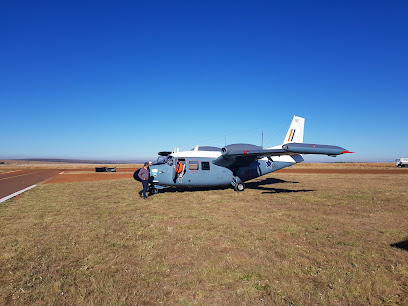
Key services at Middelburg Airfield include the operation of a well-stocked fuel bay offering AVGAS and Jet-A1, alongside the presence of three dedicated flight schools. The field accommodates a diverse fleet, ranging from gliders and microlights to general aviation aircraft, including Pipers and Cessnas, as well as crop sprayers and fighter jets. This mix supports a broad spectrum of aviation interests and practical training opportunities for different disciplines within the field.
Flight training and schooling are central to the airfield’s activity. Three training organisations operate from MAC, spanning glider instruction, microlight and fixed-wing training. The i-Flight School (i-flight.co.za) provides pilot courses for discovery flights, NPL, PPL and CPL; the Middelburg Gliding Club offers glider training; and Microflyers Flight School focuses on recreational pilot licences and other flight experiences. Together, these schools cover a wide range of aviation education for aspiring pilots and those seeking leisure or professional qualifications.
Facilitation for visiting pilots is straightforward and visitor-friendly. Fly-in visitors are welcomed, with the airfield providing clean toilet facilities and a simple landing-fee process. The fee is described as minimal and is collected on an honorary basis, with the landing charges posted on site. Payments are to be made to the Middelburg Aero Club account, supporting straightforward airmanship and community-driven management of the field.
Operational information includes the airfield's radio channel (Middelburg Radio at 127.95 MHz) and prominent runway details. The airfield offers two runways: a gravel runway 02/20 (4,413 x 82 ft / 1,345 x 25 m) that is not lighted, and a tarred runway 14/32 (5,905 x 48 ft / 1,800 x 15 m) that is lighted. This configuration supports a variety of aircraft types and planned flight activities, with night operations possible on the tarred runway. The elevation is 4,886 ft (1,489 m) MSL, and weather information is regularly updated on the site, with additional weather links accessible for pilots seeking current conditions before flights.
In addition to training and operating facilities, the airfield maintains an active and welcoming aviation community. The MAC leadership has historically driven events and initiatives aimed at growing engagement, including the hosting of airshows and community aviation events. The club has also focused on environmental and community improvements, such as planting trees around hangers, underscoring the field’s role as a community aviation hub rather than a purely transactional airfield.
Customer experience, as reflected in visitor feedback, emphasises safety, cleanliness and a well-kept environment. Reviews highlight clean ablutions, hot water, and strict safety regulations. Visitors intuitively sense a dedicated community that supports pilots and learners alike, with respondents noting the airfield as a friendly, well-organised space where experienced instructors are available to assist and guide. The overall sentiment is one of warmth, accessibility and a shared passion for aviation.
Practical tips for customers and visitors include noting the honorary landing-fee process, paying promptly via the MAC account, and preparing for a multi-use airfield that blends training with operational activity. For those seeking to train, the presence of three flight schools offers options to align training goals with the preferred flying style, whether gliding, microlight, or fixed-wing aviation. With both AVGAS and Jet-A1 available, the field supports a range of aircraft types and maintenance activities, making it worth planning a visit for potential pilots or aviation enthusiasts alike.
Operating hours are not extensively detailed on the source pages; however, the airfield’s role as a training hub and events venue implies regular activity aligned with flight-school timetables and MAC events. The airfield serves Middelburg and the surrounding Mpumalanga region, supporting regional aviation needs and fostering local aviation culture. For flight planning, pilots should consult MAC communications, use Middelburg Radio for surface traffic coordination, and review weather information updates before arrival.
In summary, Middelburg Airfield stands as a well-rounded regional aviation centre characterised by its diverse fleet, multiple flight schools, accessible visitor policy and a strong community ethos. It offers practical flying training, maintenance and fuel services, welcoming guest pilots to join a closely connected aviation community, while delivering a practical, user-friendly experience for recreational pilots, students and seasoned aviators alike.
Middelburg
Mpumalanga
South Africa
Sorry, no records were found. Please adjust your search criteria and try again.
Sorry, unable to load the Maps API.
Regional Airport Services in Middelburg, Mpumalanga
Regional airport facilities in Middelburg, Mpumalanga, cater to a range of aviation needs that extend beyond commercial passenger travel. Positioned to support nearby communities and businesses, these airfields typically balance modest passenger services with essential cargo handling, general aviation activity, and light aircraft operations. The emphasis is on practical access, safety, and efficiency for travellers, employers and residents who rely on air linkages for time-sensitive transport or specialised services.
Passengers using a regional airport in this region can expect a straightforward journey through facilities designed for quick processing and clarity. Common features include a small terminal or coordinated arrivals area, routine security screening, and basic passenger services. While service levels vary by site, the aim is to minimise queuing and delays, with clear signage and accessible information on flighttimings, ground transport options and local amenities. The emphasis is on convenience for short trips, often connecting the Mpumalanga interior with larger hub airports across the country.
In addition to passenger handling, regional airports typically support a spectrum of aviation activities. General aviation aircraft, including private planes and pilot-based training operations, frequently utilise these airstrips. Maintenance, refuelling, and storage arrangements are commonly available at or near the field, enabling efficient turnaround for light aircraft and charter movements. For business needs, regional airports may act as gateways for regional contractors, agricultural operations, tourism ventures, and emergency or medical transport services when required by the surrounding communities.
Cargo and freight services at smaller regional airports are usually limited compared with larger airports, but opportunities exist for local consignments, perishables and time-critical goods. Ground handling can include basic baggage and pallet handling, secure custody of goods, and guidance on compliant dispatch. The focus remains on reliable, predictable service for small to medium consignments rather than large-scale logistics operations.
Security, safety, and regulatory compliance form essential parts of daily operations. Standard measures cover access control, runway and apron safety, incident reporting, and adherence to civil aviation authority requirements. Air traffic services, when available, provide essential separation and guidance for aircraft movements, particularly during busy periods or adverse weather. Regular maintenance of navigation aids, communications equipment, and meteorological information supports safe and efficient operations.
For travellers and businesses planning a visit to the Middelburg area, practical considerations include transport connections to nearby towns and facilities, parking provisions, and accessibility for people with reduced mobility. Weather patterns in Mpumalanga can influence flight schedules, so flexibility in timing and awareness of potential delays is prudent. It is advisable to confirm the expected services offered on the day of travel, including terminal hours, ground transport options, and any limitations on passenger or cargo volumes.
Overall, regional airport services in Middelburg, Mpumalanga, are characterised by a pragmatic balance between essential passenger access, light aviation activity, and practical support for local economic and community needs. The model prioritises reliability, simplicity, and safety, while offering the flexibility required by a region with diverse travellers and a mix of commercial and private aviation interests.