Mossel Bay Aerodrome FAMO is a Airport establishment in Mossel Bay, Western Cape, South Africa
Mossel Bay Aerodrome FAMO – an overview of services and customer experience
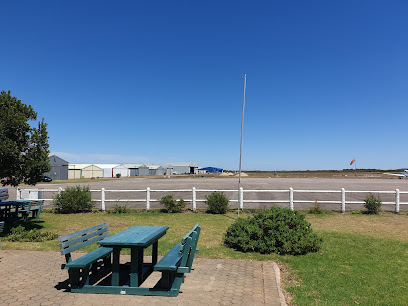
The Mossel Bay Aerodrome (FAMO) operates as a privately licensed airfield managed by the Mossel Bay Aero Club on behalf of the local municipality. It serves a small, community‑oriented aviation hub in the Western Cape, integrating general aviation, flight training and airfield operations with a friendly, member‑focused atmosphere. Reviews consistently describe a welcoming environment with approachable staff and a visible commitment to keeping the facility well maintained and functional for day‑to‑day aviation activities.
Key services and facilities at the airfield include a paved runway (RWY 28/10) and ground support that supports flying training, private aviation and related activities. The airfield also features a dining option, with several visitor comments highlighting the availability of food and a casual, convivial club atmosphere. Actual operating conditions emphasise high activity in flight training, making FAMO a busy training airfield despite its modest size. A notable operational consideration is the absence of runway lights, with night operations suspended until further notice, a factor that shapes planning for pilots and visiting crews.
The club and airfield information indicate a structured set of community‑driven resources. Notably, there is a dedicated airfield manager and an active committee overseeing safety, administration and events. The annual general meeting sets key fees for hangar space, plot occupation and security levies, along with membership categories that include ordinary, corporate, social and student options. This formal governance supports ongoing maintenance, security and investment in the field’s capabilities.
FAMO operates within a high‑density flying training area and requires two‑way radio communication for all aircraft. Visitors and pilots should be prepared to monitor the FAGG ATIS for prevailing airfield information. The airfield is also a registered parachute dropzone, with parachute operations typically occurring between sunrise and sunset, and advisory broadcasts on 124.2 MHz. A number of joining and airfield procedures exist, including unmanned field joining protocols, overhead entry at 2500 ft on FAGG QNH, and specific circuit altitudes for fixed‑wing and rotary‑wing traffic. These procedures prioritise safety and coordination, reflecting the airfield’s busy training profile.
Fuel services are available on site, with Avgas and Jet‑A1 offered at member and non‑member rates. The pricing structure is clearly published, with discounts and card‑based pricing available to members, and slightly higher rates for non‑members. A Mogas option is also listed. The combination of fuel availability and a strong on‑site community presence is frequently cited by visitors as contributing to a positive, convenient stopover for light aircraft and training sorties.
Customer experience at Mossel Bay Aerodrome is enhanced by a personable and responsive ground crew, and by the approachable leadership noted in visitor feedback. Multiple reviews commend the airport staff for their attentiveness and willingness to ensure that services operate smoothly. The presence of a small, friendly café‑style offering and the broader aviation community feel contribute to a welcoming ambience for pilots, learners and visitors alike.
Typical jobs and activities at the airfield cover general aviation operations, private flight instruction, flying club activities, maintenance coordination and airfield management. The airfield’s information packs also provide access to governance documents, rules and Notam summaries, which support pilots in planning and compliance. Together with the parachute operations and training activity, these elements indicate a diversified footprint that combines recreational flying with practical aviation training and community events.
- Main services offered: general aviation operations, flight training support, airfield management, fuel services (Avgas, Mogas, Jet‑A1), café/amenities, and club events.
- Typical job types: private piloting, flight instruction, ground operations, airfield management, parachute dropping coordination, and club administration.
- How requests usually work: pilots join the Mossel Bay Aero Club or operate as visiting pilots; they consult airfield information, monitor ATIS and 124.2 MHz for parachute activity, join the airfield via standard procedures, and coordinate with the airfield manager and club committee for arrangements such as hangar space, fuel purchases and participation in events.
Practical tips for customers planning a visit or using the airfield include checking the urgent notice about the lack of runway lights, planning for daylight operations, and reviewing the Notams and FAGG information booklets for the latest operational guidance. It is also sensible to verify current hangar and membership fees ahead of any long‑term stay, given the annual decisions recorded at the AGM. Flying courses or visits that coincide with airfield events, such as fly‑ins, offer an opportunity to experience the community dynamic of Mossel Bay and observe the strong camaraderie noted by regulars.
Location and accessibility are straightforward for those travelling from the N2 corridor, with the airfield positioned to serve Mossel Bay and surrounding Western Cape communities. The site emphasises neighbourliness and noise abatement, inviting visitors to respect residential areas and agricultural neighbours while enjoying the overall aviation‑friendly environment.
Mossel Bay
Western Cape
South Africa
Sorry, no records were found. Please adjust your search criteria and try again.
Sorry, unable to load the Maps API.
Airport Services in Mossel Bay, Western Cape
Situated on the southern coast of South Africa, Mossel Bay benefits from proximity to a number of aviation facilities that support both local travel and regional connectivity. The town itself hosts a small airfield and is closely associated with the nearby George Airport, which serves a broader range of commercial and general aviation needs. Visitors and residents can expect a concise suite of services designed to facilitate efficient travel, logistical support, and aviation operations in a relaxed regional setting.
Typical services at or around Mossel Bay include the handling of general aviation and small-scale commercial traffic. This encompasses motorised access to runways, light aircraft refuelling, basic maintenance and aircraft parkage, and ground handling tasks such as towing, parking coordination, and baggage handling where applicable. For travellers, the focus is often on convenient access, straightforward check-in processes for domestic routes, and connections to onward transport in the vicinity.
Charter flights and sightseeing excursions form an important facet of the local aviation economy. Operators commonly arrange short-notice or bespoke air services to popular coastal routes, neighbouring towns, and regional attractions. Such arrangements typically include aircraft provisioning, crew scheduling, and regulatory compliance managed by the operator, with the traveller engaging directly with the charter service rather than a large, enterprise-scale platform.
In addition to passenger movements, air transport in the Mossel Bay region commonly supports air taxi, air ambulance, and freight operations. These services enable rapid response missions, time-sensitive deliveries, and specialised transfers to and from the Western Cape. Freight handling tends to be modest in scale, focusing on secure loading, secure storage of small consignments, and efficient handover to ground services at connecting facilities.
Ground and ancillary services that benefit visitors and operators alike include fuel supply for aviation use, meteorological information, and basic security measures aligned with standard airport practices. Car parking facilities, rental car desks, and taxi options are frequently available in the vicinity, offering practical means to reach local lodgings, businesses, and tourism hotspots. Where present, amenities such as lounges or waiting areas emphasise comfort during short layovers or before boarding.
Operational considerations for travellers include awareness of the local aviation landscape and the reliance on nearby larger airports for certain services. While Mossel Bay’s own airfield supports essential activities, more extensive commercial routes are typically routed through George Airport, which offers a wider range of domestic flights, more extensive passenger facilities, and additional transport links. This arrangement is common in regional centres where a smaller aerodrome provides specialised support while a nearby city airport handles higher passenger volumes.
Practical planning guidance emphasises early preparation of travel documents for domestic aviation, awareness of weather patterns along the coast, and verification of how a chosen service operates—whether it is a scheduled flight, a charter arrangement, or a freight shipment. Passengers should allow ample time for ground procedures, baggage handling, and security checks where applicable, while businesses can anticipate coordinated ground support, routine maintenance checks, and compliant operational practices as part of the local aviation ecosystem.
In summary, airport services in Mossel Bay and its neighbouring aviation facilities focus on enabling efficient general aviation, charter and freight operations, with practical access to fuel, ground handling, and transport links. The regional arrangement delivers essential aviation support while deferring larger-scale commercial activity to adjacent facilities, offering travellers a pragmatic and balanced approach to air travel in the Western Cape.