Ntsu Drone Academy is a Aviation training institute establishment in Midrand, Gauteng, South Africa
NTSU Drone Academy: Aviation Training Institute in Midrand, Gauteng
Located in Midrand, Gauteng, Ntsu Drone Academy operates as Southern Africa’s drone specialist for compliance, training, technology and equipment. From its SACAA-accredited training academy to its end‑to‑end compliance services, the organisation presents a full spectrum of unmanned aviation solutions designed to support new entrants and established operators alike. The emphasis is on practical, industry‑driven outcomes that align with regulatory requirements and real‑world applications.
Main services offered by Ntsu Drone Academy fall into three core domains. First, Drone Compliance Services assist operators in securing essential licences and credentials, including the Air Service Licence (ASL) and the Remote Operator Certificate (UASOC/ROC). The service extends to management of SACAA‑required documentation such as Operations Manuals, Safety Management Systems, and complex permissions (BVLOS and Crop Spraying). This position the organisation as a practical partner for organisations seeking to operate legally and safely in the South African airspace.
Second, Drone Pilot Training is a SACAA‑accredited academy (ATO #1553) delivering training across multiple levels. Offerings range from RPL/RPC and BVLOS to instructor qualifications and Fixed Wing Ratings. The programme is designed to unlock career opportunities or enable business ventures in unmanned aviation, with emphasis on hands‑on learning and guidance from experienced industry professionals. For many clients, obtaining a formal certification is a critical step towards professional credibility and regulatory compliance.
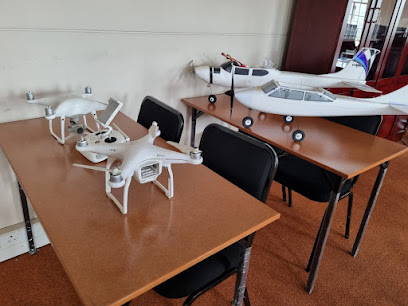
Third, Aviation Technologies represents Ntsu Drone Academy’s software and hardware capabilities. The organisation develops and supports digital aviation solutions, including paperless Drone Logbook systems and project‑based integrations. It also functions as an authorised reseller of DJI and CZI payloads, ensuring access to high‑performance, industry‑grade drone systems and a range of spare parts and accessories. The technology arm complements training and compliance by offering modern tools that streamline operations and data management.
In addition to training and compliance, Ntsu Drone Academy positions itself as a supplier of drone hardware. The “DJI Industry‑Grade Drones – Straight to You” proposition highlights nationwide delivery and expert guidance, reinforcing the company’s role as a turnkey partner for clients needing robust, reliable equipment and ongoing technical support. The combined focus on equipment, training and governance helps users move from initial procurement to compliant, capable operation.
Clients and sectors cited in the public materials suggest a broad range of real‑world use cases, including infrastructure inspection. Drones equipped with advanced imaging and sensors enable high‑resolution visuals and real‑time data for assessing critical assets such as bridges, power lines, pipelines and buildings. This practical capability reflects Ntsu Drone Academy’s emphasis on safety, efficiency and cost‑effectiveness in complex operating environments.
The academy also references collaboration with trusted industry partners in the broader aviation and public‑sector landscape. Notable names include SAPS, ESKOM, COGTA and UNISA, underscoring a track record of engagement with both public bodies and large organisations. Financial solutions are also highlighted, with a partner offering rental finance to simplify the acquisition of equipment necessary for compliant, scalable drone operations.
Typical jobs and practical considerations
Typical engagements span training contracts, licensing support, operations‑manual updates, mission planning, and ongoing compliance management. The drone solutions continuum—encompassing training, regulation, equipment and software—supports clients who pursue commercial operations, inspections, surveying or agricultural applications. The combination of documentation support, credentialing, and hands‑on flight instruction is designed to smooth the path from registration to regulated, confident practice in the field.
For customers planning a project, practical tips include starting with a clear objective for the drone operation, aligning training or compliance needs to the specific use case (for example, infrastructure inspection versus agricultural spraying), and coordinating with the academy on the appropriate accreditation and permissions. When possible, combining training with access to paperless logbook systems and a reputable equipment supplier can streamline delivery, record‑keeping and regulatory compliance.
Service delivery is framed as a nationwide capability, with delivery of equipment and technology solutions available to customers across South Africa. While the Midrand base anchors the organisation in Gauteng, the stated reach and the nature of the SaaS logbook and equipment partnerships imply support for clients outside the immediate area as their needs develop.
The experience for many visitors appears to be shaped by clear guidance through the licensing and compliance landscape, practical flight training, and access to enterprise‑grade drone technology. For organisations seeking to integrate drones into their operations—from regulatory adherence to hands‑on flight readiness—Ntsu Drone Academy presents a cohesive, industry‑focused portfolio anchored in practical outcomes, safety and regulatory compliance.
Midrand
Gauteng
South Africa
Sorry, no records were found. Please adjust your search criteria and try again.
Sorry, unable to load the Maps API.
Aviation Training Institute Services in Midrand, Gauteng
In Midrand, Gauteng, aviation training institutes provide a range of programmes designed to prepare aspiring pilots, aircraft technicians, and aviation professionals for the demands of the industry. These centres typically combine theoretical instruction with practical sessions, aiming to develop both the knowledge and the hands‑on skills required for safe and efficient operation in civil aviation. The midlands suburb offers convenient access to modern training facilities and close proximity to major airports and aerodromes, which supports a practical learning environment and alternative training routes.
Prospective students can expect a structured progression that mirrors industry standards and regulatory requirements. Instruction is usually delivered by experienced instructors with professional backgrounds in aviation. Instructional formats vary, often incorporating classroom theory, simulator hours, and supervised flight or maintenance practicals. The emphasis rests on safe procedures, decision making under pressure, and adherence to established aviation regulations. Training providers in this area commonly partner with local flight schools and accredited flight organisations to facilitate real‑world exposure while maintaining clear learning milestones.
Many programmes are designed to align with the standards set by the relevant aviation regulator. In South Africa, the South African Civil Aviation Authority (SACAA) governs licencing and airworthiness requirements, and institutes generally ensure that course outlines reflect those criteria. Students should anticipate an initial assessment to determine prior knowledge and fitness for training, followed by a structured timetable that blends theory with practical sessions. Depending on the track, learners may need to meet medical and language prerequisites, as well as age and security considerations, before progressing to more advanced stages.
Typical streams of study include piloting and aeronautical operations, aircraft maintenance engineering, air traffic services preparation, and safety management disciplines. Training pathways can lead to private, commercial, or airline transport licences, subject to meeting flight or maintenance hour requirements and satisfactory examinations. Where relevant, institutes offer guidance on regulatory inspections, aircraft handling procedures, emergency procedures, and standard operating practices. Accommodation of part‑time study, night classes, or blended learning is commonly available to accommodate working individuals or those balancing other commitments.
Facilities commonly found at aviation training institutes in Midrand include dedicated classrooms, aviation‑specific simulators, and access to on‑site or partnered aerodromes for practical experience. Some centres maintain metal‑working or avionics laboratories for maintenance training, while others focus more on theoretical instruction and computer‑based learning. The travel considerations for learners include reliable transport links, parking provisions, and proximity to accommodation for those attending full‑time programmes. Safety and regulatory compliance are typically emphasised throughout the course and reinforced through regular assessments and practical evaluations.
Potential students should consider several practical factors when selecting a programme. These include the duration of the course, the number of hours allocated to flight or maintenance practice, the quality and accessibility of simulators, the experience level of instructors, and the track record of graduate progression into employment or further study. Transparent information about indicative costs, funding options, and entry requirements is usually provided during initial enquiries, with the understanding that prices and schedules may vary by course type and intake. It is prudent to verify the accreditation status of the training provider and to inquire about any partnerships with airlines or industry bodies that may enhance employability upon completion.
- Pilot training across theory, simulators, and flight or practical sessions
- Aircraft maintenance engineering and technical training
- Ground handling, safety, and aviation operations courses
- Regulatory and compliance programmes aligned with SACAA standards
- Blended learning options, including classroom theory with online components