ProWings Africa is a Training centre establishment in Sandton, Gauteng, South Africa
ProWings Africa: Drone Training Centre in Sandton, Gauteng
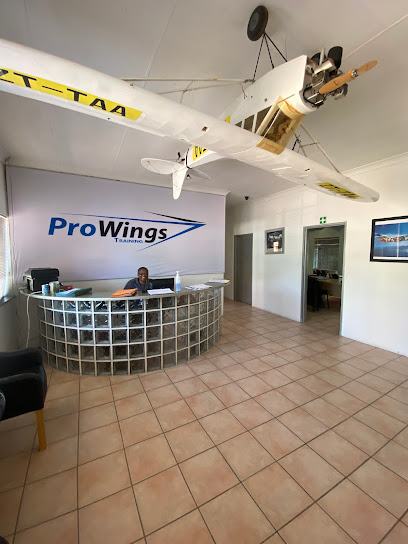
ProWings Africa operates as a specialised training centre and service provider for unmanned aircraft, offering SACAA-accredited courses and practical drone instruction from its Sandton base in Gauteng. The organisation presents itself as Africa’s leading voice in drone training, mentorship, and interoperability, with a focus on preparing operators for legal, professional, and safety-compliant operations across a range of sectors. The facility is housed in Sandton, a recognised business hub in northern Johannesburg, and its footprint extends through online learning and international collaborations that support learners and professionals seeking SACAA Remote Pilot Certification (RPC).
Core offerings centre on Remote Pilot Certificate (RPC) training, with programmes designed for both multi-rotor and fixed-wing platforms. The Multi-Rotor RPC course combines theory, flight training, and a formal skills test, structured to accommodate candidates with varying levels of aviation experience. Theory is delivered either online or in person, with two distinct pathways: a quick-paced option for licence holders (such as PPL/CPL/ATPL) and a longer programme for those without prior aviation experience. Flight training takes place at an SACAA-approved field in Hekpoort, Gauteng, and culminates in an assessment by a designated examiner. A similar framework governs the Fixed Wing RPC, with theory, flight training, and a practical skills test conducted at SACAA-approved facilities.
In addition to RPC, ProWings offers BVLOS (Beyond Visual Line of Sight) training and other SACAA-approved courses, including online theory components. The online training platform covers the breadth of services provided, allowing learners to progress at their own pace. Throughout the course journey, candidates complete online mock examinations to build familiarity with the RPC subject matter before undertaking the final SACAA examinations and practical assessments. The provider also highlights the importance of comprehensive preparation, including regulatory knowledge, airspace procedures, and flight planning, as part of a professional pathway for drone operation.
The customer experience associated with ProWings Africa, as reflected in visitor feedback, emphasises practical, hands-on training and responsive instruction. Reviews highlight dedicated staff across both online theory and practical training, with praise for clear guidance and practical support during the licensing process. While one reviewer notes variability in equipment and a tendency to stress the need for self-directed practice, the overall sentiment recognises ProWings as an effective route to obtaining the RPC and entering commercially viable drone work. The centre’s capacity to deliver training across travel and online formats is frequently mentioned as a strength, enabling learners beyond the immediate Sandton area to access the programme.
Typical roles and industries that align with the RPC training supplied by ProWings include commercial drone operators working in aerial surveying, agricultural monitoring, mining, environmental assessment, security, and wildlife management. The organisation also references its historical involvement in high-profile defence and conservation projects, underscoring a breadth of application for trained personnel. This background is presented to reassure prospective learners about the professionalism and real‑world relevance of the curriculum.
Request workflows at ProWings Africa are described in terms of structured course dates, online and in-person delivery options, and clear pathways to the SACAA RPC examination. Prospective students can view course dates and obtain quotes through the site, with payment options highlighted for most courses. The Sandton location is complemented by a broader regional reach, with related operations and collaborations noted in other African countries, reflecting the organisation’s ambition to support cross-border drone operations and regulatory compliance.
- Main services offered: SACAA‑accredited RPC training (Multi-Rotor and Fixed Wing), BVLOS rating, online theory courses, flight training at SACAA-approved fields, and a formal skills test leading to the RPC.
- Typical job types: professional drone pilots for aerial surveying, agriculture, environmental monitoring, security, mining, and wildlife conservation; opportunities in inspection, photography, and data collection within regulated frameworks.
- How requests usually work: review course offerings and dates, select online or in‑person study paths, complete online mock examinations, undertake flight training, and proceed to the SACAA exam for certification. Payments are available across courses, with quotes obtainable via the website.
Practical tips for customers include: start with the RPC pathway that matches prior aviation experience; consider the accelerated route if holding an existing pilot licence; utilise online theory modules to pace learning before hands-on flight training; and plan practice flights ahead of the SACAA skills test to build familiarity with equipment and procedures. The Sandton address is 89 Bessemer Street, with an additional practical flight facility listed in Hekpoort for hands-on training. Prospective learners should verify current course dates and fees on the site and prepare for regulatory essentials such as medical checks, restricted radio, and other prerequisites referenced in the RPC framework.
Overall, ProWings Africa presents a credible route for individuals and organisations seeking SACAA‑compliant drone certification, backed by a history of regional activity and testimonials from students who praise the practical value and accessibility of the training.
Sandton
Gauteng
South Africa
Sorry, no records were found. Please adjust your search criteria and try again.
Sorry, unable to load the Maps API.
Training Centre Services in Sandton, Gauteng
In the bustling business district of Sandton, Gauteng, training centres serve organisations and individuals seeking practical instruction, professional development, and skills refreshment. The typical offering emphasises hands-on learning, real-world application, and flexible delivery to fit busy work schedules. Clients can expect a calm learning environment equipped to support focused study, group collaboration, and focused coaching sessions.
Most training centres in Sandton provide a mix of short workshops, longer certificate or diploma-style programmes, and customised in-house training for corporate clients. The programmes cover a broad spectrum of topics, from practical vocational skills and information technology competencies to leadership, communication, project management, and customer service. Where appropriate, programmes combine theory with practical exercises, simulations, case studies, and critique to enhance retention and applicability in the workplace.
As a hub for professional development, Sandton centres often prioritise up-to-date content and industry relevance. In addition to core subjects, many facilities offer supplementary services such as assessment and feedback sessions, progress tracking, and post-course support to help learners transfer new knowledge into day-to-day work. The emphasis is typically on transferable skills—problem-solving, teamwork, and effective communication—alongside function-specific training.
Practical considerations play a significant role in selecting a venue. Accessibility is important, with central locations offering convenient transport links and nearby amenities. For in-house programmes, some centres are able to tailor schedules to accommodate shift patterns and peak business cycles. Facilities may include well-lit training rooms, modern presentation equipment, breakout spaces for group work, and quiet zones for individual study or assessment preparation.
Security, parking, and visitor management are common concerns in the Sandton area. Reputable training centres often provide clear guidance on access procedures, on-site refreshments, and comfortable seating to support long sessions. Cleanliness, air quality, and appropriate heating or cooling contribute to a conducive learning atmosphere. For learners with specific needs, centres may offer reasonable adjustments or dedicated support services to promote inclusive participation.
Booking and administration in Sandton centres are typically streamlined through standard processes. Prospective learners or organisations can expect clear information on course outlines, dates, duration, and expected outcomes. Registration usually involves selecting a course, confirming the number of participants, and arranging payment terms. On the day, participants are welcomed by competent staff, receive course materials, and follow a structured programme with opportunities for questions, practical application, and assessment where relevant.
A common feature across many Sandton centres is the availability of follow-up materials and optional additional sessions. Learners may access supplementary reading, practice tasks, or refresher modules to reinforce learning after the initial programme ends. Some providers also offer advisory services to help organisations identify skill gaps, design development plans, and plan future training investments aligned with business goals.
- Short workshops and seminars
- Longer accredited or non-accredited programmes
- Customised in-house training for teams
- Professional development and leadership courses
- Technical and software skills training
- Assessment, feedback, and progress reporting
Overall, training centres in Sandton deliver practical, outcome-oriented learning designed to translate into improved performance at work. The focus remains on real-world relevance, flexible delivery, and supportive environments that help learners gain confidence, apply new skills effectively, and contribute to organisational success.