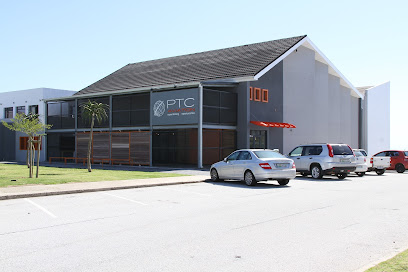
PTC Aviation is a Aviation training institute establishment in Gqeberha, Eastern Cape, South Africa
PTC Aviation — Aviation Training Institute in Gqeberha, Eastern Cape
PTC Aviation operates as a dedicated aviation training provider with a focus on preparing pilots for line-ready roles in modern jet transport. The organisation presents a portfolio centred on Boeing 737NG and Airbus A320 training, aiming to smooth the transition of newly qualified commercial pilots into the right-hand seats of jet airliners. The programme emphasis is on practical airline readiness, using a blend of theory, simulator work, and structured progression through type ratings and MCC (Multi-Ccrew Cooperations) standards.
Key offerings span several interconnected training streams. A core element is Airline Pilot Standard (APS) MCC, alongside type rating courses for the Boeing 737NG and Airbus A320 families. Modular MCC and JOC (Job Oriented Course) programmes form part of the curriculum, complemented by Instructor development schemes ranging from ab initio through to TRI (Type Rating Instructor) capabilities. Additionally, PTC provides specialised airline training programmes aligned with Part 135 and Part 121 operations, addressing the broader needs of professional pilots and airline procedures.
Training facilities are described as modern, with instruction delivered by skilled instructors and support staff. The organisation positions itself as a long-standing leader in airline pilot training through product development and next-generation delivery methods. The stated mission emphasises leading the way in commercial aviation training through integrated, innovative solutions with a strong focus on aviation safety. The use of the latest technology is highlighted as part of a strategy to expand global reach and improve access to aviation knowledge.
Main Services Offered
- Airbus Training
- Boeing Training
- Flight Instructor Development (from Ab Initio to TRI)
- Modular MCC and JOC Programmes
- APS MCC and Airline-Type Ratings for Boeing B737NG and Airbus A320
- Specialised Airline Training for Part 135 and Part 121 operations
- DGCA-related Jet Induction Training and Type Rating (for India DGCA licence holders) via blended learning
- Customisable line operations reactivation packages (A320 / B737NG)
Typical job pathways referenced in the materials include roles as first officers on jet airliners, supported by type-rated qualifications and MCC competencies. The training is designed to bridge gaps between single-pilot operations and multi-crew airline operations, with explicit attention given to crew resource management, CRM, TEM (threat and error management), and multi-crew coordination.
How Requests and Training Pathways Work
PTC Aviation presents a structured progression for aspiring airline pilots. Initial assessments and admissions lead into phase-based training, including distance learning and classroom workshops, followed by practical flight deck and simulator sessions. For certain programmes, such as India DGCA-type rating transfers, a blended approach combines self-study, distance learning, and on-site instruction, culminating in skills tests and documentation necessary to endorse the licence with a type rating.
The DGCA-focused courses explicitly cover theoretical knowledge, practical aeroplane systems training, and simulator work, with a clear pathway from theory through to the final skills tests conducted by designated examiners. For line operations reactivation, a Customisable Package is available to assist pilots returning to active flying after a hiatus, reflecting an adaptable response to industry conditions.
Location and Reach
PTC Aviation operates premises in Port Elizabeth (Gqeberha) and Johannesburg, positioning itself as a facility capable of supporting learners across Eastern Cape and Gauteng, with the potential for international programmes such as DGCA preparation. The organisation stresses a global reach through modern training delivery technologies and accessible course design.
Practical Tips for Customers
- Consider the blended-learning approach when planning, especially for DGCA and type-rating courses, to maximise flexibility and reduce on-site time.
- Review the specific prerequisites and progression for each programme (e.g., MCC, JOC, or type-rating tracks) to align expectations with licensing and airline-entry requirements.
- Evaluate facility amenities and simulator availability when choosing a training partner, noting reviews that highlight both positive training environments and potential administrative delays.
- For those considering international licence transfers or revalidation, verify documentation processes and visa-related timelines, as these factors can influence programme duration and cost.
- Plan for post-conversion or reactivation training if returning to line operations after a break, using the tailored line-ops reactivation package to refresh procedures and compliance standards.
Visitor Experience and Community Feedback
Reviews reflect a mix of opinions. Several visitors praise PTC Aviation for its friendly atmosphere, professional staff, and high-quality facilities, including notable praise for instructors and the overall learning environment. Some feedback highlights the importance of clear communication and reliable administration, with a few concerns raised about visa handling, immigration timelines, and the balance between self-study and instructor-led teaching. Prospective students are encouraged to weigh these experiences alongside the official course outlines when forming expectations.
Business Hours and Local Context
Official hours are not consistently stated in the public materials. The centre’s presence across Port Elizabeth (Gqeberha) and Johannesburg positions it to serve a broad regional audience within South Africa, with international elements through DGCA-focused courses. Local expectations may benefit from checking with the institute for current visit and registration timings prior to attendance.
Overall, PTC Aviation presents a comprehensive suite of airline-centric training options, framed by a modern instructional approach and a focus on aviation safety. The organisation aims to equip pilots with the competencies, knowledge, and attitudes required to secure airline employment and operate safely and efficiently in line with industry standards.
Gqeberha
Eastern Cape
South Africa
Sorry, no records were found. Please adjust your search criteria and try again.
Sorry, unable to load the Maps API.
Aviation Training Institute Services in Gqeberha, Eastern Cape
In Gqeberha, Eastern Cape, aviation training institutes provide a range of programmes designed to develop competent pilots, air traffic personnel, and aviation professionals. The offerings typically combine classroom theory with hands‑on practice, ensuring learners acquire both the knowledge and the practical skills essential for employment in the civil aviation sector or related industries. Institutions in this region often cater to local demand while aligning with national regulatory standards, fostering safe and professional aviation practice across South Africa.
The core services usually span entry‑level theory and vocational training. Theoretical courses cover subjects such as aviation meteorology, navigation, aircraft systems, flight planning, aviation law, and human factors. These components form the foundation for more advanced qualifications and enable students to progress through recognised licensing tracks at their own pace, subject to meeting prerequisites and assessment milestones.
Practical flight training forms a central element of the offering. Learners typically engage with flight schools using a framework that includes dual instruction, solo flight time, and supervised solo hours. Training aircraft sourced by the institutes are selected to provide reliable handling characteristics and appropriate performance for early flight phases, followed by more complex operations as the trainee progresses. Flight training is complemented by simulator sessions where possible, allowing the practice of procedures, radio communication, emergency scenarios, and instrument‑flying techniques in a controlled environment before on‑aircraft training continues.
Ground school and exam preparation constitute another key service. Ground school supports the consolidation of theoretical knowledge through structured study plans, practice assessments, and review sessions. Preparation for licensing examinations involves mock tests, syllabus alignment, and guidance on the regulatory framework governing South African aviation. This stage is important for building confidence and improving pass rates within the constraints of available examination windows.
Medical assessment and regulatory compliance are essential considerations. Prospective students often undergo medical evaluations to verify fitness for flight duties, while licensing pathways require adherence to the Civil Aviation Authority's (CAA) requirements. Training providers typically supply information on the documentation needed for licensing applications, time allowances for theory and flight hours, and any prerequisites related to age, language proficiency, or medical status.
Career‑focused short courses and specialised programmes are commonly offered to attract a broader audience. Examples may include aviation operations, safety management, cabin crew training, or aviation customer service. Such courses emphasise practical skills, industry standards, and the responsibilities associated with working in busy aviation environments. Institutes may also host industry guest speakers, career talks, and networking events to support progression into pilot roles or related aviation occupations.
Practical considerations for prospective learners in Gqeberha include access to appropriate training sites, proximity to municipal airports, and the availability of flight instructors with documented experience. Environmentally and logistically, the Eastern Cape presents weather patterns and seasonal conditions that influence planning and scheduling. Prospective students are advised to discuss training timelines, block booking options, and funding or financing arrangements with the provider, as these factors significantly impact total duration and cost.
Ultimately, aviation training institutes in Gqeberha aim to equip learners with a solid theoretical base, practical flight proficiency, and a clear understanding of regulatory expectations. By combining classroom study, flight and simulator sessions, and dedicated review, these centres support individuals pursuing careers in aviation or related disciplines within South Africa’s vibrant Eastern Cape region.