Rand Model Aeronautical Club is a Airstrip establishment in Johannesburg South, Gauteng, South Africa
Rand Model Aeronautical Club — Airstrip in Johannesburg South
Situated in the southern reaches of Johannesburg, Rand Model Aeronautical Club (RMAC) sits in a historic and well-regarded position within South Africa’s radio controlled flying community. With a presence dating back to the 1930s and a long-standing base at its current site since the 1970s, RMAC is one of the country’s oldest RC aviation clubs. The organisation is nestled between notable local landmarks, including the Klipriviersberg Nature Reserve and the Eye of Africa Golf and Residential Estate, and is easily accessible from the southern suburbs. The club’s home is at the corner of Swartkoppies Road and Klipriver Drive in Alberton, just across the Mall of the South shopping centre, placing it within reach of enthusiasts across Johannesburg South and surrounding areas.
RMAC operates as a family-friendly centre for all aspects of radio controlled aviation. The club emphasises a welcoming atmosphere, with facilities designed to accommodate a broad spectrum of enthusiasts—from beginners to seasoned flyers. Members reportedly enjoy wide open spaces and a well-maintained environment that supports a range of activities. The organisation describes itself as strong and vibrant, with a goal of growing interest in the hobby across South Africa while offering a supportive community where newcomers and experienced fliers can learn and practise together.
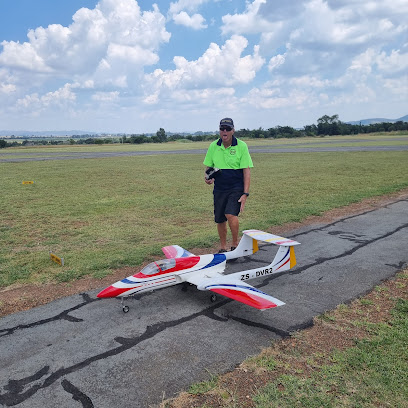
In terms of the activities and services offered, RMAC provides access to the essential elements of RC aviation. The site highlights a commitment to supporting the hobby in all its facets, including the operation of multiple RC disciplines. Review commentary from visitors underscores the club as a place where both hobbyists and occasional flyers can find enjoyment, with particular praise for the presence of competent instructors who support drones, fixed-wing RC aircraft, and helicopters. This blend of hands-on instruction and niche capabilities appears to be a core strength of the RMAC experience.
The club’s social and competitive calendar features a range of events designed to engage members throughout the year. For 2026, the organisation lists a programme that includes Pylon Racing, a General Meeting (AGM), and a dedicated Glider Day, among other activities. Such events reflect RMAC’s dual emphasis on competitive sport and community engagement, offering opportunities for members to showcase skills, learn from peers, and enjoy the social aspects of the hobby in a structured setting. The events are typically anticipated by the membership and publicised as part of RMAC’s ongoing activity schedule.
Customer experiences shared by visitors paint a picture of a well-maintained and friendly environment. Several reviewers mention affordable landing fees and membership prices, suggesting RMAC aims to keep participation approachable for a broad audience. The sentiment of the feedback highlights a cooperative culture where “everyone helps one another,” and where instructors are described as capable and approachable. Such comments contribute to an overall impression of RMAC as a supportive community that values safety, mentorship, and shared enjoyment of radio controlled aviation.
Typical service offerings inferred from the content include access to flying facilities suitable for a variety of RC disciplines, practical instruction for newcomers and those seeking to expand their capabilities, and organised events that cater to both competitive and recreational interests. The presence of large-scale and varied aircraft in visitor reviews suggests the community accommodates multiple classes of RC models, from drones to larger, traditional RC planes and helicopters, within a controlled environment.
Practical tips for visitors and prospective members:
- Check the RMAC events calendar in advance to plan attendance around Pylon Racing, Glider Day, and AGM dates.
- Expect to encounter friendly, experienced volunteers and instructors who can help with basic piloting and safety guidance for drones, RC aircraft, and helicopters.
- Be prepared for a family-friendly setting with a focus on community, safety, and shared learning.
- Verify accessibility from the southern Johannesburg region and consider proximity to major local landmarks when organising visits.
- Take advantage of the affordable entry and membership options as indicated by visitor testimonials to maximise value from participation.
RMAC positions itself as a long-standing hub for radio controlled aviation in the Johannesburg area, offering practical facilities, a supportive community, and regular events that bring together hobbyists of varying experience. For prospective visitors seeking a sociable and instructional RC flying environment in Gauteng, RMAC presents itself as a notable point of reference within the Airstrip category.
Johannesburg South
Gauteng
South Africa
Sorry, no records were found. Please adjust your search criteria and try again.
Sorry, unable to load the Maps API.
Airstrip Services in Johannesburg South, Gauteng
Airstrip operations in Johannesburg South encompass a range of aviation activities designed to support both commercial and private needs within Gauteng. These services are typically grounded in the practical realities of a dense metropolitan area, where airstrips serve as critical access points for business travel, emergency response, and specialised operations. The atmosphere surrounding these facilities emphasises safety, reliability, and adherence to local aviation regulations while balancing the demands of a busy urban landscape.
For passengers, airstrip services often translate into efficient point-to-point transfers that complement larger regional hubs. This may include charter flights that provide flexible scheduling, secure handling of luggage, and discreet arrival and departure options. In many cases, routes are designed to minimise travel time between business centres, private estates, or remote sites where rapid access is valued. The experience tends to focus on professional atmosphere, timely coordination, and straightforward check-in procedures suited to executive travel.
Beyond passenger transfers, airstrips in the area frequently support a spectrum of ancillary activities. Medical and emergency response services are a common feature, with airstrips equipped or capable of accommodating air ambulances and rapid patient transport when needed. Aerial surveying, photography, and surveying work are also typical uses, employing aircraft and crews trained to conduct precise operations over urban or peri-urban terrain. Light cargo and courier movements may be accommodated, contingent on the airstrip’s infrastructure and regulatory clearances.
Operational arrangements at these facilities are shaped by local air traffic control requirements and safety guidelines. Operators generally focus on clear communication with authority bodies, standard operating procedures, and robust maintenance regimes for aircraft and ground equipment. Paved runways or well-maintained grass strips, appropriate lighting, and turn-off areas are common features that enable safe take-offs and landings under varied weather conditions. Ground handling, refuelling procedures, and security measures are designed to support efficient turnaround while protecting both personnel and assets.
Practical considerations for clients and users include accessibility, proximity to business districts, and the ease of coordinating with support services on the ground. Arrangements often prioritise private handling arrangements, convenient parking or drop-off points, and clear guidance on what is required for security checks or passenger screening. Weather considerations naturally influence scheduling, with delays a possibility during adverse conditions. Clients may also need to account for regulatory documentation, flight timing buffers, and potential restrictions related to peak traffic periods or special events in the city.
Anyone engaging airstrip services in Johannesburg South should anticipate a professional environment that emphasises punctuality, privacy, and safety. It is common for operators to provide desks or liaison points that can assist with coordinating ground services, baggage handling, and ground transport. However, the exact scope of available services and the level of in-house support can vary between facilities. Prospective users are encouraged to verify operating hours, access rules, and any required pré-flight informationwell in advance to ensure smooth arrangements on the day of travel or mission.
- Typical service categories include passenger transfers, on-demand charters, aerial work (surveying, photography), and emergency response support.
- Key considerations involve safety compliance, weather impact, ground handling efficiency, and security procedures.