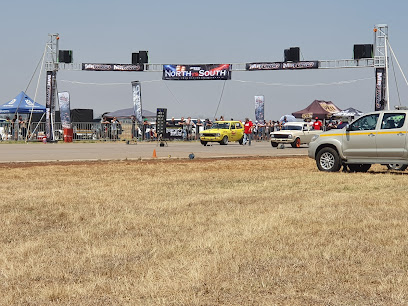
Rhino Park Airfield is a Airstrip establishment in Donkerhoek, Gauteng, South Africa
Donkerhoek
Gauteng
South Africa
Sorry, no records were found. Please adjust your search criteria and try again.
Sorry, unable to load the Maps API.
Airstrip Services in Donkerhoek, Gauteng
In Donkerhoek, Gauteng, airstrip facilities provide a range of aviation-related services designed to support small to mid-size aircraft operations. This includes the use of a private or semi-private airstrip for landing and take-off, as well as the accompanying infrastructure and support that enable efficient and safer air activities in the region. The emphasis is on practical access, local knowledge, and streamlined handling suitable for regular flights, specialised missions, and ad hoc aviation needs.
Typical offerings at a local airstrip in this area cover airside operations and ground services aimed at ensuring smooth workflow for pilots and operators. These can include secure parking or hangar space, basic maintenance or access to maintenance partnerships, and facilities for refuelling or arranging fuel through authorised providers. On the ground, pilots may find weather reporting, navigation aids, and communications protocols that align with regional airspace procedures. For those conducting aerial work, the airstrip can accommodate activities such as survey flights, agricultural applications, or charter movements, subject to the appropriate approvals and safety practices.
Passengers and crew travelling to or from the Donkerhoek airstrip can expect a straightforward arrival experience. The layout typically supports efficient manoeuvring on the apron, with clear signage and ground handling guidance. Security measures are commonly implemented to protect aircraft, unused equipment, and stored valuables, while simple facilities such as briefing areas, restrooms, and basic canteen provisions may be available for short visits. The scale of amenities reflects the community-focused nature of the operation and its positioning within Gauteng’s busy air and road networks.
Operational processes at airstrips of this type emphasise safety, compliance, and reliability. Before a flight, operators are likely to review local airspace restrictions, weather conditions, and any temporary flight rules that may affect the route. On arrival, landing slots (where applicable) and ground handling arrangements are coordinated to minimise delays. Post-landing, routines may include securing the aircraft, coordinating with ground staff for refuelling or maintenance checks, and organising onward transport if required. The aim is to deliver a predictable, professional experience that supports the practical needs of owners, pilots, and local enterprises relying on air connectivity.
Practical considerations for users of airstrip services in Donkerhoek include ensuring appropriate permissions for landings and overflights, especially in areas subject to regulatory oversight. Prospective users should verify the availability of essential services such as fuel, maintenance options, and security provisions, as well as the accessibility of the airstrip during times of adverse weather or limited staffing. It is also prudent to discuss any timing constraints, noise considerations, and local community expectations when planning operations that involve the airstrip. Weather patterns in Gauteng can influence flight schedules, so flexible planning and timely updates are advantageous for efficient utilisation of the facility.
While the specifics may vary between individual airstrips in the Donkerhoek region, the overarching model centres on enabling controlled, ground-supported aviation activities within a community setting. Operators, owners, and visiting crews can expect practical, cost-conscious services designed to support routine flights, occasional charters, and specialised aerial work, without assuming elaborate platform features or vendor arrangements. The result is a useful aviation local to Gauteng that complements broader transport and business operations in the area.
- Landing and take-off support on a private or semi-private airstrip
- Ground handling, parking, and hangar considerations
- Access to basic maintenance, refuelling, and proximity to skilled services
- Weather briefing, communications, and regulatory awareness specific to the region