Rocket Air Ambulance (Northern Cape) is a Ambulance service establishment in Kimberley, Northern Cape, South Africa
Rocket Air Ambulance (Northern Cape) – Service Overview
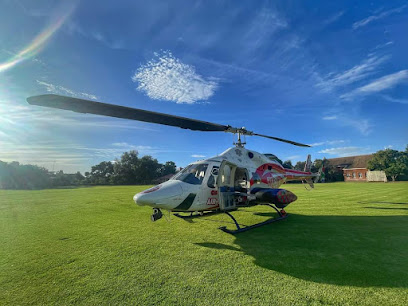
Rocket Air Ambulance, operating in Kimberley and the broader Northern Cape region, is presented as a leading independent Emergency Medical Services (EMS), Helicopter Air Ambulance (HEMS) and air rescue provider in South Africa. Described as patient-centric, the organisation emphasises that patient safety and interests are sacrosanct across its operations. The service is characterised by an in-house Emergency Management Centre, a cadre of world-class pilots, a professional aeromedical team, and an extensive authorised road ambulance network, all available around the clock.
The organisation highlights four core pillars that shape its competitive advantage: a culture built on courage and ethical practice; a skilled, inclusive workforce; a substantial asset base—most notably Africa’s largest twin-engine helicopter ambulance fleet as part of the Henley Group Holdings; and a commitment to disruptive innovation through technology and innovative engagement platforms. This positioning suggests a focus on rapid, reliable inter-facility transfers as well as on-site emergency medical response where aviation is beneficial.
Main services offered
- ROCKET Air Ambulance – A 24/7 helicopter emergency medical service operating across South Africa, equipped with ICU-capable Bell 222/230 aircraft and a highly trained aeromedical crew. The service is designed to respond swiftly to emergencies and to support time-sensitive medical transport.
- ROCKET Rescue – A specialised emergency air rescue offering for South Africa’s mining operations, construction sites, and outdoor industries. This service targets high-risk environments where rapid extraction and medical care are essential.
- ROCKET Connect (Family) – A consumer-facing Emergency Medical Solution through a subscription model and mobile app, providing direct access to ROCKET’s services nationwide and bridging gaps to specialised care for families.
- ROCKET Connect Corporate – A tailored EMS/HEMS solution for industry and small to medium enterprises, covering staff on duty with comprehensive medical transport and emergency coverage.
- ROCKET Solutions – Focused on developing innovative platforms and services, including training for emergency management centres and dispatchers, to improve coordination and clinical care during emergencies.
- ROCKET Connect Tourism Solution – A tourism-specific EMS/HEMS package to cover guests, employees and accompanying family members in tourism settings.
In addition, the organisation underlines its in-house capabilities and access to a centralised emergency management centre, enabling a direct “voice on the line” from initial contact through to arrival at the patient. The fleet is noted for its compliance credentials and for night operations capabilities (NVG) as part of industry leadership.
Typical job types and industries
ROCKET positions its services as applicable to high-stakes sectors. Notably, it lists mining groups and large corporates as key clients, reflecting its air rescue and air medical transport role in critical industry environments. The tourism and outdoor sectors are also addressed via dedicated ROCKET Connect Tourism, indicating an orientation towards guest safety and on-site medical coverage for visitors and staff. The emphasis on corporate and industrial solutions suggests a focus on inter-facility transfers, on-site emergency response, and staff safety programmes.
How requests usually work
ROCKET describes a streamlined process managed by its Emergency Management Centre. Requests are initiated through the 24/7 centre, which coordinates the dispatch of either air or road transport depending on the severity and flight criteria. The end-to-end management positions the provider as the primary point of contact for emergencies, from initial call to the patient’s arrival at suitable care facilities. The organisation also highlights a subscription pathway (ROCKET Connect) for ongoing access to emergency services.
Credentials and safeguard measures
The company asserts compliance leadership through BARS accreditation and SACAA compliance, underscoring adherence to regulatory and safety standards. It notes a track record of serving mining corporates and medical aids and highlights an award: the Litson & Associates Gold Standard Safety Award for rotary-wing operators. An in-house maintenance capability and long-standing experience in the field further reinforce the emphasis on safety, maintenance, and reliability.
Practical tips for customers
- Consider subscribing to ROCKET Connect for rapid, direct access to emergency services and potentially streamlined arrangements during urgent situations.
- Understand that ROCKET operates 24/7, with a fleet capable of critical care transport and night operations, which can be essential for time-critical cases in remote areas.
- Identify whether the need is on-site rescue (mines, outdoor sites) or inter-facility transfer, so the appropriate ROCKET service (Air Ambulance, Rescue, Tourism Solution) can be engaged.
- In areas served, including Kimberley and the broader Northern Cape, prepare essential patient information for prompt triage and dispatch, such as location, accessibility, and any known medical histories.
- Be aware of the regulatory credentials and safety standards that ROCKET advertises, which can inform confidence in the operational readiness and crew expertise during emergencies.
ROCKET’s presence in Kimberley and the Northern Cape aligns with a broader South African coverage aimed at rapid emergency response, advanced aeromedical care, and industry-focused rescue capabilities. The organisation’s focus on patient-centric care, combined with a substantial fleet and central management hub, positions it as a notable option for urgent medical transport and on-site emergency response in the region.
Kimberley
Northern Cape
South Africa
Sorry, no records were found. Please adjust your search criteria and try again.
Sorry, unable to load the Maps API.
Ambulance Services in Kimberley, Northern Cape
In Kimberley, situated in the arid expanse of the Northern Cape, ambulance services play a crucial role in medical response and patient transport. These services are designed to address urgent medical emergencies, ongoing clinical needs, and inter-hospital transfers, with a focus on rapid assessment, stabilisation, and safe conveyance to appropriate healthcare facilities. The arrangements typically involve a combination of land ambulances staffed by trained emergency medical personnel and, when necessary, air or rapid response capabilities, subject to local availability and weather conditions.
Emergency medical responses cover a broad spectrum of situations. Typical scenarios include sudden injuries from road traffic incidents, falls, heart attacks, strokes, and acute illnesses such as severe breathing difficulties or infections requiring urgent attention. Responders generally perform a rapid life-support assessment at the scene, administer essential medications or pain relief where appropriate, and determine the most suitable destination hospital based on the patient’s condition and the capacity of local facilities. The aim is to stabilise the patient and ensure a continuous chain of care from the point of contact to definitive treatment.
Patient transport services form another important pillar. These involve the non-emergency transfer of patients between clinics, hospitals, or rehabilitation centres. Such transport is typically arranged when a patient needs medical monitoring or assistance during a planned journey, though not in immediate life-threatening danger. Trained crews may provide assistance with seating, monitoring of vital signs, and the administration of prescribed medications during transit. The emphasis is on safety, comfort, and continuity of care throughout the journey.
Specialist and extended capabilities may be available to address particular clinical needs. Neonatal and paediatric care considerations prioritise appropriate equipment and skilled personnel to manage infants and children with acute conditions. Geriatric and palliative cases may require careful handling and attention to equipment compatibility, communication with family members, and a clear handover to hospital staff upon arrival. In some instances, responders can coordinate with receiving facilities to ensure specialised units or departments are prepared for the patient’s arrival.
- Standby and event support: Ambulance services often dispatch units for public events, sports matches, or large gatherings to ensure medical teams are on hand should injuries or illnesses arise.
- Community and resilience roles: In certain communities, ambulance teams may collaborate with local health authorities to deliver health surveillance, first aid training, and preventive advice during routine outreach activities.
- Inter-facility transfers: Timely moves between medical facilities are arranged when clinical assessments indicate the need for advanced imaging, specialised surgery, or higher levels of care not available at the originating facility.
Practical considerations for residents and visitors include understanding how to access help quickly. In many situations, dialling the emergency number provides a direct line to dispatchers who triage the call, allocate a suitable response unit, and provide essential safety instructions while help is on the way. It is useful to be prepared with clear location details, including street names, landmark references, and any potential access restrictions, to facilitate a faster response. Weather and terrain can influence response times in the Northern Cape, particularly during extreme heat or dust storms, underscoring the importance of timely action and straightforward communication with emergency providers.
Overall, ambulance services in Kimberley aim to deliver prompt, professional, and compassionate care across a range of emergency and non-emergency needs. They operate as a critical link within the local health system, connecting residents and visitors with appropriate medical facilities and ensuring continuity of care from the point of contact to definitive treatment.