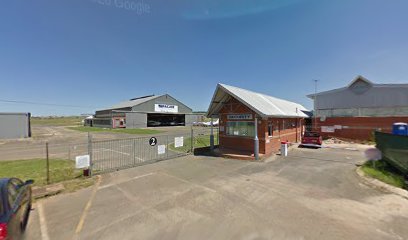
Soarjet Aviation is a Aviation training institute establishment in Pietermaritzburg, KwaZulu-Natal, South Africa
Pietermaritzburg
KwaZulu-Natal
South Africa
Sorry, no records were found. Please adjust your search criteria and try again.
Sorry, unable to load the Maps API.
Aviation Training Institute Services in Pietermaritzburg, KwaZulu-Natal
In Pietermaritzburg, KwaZulu-Natal, aviation training institutes offer a range of programmes designed to prepare individuals for professional careers in flight, maintenance, and air traffic operations. These centres typically provide a combination of theoretical instruction, practical flight or simulator sessions, and hands‑on training in aircraft systems and safety procedures. Enrolment usually follows a structured pathway that blends classroom learning with experiential components, enabling learners to build the knowledge and skills required for licensing, certifications, and entry into the aviation industry.
Across the region, the core services commonly include ground school and theoretical courses covering subjects such as aviation theory, navigation, meteorology, aircraft systems, and aviation law. Theoretical instruction is often complemented by practical sessions in flight training or simulator environments, where students can develop essential cockpit procedures, decision‑making, and standard operating practices. For those pursuing maintenance and engineering routes, institutes typically offer engineering fundamentals, aircraft systems understanding, and hands‑on workshops focused on aircraft components, inspection routines, and troubleshooting.
Flight training programmes are a central feature of aviation education in Pietermaritzburg. Individuals participate in a progression of lessons that may begin with introductory flying experiences and advance through more complex flight manoeuvres, navigation planning, and emergency procedures. Training frequently takes place at or near local aerodromes or partner facilities, with access to aircraft and flight simulators that mirror real‑world operating conditions. Students are guided by qualified instructors who emphasise safety, adherence to regulatory protocols, and professional cockpit discipline.
Ground handling and airfield operations training is another common element, focusing on the roles that support crews, dispatchers, and traffic management play in safe and efficient aviation operations. This may include lessons on aviation communications, airside safety, weather interpretation, and operational procedures used by aviation professionals on the ground. For those considering a broader aviation career, institutes may offer courses in aviation management, safety compliance, and regulatory frameworks that underpin airline and maintenance organisations.
Practical considerations for prospective students include understanding entry requirements, duration of programmes, and the sequence of modules. Most courses are designed to build competence gradually, with assessments at various stages to confirm progression. Financial planning is an important aspect, as some programmes may require funding for equipment, materials, and facility access. It is common for providers to offer guidance on career pathways, potential sponsorships, or pathways to formal licensing through recognised authorities, while avoiding claims about specific platforms or proprietary features.
Quality and compliance are typically foregrounded in the service model. Reputable institutes align with national aviation standards and accrediting bodies, prioritise safety training, and maintain facilities that reflect professional aviation environments. Learners can expect clear information on what each programme covers, the competencies targeted, and the benchmarks for successful completion. Additionally, institutes in this area usually emphasise transferable skills such as teamwork, situational awareness, and meticulous documentation, which support career resilience across multiple aviation sectors.
Overall, aviation training institutes in Pietermaritzburg offer structured pathways into aviation professions by combining theoretical education with practical, real‑world exposure. Prospective applicants are encouraged to review programme details, speak with admissions staff or current students, and assess how the available courses align with career objectives, regulatory expectations, and local aviation opportunities in KwaZulu-Natal.