Spitfire Restoration Project Friends of the SAAF Museum is a Museum establishment in Centurion, Gauteng, South Africa
Spitfire Restoration Project – Friends of the SAAF Museum
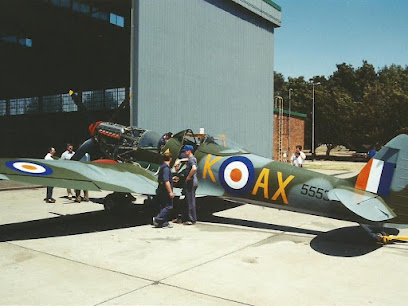
The Spitfire Restoration Project is presented as part of the Friends of the South African Air Force Museum (FSAAFM), a voluntary, non‑profit organisation dedicated to preserving and displaying the history and aircraft of the South African Air Force (SAAF). Hosted in Centurion, Gauteng, the initiative brings together a community of volunteers and supporters who contribute to the ongoing restoration and display of a historically significant Spitfire airframe. The emphasis is on public engagement, education, and the careful preservation of aviation heritage for current and future generations.
Core activities focus on the restoration and preservation of the Spitfire aircraft, with communication and outreach channels that keep supporters informed of progress. The project makes regular project updates available online, including “Latest Project News” and a monthly newsletter, highlighting achievements, contributions, and plans for the year ahead. Donors and supporters are recognised as integral to the continuance of the restoration effort, reflecting a collaborative, community‑driven approach to heritage preservation.
As a visitor-facing initiative, the project sits within a broader museum context, offering opportunities to learn about the Spitfire and its role in the South African Air Force history. The content available on the site signals a transparent, member‑led endeavour that welcomes engagement from aviation enthusiasts, historians, and members of the public who wish to follow the restoration journey or contribute to it through donations and participation with the Friends of the SAAF Museum network.
The overall customer experience is framed around accessibility to information, ongoing storytelling, and the chance to observe the restoration process as it unfolds. While the site does not publish granular service menus or price points, the presence of donation prompts and a newsletter indicates a structure rooted in volunteer support and community involvement. Visitors may gain insight into the practical aspects of heritage restoration through project updates, featured news items, and opportunities to connect with the FSAAFM and its initiatives.
What the project offers
Main services offered, as reflected by the site, include:
- Restoration and preservation of the Spitfire aircraft, conducted as part of a volunteer‑driven programme within the FSAAFM.
- Public communication and storytelling surrounding the Spitfire restoration, including project updates and newsletters to keep supporters informed.
- Fundraising and donor engagement, with online donation facilities and information about ongoing needs and progress.
- Participation in a broader museum network dedicated to South African Air Force history and aircraft preservation.
Typical job types or activities associated with the project, as inferred from the site and its emphasis on restoration and history, are likely to involve technical conservation work carried out by volunteers, documentation of the restoration process, and educational outreach to share knowledge about the Spitfire and its heritage. Specifics such as engineering tasks, periods of restoration, or prerequisite skills are not detailed on the site, which maintains a focus on community involvement and heritage storytelling.
How requests and engagement usually work
Engagement with the Spitfire Restoration Project generally follows a community‑led model, anchored in the FSAAFM’s structure. Notable elements include:
- Online presence that provides updates, news items, and a donation page, indicating a pathway for supporters to contribute and stay informed.
- Connection to the broader FSAAFM network, suggesting opportunities to participate through membership, volunteering, or attending related events.
- Regular communications such as a newsletter, which consolidates achievements, contributions, and future plans for the restoration project.
Given the limited detail on specific service processes, prospective supporters and visitors are advised to consult the project’s online updates and the FSAAFM’s resources for the most current information about engagement, volunteering opportunities, and ways to assist with the restoration work.
Practical tips for customers and supporters
- Check the latest project news and newsletter for a snapshot of progress and upcoming milestones.
- Consider making a donation to support ongoing restoration and preservation efforts.
- Explore the FSAAFM network to learn about volunteering, membership benefits, and related events.
- Keep an eye on updates for any public exhibitions or display opportunities linked to the Spitfire restoration.
- Refer to the site for the most current information about where to engage and how to participate, as details may evolve over time.
Location and accessibility
The project is positioned within Centurion, Gauteng, South Africa, as part of the Friends of the SAAF Museum. While specific opening hours or visiting times are not stated on the site, it is prudent to consult the project’s online updates or the FSAAFM resources for guidance on when information is available to the public or when events are scheduled. The broader museum context implies accessibility to individuals interested in South African aviation history within the Centurion area and the surrounding region.
Centurion
Gauteng
South Africa
Sorry, no records were found. Please adjust your search criteria and try again.
Sorry, unable to load the Maps API.
Museum Services in Centurion, Gauteng
Centurion, situated within Gauteng province, offers a range of museum services designed to illuminate regional history, culture, and science for residents and visitors. Museums in this area commonly operate as educational and cultural hubs, presenting galleries, exhibits, and programmes that reflect South Africa’s diverse heritage. They may serve as archival resources, community spaces, and centres for lifelong learning, appealing to families, researchers, school groups, and casual guests alike.
Visitors can typically expect a combination of permanent displays and rotating exhibitions that highlight local milestones, notable collections, and broader national narratives. In many instances, curatorial teams curate experiences with emphasis on accessibility, seeking to present artefacts and interpretive materials in a way that is engaging to a wide audience. Exhibition spaces are often complemented by educational rooms, lecture theatres, and reception areas where programmes and discussions can take place.
Practical considerations are central to the museum visit. Accessibility to the venue, safety protocols within the building, and the availability of car parking are common topics for potential guests. Some museums may offer guided tours led by trained staff or volunteers, providing contextual information about items on display and the histories behind them. Self-guided tours and multimedia resources are frequently provided to support independent exploration. Where facilities exist, shops with related merchandise and small cafés or refreshment areas can enhance the day out, though offerings vary between institutions.
Educational services form a major component of museum activity in Centurion. School programmes are typical, often aligned with national teaching standards and local curricula. These sessions may include workshops, artefact handling (where permitted), interactive demonstrations, and research-led activities that target different age groups. Public programmes such as speaker events, family activity days, film screenings, and temporary exhibitions help to engage the wider community and foster ongoing interest in history, science, art, or culture.
Community engagement is another important feature. Museums frequently collaborate with local organisations, libraries, universities, and cultural groups to deliver inclusive programming. Partnerships can lead to multidisciplinary exhibitions, heritage projects, and promotional activities that celebrate Centurion’s place within Gauteng and South Africa at large. Visitors commonly gain insights not only into the regional past but also into the ways in which heritage is interpreted and preserved in contemporary society.
Practical considerations for planning a visit include checking opening hours, ticketing arrangements (where applicable), and any restrictions on items such as bags or photography. Accessibility information, including ramps, lifts, and accessible facilities, is often highlighted to assist visitors with mobility needs. For researchers or enthusiasts, many museums provide visitor information hours, reference services, and guidance on accessing archival collections. It should be noted that content can range from well-curated public exhibitions to more specialised displays that require advance notice or appointment for research access.
Overall, museum services in Centurion, Gauteng, aim to present meaningful insights into local and national heritage while offering welcoming spaces for education and reflection. By combining traditional display methods with interactive and educational elements, these institutions seek to appeal to a broad audience, encouraging curiosity and lifelong learning about South Africa’s rich cultural landscape.