Springfontein Boer War Concentration Camp Cemetery is a Museum establishment in Springfontein, Free State, South Africa
Springfontein Boer War Concentration Camp Cemetery – Museum Summary
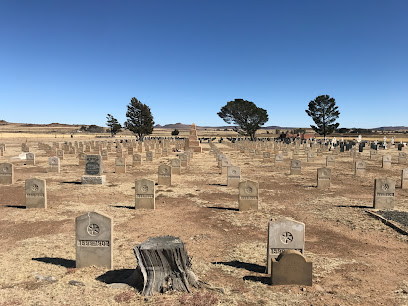
The Springfontein site is treated in historical records as part of the network of British concentration camps established during the South African War (1900–1902). The available material situates the camp in a landscape described in contrast to its social impact: a small, orderly encampment that housed families displaced by the conflict, with guarded routines and a notable degree of administrative detail under local supervision in the early months of 1901. The narrative highlights the camp’s development from a modest, tightly managed settlement to a rapidly expanding complex as military operations intensified. The cemetery element functions within the broader memorial context, marking graves and serving as a focal point for remembrance of those who endured the camp’s conditions.
From the historical brief, the Springfontein camp is portrayed as an environment where humane intentions and stern discipline coexisted. The camp was described by contemporaries as orderly and well-kept in appearance, yet the underlying experiences of deprivation — such as inadequate clothing and limited resources for women and children — are documented through survivor accounts and third‑party observations. The record notes attempts at practical support, including charitable aid and shop facilities, while also acknowledging the challenging realities faced by inmates. In this sense, the cemetery and its surrounding memorial landscape are presented as essential touchpoints for understanding the human dimensions of the war’s civilian impact.
The site’s memorial character is reinforced by visitor commentary that emphasises its emotional and educational weight. Several reviewers describe the memorial as deeply moving and the restoration work as meaningful, with materials used for gravestones reflecting historical distinctions—marble for British graves and sandstone for Boer graves—an approach intended to evoke the visual contrasts of a conflicted past. The ongoing maintenance and interpretation of the cemetery are cited as important factors in presenting a sober, reflective experience for visitors, enhancing both the historical accuracy and the sense of place. While some visitors have noted the challenge of locating the cemetery, others emphasise the site’s significance as a memorial to a tragic chapter in South Africa’s history.
In terms of the visitor experience, the cemetery is positioned within a broader historical narrative that includes archival materials and contextual information about camps, camps’ administration, and the day-to-day life of inmates. The composite account provided by the source material presents the site as part of a wider educational mission: to illuminate the complexities of the war’s civilian displacement and the multifaceted responses by authorities and volunteers alike. This framing supports a cautious, respectful engagement with the memorial space, inviting reflection on both the historical events and their enduring human impact.
Accessibility and practical considerations feature in visitor feedback. While the site is part of a documented historic network, practical access details are less uniformly described in the sources. Some reviewers mention the need to navigate through surrounding town areas to reach the cemetery, suggesting that clear wayfinding could enhance the experience for first-time visitors. The overarching takeaway is that the cemetery functions as a salient historical resource within Springfontein, with a commemorative purpose that benefits from thoughtful, well-sourced interpretation and careful maintenance.
- Main services offered: memorialisation and interpretation of the camp cemetery within its historical context; preservation of graves; contextual information about the South African War concentration camps; restoration elements in the memorial landscape.
- Typical activities or aspects: viewing the graves, reflecting on the camp’s history, engaging with historical narratives about civilian displacement during the war, and experiencing site restoration efforts that distinguish different grave markers.
- How requests typically work: information is accessed through historical records and site interpretation; physical access may require navigation through local town surroundings to locate the cemetery, so visitors may benefit from local guidance or prior planning.
Practical tips for visitors include allowing time to locate the cemetery and to absorb the surrounding memorial context, and recognising the value of the site as part of a broader historical study of the conflict. Given the reported lack of visible signage in some accounts, it is advisable to verify local access details in advance and to approach the site with a respectful, contemplative mindset. The Springfontein cemetery contributes a sober, tangible reminder of the civilian experiences during the South African War and stands as part of a preserved historic landscape in the Free State region.
Springfontein
Free State
South Africa
Sorry, no records were found. Please adjust your search criteria and try again.
Sorry, unable to load the Maps API.
Museum Services in Springfontein, Free State
In the town of Springfontein, within the Free State region, museums typically offer a range of professional services designed to preserve local heritage while engaging residents and visitors. These services balance the protection of historic artefacts with educational programmes, community engagement, and accessibility for diverse audiences. The emphasis is often on providing a respectful, informative experience that highlights regional history, culture, and natural environments, presented through carefully curated displays and supported by researchers, educators, and trained staff.
Core offerings commonly include permanent and temporary exhibits that interpret local history, archaeology, ethnography, and occasionally natural history. Exhibitions may present a narrative of the area’s settlement, mining heritage, agricultural practices, and daily life, using interpretive panels, artefacts, photographs, and audiovisual materials. In many cases, venues collaborate with regional or national partners to rotate exhibits, ensuring returning visitors have new material to engage with while maintaining a coherent story of the locality.
Educational programmes form a central pillar of museum work in Springfontein. Schools and community groups can typically arrange guided visits, classroom activities, and hands-on workshops aligned with curricula and learning outcomes. These activities aim to develop critical thinking about the past, encourage curiosity, and support literacy and research skills. Outreach programmes may extend to libraries, community centres, and heritage organisations, bringing learning opportunities to those unable to visit the museum in person.
Conservation and collection management are essential services underpinning the operations of museums in the area. Professional staff assess, document, and care for artefacts and archival materials, employing best-practice handling, storage, and conservation methods. Temperature control, humidity monitoring, and pest management are common concerns, addressed through dedicated storage spaces and periodic condition reporting. Access to certain items may be restricted to protect historical integrity, with policies explaining how requests to study or view items are handled.
Visitor facilities and accessibility are important considerations for museum services in Springfontein. Venues are typically equipped to accommodate day visitors, school groups, and occasional events, with clear signage, guided routes, seating, and clean amenities. Accessibility for people with mobility challenges, including ramps, accessible toilets, and parking provisions, varies by site, but efforts are often made to improve universal access. Public programmes such as talks, lectures, film screenings, and cultural events help to broaden engagement beyond display cases.
Researchers, historians, and genealogists may find archival and reference services available, enabling them to consult manuscripts, catalogues, and photographic collections relevant to local history. Requests for information are usually handled through formal channels, with staff guiding researchers on the appropriate sources and the process for accessing materials, which may involve appointment systems or copy services where feasible.
Practical considerations for visitors include checking opening hours, which can vary seasonally, and noting any entry fees or requested donations. Group bookings are generally encouraged for school visits or special events, providing a structured visit plan that maximises learning outcomes. Photographic policies, mobile phone etiquette, and intrusions on sensitive materials are typically outlined by staff to ensure respectful and compliant museum experiences.
Overall, museum services in Springfontein reflect a commitment to safeguarding regional heritage while offering educational and cultural opportunities for locals and travellers alike. The experience is designed to be informative, approachable, and community-oriented, with an emphasis on thoughtful interpretation, responsible stewardship, and welcoming, educational environments.