Stellenbosch Model Aircraft Academy is a Professional and hobby associations establishment in Stellenbosch, Western Cape, South Africa
Stellenbosch Model Aircraft Academy – Professional and Hobby Association Profile
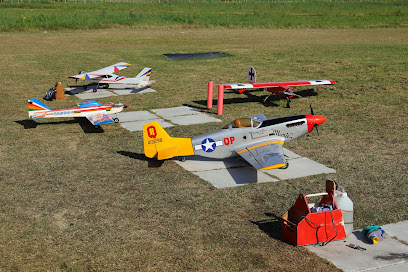
The Stellenbosch Model Aircraft Academy (SMAA) functions as a tightly knit community centre for model aircraft enthusiasts in the Stellenbosch area of the Western Cape. Described as a dedicated collective, SMAA emphasises the hobby’s social and educational aspects by providing a safe and friendly environment where pilots can fly model aircraft, exchange ideas, and connect with fellow enthusiasts. The organisation is portrayed as focused on fostering enjoyment of the pastime while maintaining responsible, respectful club culture.
Facilities at SMAA are available to members who carry SAMAA membership and have achieved at least SOLO proficiency, or who participate under the supervision of a qualified instructor. This structure highlights a commitment to safety and progressive skill development, with the on-site environment designed to support pilots as they advance from beginner to more confident, independent flying. The academy’s approach aligns with common practice within professional and hobbyist associations, combining access rights with competency requirements to ensure safe operation of radiocontrolled (RC) aircraft.
Central to SMAA’s appeal is the emphasis on shared access to a dedicated flying site situated on Wild Clover Farm. The venue is presented as a practical and scenic setting for RC flying, with additional facilities that contribute to a positive day-out experience for families and visitors exploring the broader offering at Wild Clover. The site’s surroundings are regularly highlighted by visitors for their beauty and the overall ambient environment that complements the flying activities.
Sound management is explicitly addressed as part of the academy’s operations. SMAA has implemented noise abatement procedures, with a maximum permitted noise level of 86 dBA measured over a hard surface from a distance of 7 metres for glow and gas-engined aircraft. This policy demonstrates a proactive stance on community relations and environmental considerations that are common among legitimate flying clubs. Prospective or visiting pilots are advised to refer to the club’s guidelines on the Downloads page for specific noise-compliance instructions and to use accurate decibel meter apps available in major app stores to verify compliance before flights.
Beyond flying, SMAA is positioned as a community hub where enthusiasts can socialise, learn, and observe best practices for operating model aircraft. The venue’s association with Wild Clover Farm means that visitors may also enjoy access to a broader leisure environment, which includes family-friendly facilities such as grassy spaces, dining options, and other outdoor activities. This combination of aviation-focused activity with a wholesome setting appears to contribute to a welcoming impression for both dedicated hobbyists and casual visitors.
Visitor feedback from independent reviewers reinforces the positive perception of SMAA’s site and culture. Reviewers frequently mention a well-maintained airfield and runways, a pleasant day out, and the warmth and helpfulness of the team. The consensus among reviewers highlights the site as a premier location for RC flying in the region, with several posts noting the suitability of the setting for practice and the high regard in which the staff and fellow pilots are held. Such remarks corroborate the narrative of SMAA as a friendly, functional, and well-regarded community facility.
Typical services and activities at SMAA are framed around governance, safety, education, and community engagement rather than commercial offerings. The core service is the provision of a flying venue and the associated culture that supports model aircraft pilots. In practical terms, prospective participants should plan to join SAMAA, obtain SOLO proficiency, and fly under supervision if not yet qualified to solo. Respectful conduct and adherence to noise guidelines are expected to sustain access for all members and visitors.
Practical tips for customers planning a visit or membership include: ensuring SAMAA membership is current and SOLO proficiency achieved if intending to fly unassisted; reviewing the SMAA noise guidelines before visiting and using a suitable decibel meter app to verify aircraft noise levels; familiarising themselves with the Wild Clover Farm location and its facilities to maximise the day’s enjoyment; and engaging with other members to learn the best flight practices and local rules. For those prioritising a scenic and sociable RC flying day, SMAA’s setting at Wild Clover Farm offers a compelling combination of flight space and countryside ambience, with a supportive community ethos.
Geographically, SMAA serves the Stellenbosch region within the Western Cape, offering a welcoming venue for both dedicated model aircraft pilots and hobbyists seeking a friendly, rules-conscious flying community in a picturesque rural setting.
Stellenbosch
Western Cape
South Africa
Sorry, no records were found. Please adjust your search criteria and try again.
Sorry, unable to load the Maps API.
Professional and Hobby Associations in Stellenbosch, Western Cape
In Stellenbosch, a town renowned for its academic heritage and vibrant community life, professional and hobby associations offer a range of services that support individuals in pursuing chosen careers or interests. These organisations typically function as forums for learning, networking, and professional development, while also acting as advocates within the local economy and wider industry landscapes. Members may join based on occupation, area of study, or specific hobbies, creating spaces that blend formal expertise with shared enthusiasm.
The core services commonly presented by these associations include continuing professional education, access to training resources, and opportunities to engage with peers. Attendance at seminars, workshops, and short courses often forms a regular feature, enabling members to stay informed about industry trends, regulatory changes, and best practices. In the Western Cape context, such programmes may emphasise topics relevant to South African markets, including compliance with local codes, ethical standards, and client service expectations. Additionally, associations frequently offer mentorship schemes, allowing less experienced practitioners to benefit from the guidance of seasoned members.
Networking is another important pillar. Regular meetings, conferences, and social events provide occasions for establishing professional connections and exchanging referrals. In Stellenbosch, the presence of nearby academic institutions and business gateways tends to enrich these networking opportunities, helping members to connect with researchers, potential collaborators, and service providers. The social dimension may extend to interest-driven gatherings, club activities, and hobby-specific showcases, which contribute to a sense of community and mutual support among participants.
Membership often includes access to resources such as directories, registries, and online platforms that facilitate knowledge sharing and collaboration. Members may gain entry to accredited or recognised professional development programmes, although the specific accreditation status varies by association and field. Practical guidance on career advancement, certification pathways, and industry standards is typically provided through newsletters, bulletins, and member portals. Some associations also offer insurance frameworks, legal helpline access, or risk management guidance designed to assist individuals navigating professional or hobby-related challenges.
For consumers and clients, engaging with professional and hobby associations in Stellenbosch can yield several benefits. These bodies frequently publish codes of conduct and ethics statements that help establish trust and accountability within local markets. They may also provide directories of qualified practitioners or hobby specialists, enabling more informed decisions when choosing a service provider or collaborator. While specific platforms and services vary, a common expectation is the assurance of ongoing professional development, quality control, and a commitment to recognised standards within the sector.
Practical considerations for prospective members and clients include the importance of verifying eligibility criteria, understanding membership dues, and recognising renewal requirements. Potential entrants should assess the value offered by a programme in relation to personal or organisational objectives, including the time commitment required for attendance at events and the potential return on investment from professional development or networking activities. Accessibility is another factor, with some associations providing local chapter meetings, online learning, and flexible engagement options to accommodate work and study commitments. Proximity to Stellenbosch’s amenities, transport links, and nearby business parks can influence participation levels and the convenience of in-person events.
In summary, professional and hobby associations in Stellenbosch serve as diverse hubs for learning, collaboration, and community-building. They typically deliver educational programming, networking opportunities, resource access, and professional support that can help individuals progress in their careers or deepen their engagement with their chosen pursuits, all within a South African regional framework that respects local requirements and industry norms.