Sun Quest Aviation is a Flight school establishment in Johannesburg, Gauteng, South Africa
Sun Quest Aviation: Flight Training Excellence in Johannesburg
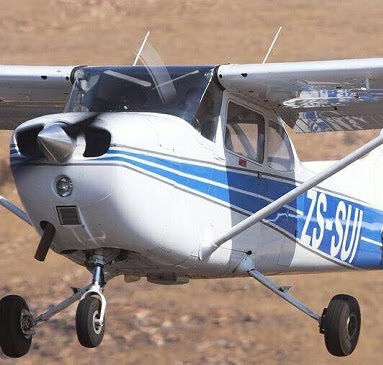
Sun Quest Aviation operates as a dedicated flight training organisation in Johannesburg, Gauteng, South Africa. The school emphasises safety as the core priority of its training programmes and is officially approved by the South African Civil Aviation Authority. The combination of an industrial-grade, well-maintained fleet of Cessna aircraft, a 1:1 student-to-instructor ratio, and a location within walking distance of accommodation contributes to a training environment designed to support steady progression from novice to professional pilot credentials.
As an international-friendly provider, Sun Quest Aviation highlights its capacity to attract students from more than 20 countries. The school presents a structured pathway for career-oriented pilots, offering a broad range of qualifications that are commonly pursued by those aiming for airline careers. The programmes are promoted as intensive and efficient, with the claim that education and flying hours can be completed in less time and at lower cost compared with many overseas institutions. The emphasis is on comprehensive skill development, combining hands-on flight experience with modern simulators and experienced instructors to cultivate both proficiency and safety.
The core courses cover the full spectrum of professional and recreational aviation needs. Notable offerings include:
- Private Pilot Licence (PPL) – the initial step into aviation, suitable for private flying and a foundation for further licences.
- Commercial Pilot Licence (CPL) – the entry point for flying as a career, often leading towards airline qualification.
- Instrument Rating (IR) – enabling flight in instrument meteorological conditions, relying on flight instruments for navigation.
- Multi-Engine Rating – expanding capabilities for multi-engined aircraft operations.
- Night Rating – enabling night-time flying after sunset and before sunrise, usually pursued alongside CPL training.
- Ground School – delivered by experienced instructors for CPL subjects, supporting theoretical understanding.
- Airline Transport Pilot Licence (ATPL) – the qualification associated with airline operations at the highest pilot level, typically pursued after accumulating flight hours.
- Instructors Rating – allowing qualified Commercial Pilots to act as Grade III flight instructors for initial type-specific instruction.
Course information is presented with clear pathways and application options. Each course section includes links to further details and the option to apply, reflecting a straightforward process for prospective students to explore and initiate training. The school also notes its ability to provide a well-rounded training environment, including a fleet described as well maintained and equipped with proven safety systems, alongside access to simulators that complement flight experience.
Customer feedback from visitor reviews highlights a consistently positive experience. Reviewers describe the atmosphere as friendly and welcoming, with instructors credited for being approachable and supportive. Several respondents emphasise the efficiency and cost-conscious nature of the training, noting swift progression and practical progress without unnecessary expenditure. The sentiment across multiple reviews points to flexible training arrangements and helpful staff contributing to a constructive learning environment. This qualitative feedback aligns with the operational emphasis on personalised instruction and safety-first training practices.
From a visitor experience standpoint, the setting appears pragmatic: a flight school located in a climate with favourable flying weather, which Sun Quest Aviation characterises as “nearly year-round perfect flying weather.” The operational model places a strong emphasis on personalised attention and direct access to instructors, a feature that is reinforced by the 1:1 student–instructor ratio cited in marketing materials. For students considering accommodation, the proximity of lodging within walking distance of the airport is highlighted as a practical convenience that complements a focused training regime.
Practical tips for prospective students include noting the breadth of licences and ratings available, and recognising the advisory emphasis on safety and instructor-led training. Given the international cohort noted by the school, prospective applicants from abroad may find the programme structure and support networks useful as they plan a pathway into professional aviation roles. Visitants can explore course details and applications through the school’s website, which provides dedicated sections for each licence and rating, along with ground school and other preparatory components.
Operational considerations for visitors include acknowledging that the school promotes a varied, experience-rich learning journey with a focus on real flight time and instruction quality. Applicants should review the course prerequisites, flight hour expectations, and progression requirements for each licence, and consider how the programme aligns with long-term career objectives in aviation. The location—Johannesburg, Gauteng—positions Sun Quest Aviation within a busy aviation hub, offering exposure to diverse flying conditions and a practical backdrop for developing both technical competence and professional discipline.
Johannesburg
Gauteng
South Africa
Sorry, no records were found. Please adjust your search criteria and try again.
Sorry, unable to load the Maps API.
Flight School Services in Johannesburg, Gauteng
In Johannesburg, Gauteng, flight schools provide a range of aviation training designed to prepare aspiring pilots for professional and recreational flying. The landscape combines established aviation academies with smaller operators, all operating from airports and airfields within or near the metropolitan area. Prospective students should expect programmes that blend ground instruction with hands-on flight time, delivered by instructors who understand South Africa’s regulatory environment and local operating conditions.
Typical offerings cover progression from initial private pilot training through more advanced qualifications. Training commonly includes:
- Private Pilot Licence (PPL) preparation, including theoretical knowledge and basic flight skills required for solo and supervised flight operations.
- Commercial Pilot Licence (CPL) programmes for those seeking professional aviation careers, incorporating advanced flight techniques and navigation, with Flight Training Organisation requirements met under local aviation authorities.
- Instrument Rating (IR) or Instrument Flight Rules (IFR) training to enable flying in a wider range of meteorological conditions and improve flight planning competencies.
- Ground school components covering air law, meteorology, aircraft systems, navigation, aerodynamics, and human factors, usually delivered through a combination of classroom sessions and online study materials.
- Flight instruction across a fleet of training aircraft, with varying performance characteristics to suit different stages of learning, including initial pattern work, cross-country flights, and night operations where permitted.
- Simulator sessions that reinforce procedures, instrument interpretation, and crew resource management in a controlled environment before or alongside actual flight time.
- Type rating or specialised training for specific aircraft, when pursued by licence holders seeking particular operational niches or employer requirements.
- Medical and regulatory preparation, ensuring compliance with aviation medical examinations and licensing standards required by the national aviation authority.
Students can expect a structured progression, with a clear syllabus, milestones, and recurrent assessments. In Johannesburg, training often benefits from proximity to multiple aerodromes and airspace layers that accommodate VFR and IFR operations, enabling diverse practice conditions and traffic scenarios. Instructors prioritise standard operating procedures, safety practices, and situational awareness, all essential for the demanding environment of urban and regional flying.
Practical considerations for selecting a flight school in this region include the size and condition of the training air fleet, the availability of ground school facilities, and the balance between theoretical instruction and practical flight hours. The local airspace complexity, weather patterns typical to Gauteng, and the accessibility of maintenance support all influence scheduling and preparation timelines. Prospective enquirers should also consider potential fees for aircraft rental, instructor time, examinations, and any additional costs related to equipment such as aviation headsets, charts, and study materials. Transparent communication about progression pathways, licensing requirements, and long-term career planning is valuable when evaluating a programme.
Overall, flight school services in Johannesburg aim to provide comprehensive, standards-based aviation training that enables safe, proficient, and legally compliant operation in both domestic and international contexts. The emphasis is on practical flight experience, grounded theory, and the development of decision-making skills essential to early professional pilots, as well as leisure pilots seeking to achieve higher levels of competence within South Africa’s aviation framework.