The AMO is a Aircraft maintenance company establishment in Cape Town, Western Cape, South Africa
The AMO: Aircraft maintenance and repair services in Cape Town
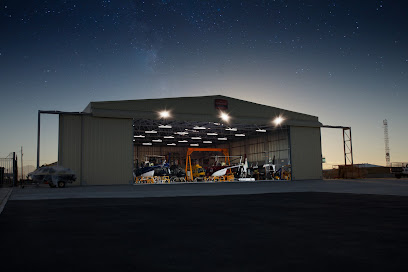
The AMO operates as a professional helicopter service organisation based at Cape Town International Airport in the Western Cape, delivering a comprehensive range of maintenance, inspection and refurbishment services. While the primary focus is on Bell helicopters, the team brings substantial experience across various rotorcraft, positioning The AMO as a versatile partner for helicopter owners and operators seeking dependable, aircraft‑system specialists in the region.
The core offering centres on keeping helicopters flight‑ready and compliant with regulatory requirements. This includes regular general maintenance and full inspections designed to ensure airworthiness, registration validity and compliance with recognised manuals and maintenance standards. An important element of their approach is staying abreast of evolving operations and maintenance regulations, which helps customers meet both national and international expectations for rotorcraft upkeep.
Key services and typical job types
- <strong General maintenance and inspections: The AMO conducts maintenance periodical inspections (MPI) through a qualified team, performing visual examinations of components to establish airworthiness. This service covers fault finding on defects, ensuring parts are repaired or replaced as needed prior to scheduled maintenance dates, and includes electrical diagnostics and repairs for instrumentation, gauges and communications gear.
- <strong Engine diagnostics and support: Engineers diagnose, test and resolve engine faults such as misfires, fueling or starting issues. Post‑maintenance flights are completed internally to verify performance and safety after work is concluded, providing an added layer of assurance for customers.
- <strong Airframe maintenance and repairs: Full airframe inspections identify prior damage, misuse or accidents. The AMO offers structural repairs and uses composite doublers to extend airframe life where appropriate, with emphasis on safe, efficient methods and clear assessment of airframe integrity.
- <strong Engine rebuilds, overhauls and loaner engines: When required, engine rebuilds and components overhauls are performed to high technical standards. The workshop is equipped for engine overhauls after thousands of flying hours, keeping helicopters in peak condition. In urgent cases, loaner engines can be installed to minimise downtime during repair cycles.
- <strong Airframe refurbishment and cosmetic works: Refurbishment extends to all exterior and interior finishes, including respraying, upholstery, and interior carpentry. An on‑site spray booth enables interior and exterior refinishing using approved high‑performance paints designed to withstand diverse environmental conditions.
- <strong Track and balance and vibration reduction: Rotor track and balance services identify vibration sources such as rotor trunion, tail rotor, drive shafts or cooling components, restoring smooth operation and extending component life.
- <strong Refurbishment and corrosion control: Refurbishment options cover interior upgrades, cabinetry, carpeting and soundproofing. Rust and corrosion management is emphasised, particularly relevant for coastal operations where accelerated corrosion can occur, with strategies focused on proactive removal and prevention.
How requests are handled and the customer experience
Requests typically begin with an assessment by The AMO’s team to determine the scope of maintenance or repair required. The facility’s emphasis on internal post‑maintenance flight tests provides customers with confidence that the aircraft has undergone rigorous verification before returning to service. The organisation’s reviews highlight a reputation for responsive, knowledgeable engineers and a hands‑on approach to problem solving, with a focus on lasting results and safety.
Commentary from clients reflects steady, around‑the‑clock support and a willingness to adapt to operational needs. One customer notes reliable 24/7 availability that keeps a remote operation functional, while another highlights swift MPI scheduling and prompt snag repairs. A respected aviation professional describes The AMO as a high‑standard, trusted facility with a cooperative team approach and transparent workmanship, contributing to a strong trust in the service delivered.
Location, areas served and contact context
Located at Cape Town International Airport, The AMO serves clients within the Western Cape and surrounding rotorcraft operators who require dependable maintenance and refurbishment capabilities. The site is positioned as a full‑service maintenance hub, capable of handling general maintenance, engine and airframe work, refurbishment and corrosion control, with a focus on maintaining regulatory compliance and flight‑ready status.
Practical tips for customers
- Plan for a full inspection and testing cycle when introducing a new helicopter model or when purchasing a pre‑owned rotorcraft; early diagnostics can prevent hidden issues from escalating and affecting airworthiness.
- Discuss potential downtime and loaner engine options upfront if engine work is anticipated, to minimise disruption to operations.
- Ask about corrosion prevention strategies, particularly for coastal operations, and clarify the recommended maintenance intervals for airframe components.
- Request a clear understanding of post‑maintenance flight testing procedures to confirm that the aircraft meets all required performance standards before returning to service.
- Consider ongoing maintenance scheduling that aligns with regulatory requirements and operator needs, ensuring that MPI and fault repairs are planned to avoid operational gaps.
Overall, The AMO is portrayed as a capable, customer‑focused maintenance facility with a broad spectrum of helicopter services. The combination of technical expertise, hands‑on refurbishment capabilities and a track record of dependable support contributes to a reputation for safety, quality and efficiency in the Cape Town rotorcraft community.
Cape Town
Western Cape
South Africa
Sorry, no records were found. Please adjust your search criteria and try again.
Sorry, unable to load the Maps API.
Aircraft Maintenance Services in Cape Town, Western Cape
<pAcross Cape Town, aviation maintenance providers offer a range of essential services designed to ensure aircraft operate safely, reliably, and in compliance with regulatory standards. These services cover routine checks, preventive maintenance, major overhauls, and on-site support, supported by facilities that meet industry requirements and safety expectations within the Western Cape region.
<pMaintenance facilities in Cape Town typically deliver scheduled inspections and line maintenance to keep aircraft eligible for flight. Line maintenance includes daily checks performed between flights, cosmetic and functional inspections, and quick-turnaround tasks that address wear, minor faults, or discrepancies observed during operations. A core aim is to minimise downtime while maintaining adherence to airworthiness obligations and manufacturer recommendations. In addition, many providers offer heavy maintenance capabilities, where more extensive inspections, component overhauls, and structural checks are conducted at suitably equipped hangars or partner locations.
<pA broad spectrum of technical services is available to operators, charter companies, and private owners. Work often spans airframe and systems inspection, engine maintenance planning, avionics diagnostics, and component support programmes. Where required, specialists address hydraulic systems, electrical wiring, fuel system integrity, landing gear, braking systems, and environmental control systems. The scope can extend to safety-critical areas such as corrosion assessment, airworthiness directives, and maintenance data reviews to ensure continued compliance with regulatory and manufacturer directives.
<pClients can expect a structured maintenance cycle that starts with an assessment of the aircraft’s maintenance history and current condition. This informs the development of a maintenance plan, the allocation of qualified technicians, and timelines for required tasks. Clear communication is typical, with schedules, estimates, and work authorisation processes designed to support operator planning and aircraft availability. In many cases, maintenance providers coordinate with the relevant aviation authorities to verify compliance, document work performed, and update airworthiness records accordingly.
<pPractical considerations for customers in the Western Cape include the availability of suitable facilities to house the airframe and systems, access to skilled technicians with appropriate certifications, and the capacity to handle anticipated workload, whether for narrow-body or smaller general aviation aircraft. Cape Town’s geographical setting means some operations consider weather patterns, fly-in servicing, and proximity to transport links for spare parts and equipment. It is common for maintenance organisations to collaborate with approved maintenance organisations (AMOs) and authorised service centres to ensure access to specialised equipment, tooling, and expediting of critical components when required. Facilities often emphasise safety, environmental management, and adherence to security protocols on the ramp and workshop areas.
<pTypical expectations around turnaround and cost include transparent quoting, defined scopes of work, and documented sign-offs for each maintenance task. While prices vary with aircraft type, complexity, and the extent of required work, operators generally look for an outline of milestones, anticipated downtime, and provisions for unforeseen issues. Quality assurance practices, including inspection sign-offs, test flights, and post-maintenance checks, are standard to verify work accuracy and ensure the aircraft is returned to service in a ready-to-operate state.
For prospective customers in Cape Town seeking maintenance support, local providers commonly offer consultancy on airworthiness, scheduled maintenance planning, and reliability improvement strategies. They aim to deliver efficient turnarounds, practical field service when needed, and adherence to the highest safety standards, while coordinating with the broader aviation ecosystem in the Western Cape and beyond.
- Line maintenance and routine inspections
- Major airframe and system overhauls
- Engine and propulsion diagnostics and maintenance planning
- Avionics and electrical systems troubleshooting
- Hydraulic, fuel, and environmental control system work
- Structural inspection, corrosion control, and airworthiness compliance
- Maintenance planning, documentation, and regulatory liaison