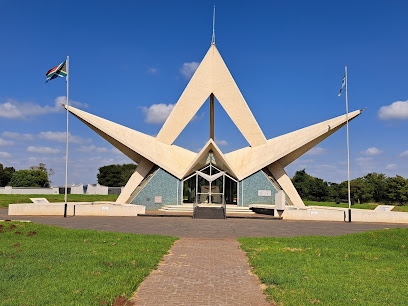
The South African Air Force Memorial is a War memorial establishment in Centurion, Gauteng, South Africa
The South African Air Force Memorial – Centurion, Gauteng
The South African Air Force Memorial in Centurion, Gauteng, stands as a contemplative tribute to the airmen and women who served the South African Air Force (SAAF) and those who made the ultimate sacrifice. Positioned with a view over the nearby air base, the site is described by visitors as a serene, well-maintained space that blends thoughtful design with a reflective landscape. The memorial project originated from SAAFA (the South African Air Force Association), and its ongoing upkeep is noted by observers as a point of civic pride and historical remembrance.
From the on-site experience, the memorial presents a distinctive architectural focal point. A main building is interpreted by visitors as representing a fighter aircraft, with wings seemingly directed toward Durban, Cape Town, and Polokwane. The accompanying open spaces, including well-kept lawns and clear sightlines to the surrounding airbase, contribute to a peaceful setting that invites quiet contemplation and remembrance. Several visitors highlight the striking nature of the structure and its symbolism, which fosters a respectful atmosphere for on-site reflection.
The memorial’s broader purpose extends beyond mere commemoration. It sits within a network of SAAF-related heritage and welfare work channelled through SAAFA, which has historically supported veterans and families through benevolence programmes, education, and care for the aged. This context reinforces the memorial as part of a larger storytelling of South African aviation history and veteran welfare, rather than as a standalone monument.
Main services offered
- Public access to a dedicated war memorial and associated commemorative features.
- Informative on-site interpretation through the design and layout of the main memorial structure.
- Connection to broader SAAF heritage through proximity to SAAFA initiatives and memorial services historically hosted by the association.
- Open-air environment with landscaped grounds suitable for quiet visits, reflection, and family outings.
Typical visits and visitor experience
Visitors commonly describe the experience as peaceful and well presented, with graceful grounds and a tidy setting. The site is frequently praised for its clean upkeep and the solemn ambience that supports remembrance. Narratives from visitors also emphasise the helpfulness of on-site caretakers, who provide information about the memorials and the broader SAAF history when available. Some reviewers note that access to the main building can be limited at times, but the surrounding grounds remain accessible and well maintained.
The location offers a vantage point over the airbase, which enhances the sense of place for visitors with an interest in aviation heritage. The memorial is routinely described as an important local landmark for those exploring South Africa’s military history and aviation legacy.
<h2 Typical services by category
While not a commercial project, the site functions as a memorial with the following aspects commonly recognised by visitors:
- Heritage and commemorative value tied to SAAF history and veteran welfare legacy.
- Calm, contemplative spaces for individuals and families to reflect on the sacrifices of service members.
- Access to a publicly viewable monument and surrounding memorial landscape, free of charge.
<h2 Practical tips for visitors
- Plan to visit during daytime hours; reviews indicate the memorial is open to the public with visitors able to enjoy the grounds and interpretive aspects of the site.
- Be prepared for a walk and carry light refreshments if needed; the site is outdoors and can be exposed to the elements.
- Check daylight lighting considerations around dawn or dusk if photography or particular lighting ambience is preferred.
- Respect the memorial space and nearby aviation facilities; follow any site-specific access directions observed by caretakers.
- Since information about opening hours may vary, verify current access conditions prior to travel and allow time for a dignified visit.
<h2 hours, location and area served
Reviews indicate that the memorial is accessible seven days a week, with a common reference to a closing time around mid-afternoon (for example, around 3:30pm). The site is situated at the entrance to Waterkloof Air Force Station, Centurion, offering views over the airbase and serving visitors from Centurion and the wider Gauteng region who are interested in aviation history and veteran memorials.
Centurion
Gauteng
South Africa
Sorry, no records were found. Please adjust your search criteria and try again.
Sorry, unable to load the Maps API.
War memorial services in Centurion, Gauteng
In Centurion, a town neighbouring Pretoria, war memorial services are organised to honour military personnel and civilians who served, or lost their lives in conflicts associated with the country’s history. These services typically take place at local cenotaphs, battle memorials, cemeteries, or memorial halls, reflecting a shared commitment to remembrance within the Gauteng region.
What visitors can expect is a structured programme that combines solemn ceremonies with moments for reflection. A typical service may include a commemorative address by a representative, the reading of names or roll of honour, and the playing or singing of national or regimental anthems. Floral tributes and wreath laying are common features, along with the presentation of colours or the observance of a minute’s silence. Some events may include an act of remembrance led by clergy, veterans’ organisations, or community leaders, followed by prayers or lullabies used to honour the fallen.
Local organisers often strive to accommodate a broad audience, including families, veterans, school groups, and residents. As a result, services are usually designed to be dignified and orderly, with clear seating arrangements, accessibility considerations, and a respectful pace that permits quiet contemplation. In Centurion, venues vary in size and facilities, but most arrangements aim to provide a safe and inclusive environment with appropriate shelter in case of adverse weather and provisions for seating near the focal memorial.
Accessibility is a practical consideration in Centurion. Parking facilities, public transport access, and the proximity of relevant amenities influence how attendees participate. Some events are held in central civic spaces with easy access, while others take place at military cemeteries or dedicated memorial grounds on the outskirts of town. It is common for local councils or veterans’ groups to coordinate with organisers to manage crowd flow, safety, and any required permits or permissions for processions or security arrangements.
For those planning a memorial service, the process generally involves several steps, without assuming a one-size-fits-all approach. Organisers typically identify a suitable venue and date, arrange any required speakers or programme items, and organise the delivery of wreaths or flowers. They may coordinate with schools, veterans’ organisations, and religious groups to ensure a representative programme. On the day itself, volunteers or staff may guide attendees, manage seating, and oversee the orderly execution of the programme. The aim is to create a respectful, reflective experience that honours the memory of those commemorated while supporting the community’s needs for shared remembrance.
Practical considerations also extend to post-event arrangements. It is common for venues to offer sanitised or accessible facilities, with provisions for refreshments or information stands where visitors can learn more about local history and the individuals being honoured. Some services may include a short reception or community gathering after the formal programme, subject to local guidelines and the preferences of participating organisations.
Overall, War memorial services in Centurion reflect a community-focused approach to remembrance, balancing solemn observance with opportunities for education and public reflection. Visitors can expect a dignified programme, careful attention to accessibility and safety, and a sense of shared respect for those who served or were affected by conflict in South Africa’s history.