Vereeniging Airport FAVV is a Airport establishment in Vereeniging, Gauteng, South Africa
Vereeniging Airport (FAVV): Services, Operations and Customer Experience
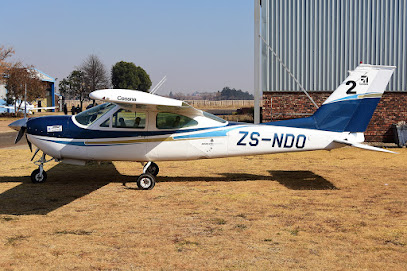
Vereeniging Airport (FAVV) is a small, light-aircraft aerodrome situated in Vereeniging, Gauteng. Operated under the purview of Sedibeng District Council, the facility presents as a compact field with a focus on general aviation activity, including flying schools, charter operations, and private aircraft movements. Information published on the airport’s own site highlights that the airfield supports multiple runways and mixed operational activity, making it a practical hub for local pilots and visiting light aircraft operators.
Key services described within the site centre on aircraft movement support, airfield information, and fuel provisioning, subject to current availability. Two runways are listed: 03/21, which has lighting, and 15/33, with right-hand circuits for certain approaches. The airfield is noted as unmanned in routine operations, although a control tower structure has been constructed. Pilots are advised to adhere to unmanned procedures and remain vigilant for training aircraft, microlights, and potential aerobatic activity, which may operate at any time. A notable operational nuance is the aerobatic box located east of runway 03/21; pilots approaching FAVV are advised to communicate on the local frequency and confirm the box status before entry to ensure a safe joining pattern.
Fuel supplies—both AVGAS and Jet A1—are available at the airfield, though fuel status can vary. The official guidance encourages verification of fuel availability by phone before arrival, reflecting the pragmatic realities of an otherwise small-volume field. Contact details for fuel status and arrangements are provided via named local contacts, illustrating a reliance on direct, on-site communication to manage provisioning. In addition, the airfield offers basic support for fuel during standard weekday hours, with weekend windows that are typically shorter, emphasising the need for planning ahead when fuel is essential to a flight plan.
Operational management is described as being administered by the Sedibeng District Council, with occasional difficulty in obtaining timely status updates from management. This aspect of the experience can influence scheduling and on-site coordination, particularly during periods of runway maintenance or other works where access and safety become prominent concerns. The airport’s information page also cautions users to be aware of non-notified maintenance activity that can affect runway availability and aircraft movement. Visitors should anticipate variability in day-to-day operations and some degree of self-reliance in coordinating arrivals, departures, and ground handling.
The site’s “Companies” section signals the presence of flying schools and charter operations at FAVV, and notes that additional information can be obtained on a dedicated page. Rainbow Air School, in particular, is referenced as offering MPL and NPL training related to microlights and light sport aircraft, highlighting the airfield’s role as a training venue in the region. The page also alludes to charter services, indicating that aircraft hire and flight operations can be arranged from the airport, subject to availability and operator arrangements.
Visitor feedback gathered from publicly accessible review sources reveals a mixed customer experience landscape. Positive commentary often references the airfield’s quiet atmosphere and functional runways, with several reviewers noting that the facility remains usable for touch-and-go practice and general aviation activities. On the other hand, some reviews raise concerns about airport management, perimeter security, and maintenance practices, including fencing, ground access, and potential hazards around taxiways and runways. Reports of inconsistent maintenance and unauthorised activity near the airfield underscore the importance of thorough pre-flight planning and situational awareness for pilots operating at FAVV.
Typical operational activities at Vereeniging Airport include flight training, charter operations, and private flights, with a focus on light aircraft. The airport serves as a regional point for Vaal Triangle aviation history and activity, and it is a venue that supports aerial education, recreational flying, and basic aircraft handling. Accessing the airfield requires consideration of unmanned procedures, adherence to circuit directions, and a readiness to manage occasional advisory communications on the FAVV frequency. The surrounding area is primarily the Vereeniging region, with connections to the broader Gauteng Gauteng aeronautical community.
Practical tips for visitors and pilots:
- Always verify fuel status with the listed contacts before arrival to avoid fuel shortages.
- Check the aerobatic box status prior to approach; follow western-entry procedures when active.
- Treat FAVV as an unmanned facility—maintain situational awareness for training aircraft and microlights in the circuit at all times.
- Expect variable ground conditions and occasional maintenance on and near runways; plan taxiing and timing accordingly.
- Coordinate with local administrators or port staff for information on hangar space or charter arrangements if seeking additional services.
Operational hours are influenced by fuel availability and local management practices, with standard communications advised on the field’s frequency. The location services a regional aviation community within Vereeniging and the wider Gauteng area, providing a practical, if occasionally challenging, environment for light aviation enthusiasts and professional pilots alike.
Vereeniging
Gauteng
South Africa
Sorry, no records were found. Please adjust your search criteria and try again.
Sorry, unable to load the Maps API.
Airport Services in Vereeniging, Gauteng
Airport facilities serving Vereeniging and the surrounding parts of Gauteng typically concentrate on facilitating both local and regional aviation activity. While the scale of operations may differ from major international hubs, these airports commonly provide essential services for private pilots, charter operators, flight schools and business travellers. The focus is on efficiency, safety and reliability, with a clear emphasis on small to mid‑size aircraft operations and support services that keep the airfield functional and compliant with aviation regulations.
At the core of most Vereeniging-area airfields are airside and landside areas that manage aircraft movements, passenger handling (where applicable) and ground operations. Runways or suitable landing strips are supported by basic navigation aids, lighting for limited hours of operation, and air traffic control or advisory services appropriate to the airspace and traffic volume. Ground handling firms, if present, assist with aircraft marshalling, towing, parking and coordination of fuel deliveries. For many users, the emphasis rests on timeliness, professional handling of arrivals and departures, and clear communications between pilots and ground staff.
Fuels and servicing form a practical nucleus of airport activity. Avgas and Jet A1 supplies may be available on site or via nearby supplier networks, with arrangements for refuelling often prioritised to minimise ground time. Hangar space, security fencing and sheltered areas for maintenance or pre‑flight checks are typical amenities that support routine upkeep, routine inspections, and small repairs. Business aviation customers may expect more structured access to hangar facilities, pilot lounges, or concierge services, while recreational pilots utilise simpler arrangements and friendly, accessible support from local operators.
Passenger and crew services, where present, reflect the modest scale of operations. Shared facilities might include a small arrivals and departures area, washrooms, basic refreshments, and information notices about weather and flight status. In many cases, security procedures are aligned with national standards, with controlled access to airside zones and a streamlined process for baggage or equipment handling. For international travel, travellers typically rely on larger transport hubs; Vereeniging airfields serve predominantly domestic, charter or general aviation needs, with clear guidance on applicable regulatory requirements for cross‑border movements.
Practical considerations for users include planning for limited parking, vehicle access and airside restrictions. Local transport options such as taxis or ride‑hailing services may be available nearby, alongside short‑term parking spaces for quick stopovers. Weather can influence scheduling, particularly in light aircraft operations, so pilots and operators commonly monitor local meteorological reports with a focus on visibility, wind speed and runway conditions. Accessibility for passengers with reduced mobility is addressed where facilities exist, with staff trained to provide safe, courteous assistance where needed.
Operational best practices emphasise safety, preparedness and compliance. Before departure, pilots verify airfield information, fuel availability, and any special procedures for noise abatement or airspace restrictions. On arrival, crews and passengers follow posted guidelines, receive assistance as required, and coordinate with ground staff for efficient turnover. While individual airport offerings vary, the overarching aim remains to support dependable access to the region, maintain high safety standards and deliver straightforward, reliable aviation services to the Vereeniging area.
- General aviation handling for light aircraft and charter operations
- Fuel services and basic maintenance support
- Hangar and tie-down facilities, with observed security controls
- Ground handling, towing and aircraft marshalling
- Limited passenger or crew facilities and information services
- Local ground transport options and parking considerations