West Dunes Aviation is a Helicopter charter establishment in Pretoria, Gauteng, South Africa
West Dunes Aviation: Helicopter Charter Services in Pretoria, Gauteng
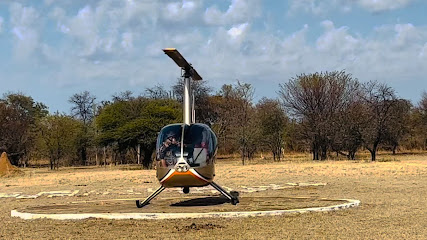
West Dunes Aviation operates from Waterkloof Glen, Pretoria, with its helicopter stationed at Wonderboom Airport under a service agreement with Heli-Fix. The company traces its origins to 2004, initially registered as West Dunes Properties 37 (Proprietary) Limited, before adopting its current name in 2008 after acquiring a helicopter. An early Robinson R44 Raven II was acquired in 2008 to support transport needs and pilot licence maintenance, and to help offset insurance and maintenance costs through rental activity. The current business posture reflects a shift towards formal aviation operations, including consideration of licensed air service activities with a view to expanding into structured charter offerings.
From the available information, West Dunes Aviation presents itself as a small, owner-led operation with a hands-on heritage in helicopter flying. The management team has a direct background in piloting, with founders having earned private pilot licences in the preceding decades. The company’s stated aim is to capitalise on the aircraft asset by supporting a broader range of helicopter-related work, including potential game-oriented aviation tasks, subject to regulatory approvals and licensing developments. This context suggests a focus on personalised, project-based aviation services rather than large-scale commercial scheduling.
The core capabilities highlighted include transport and advisory support from a helicopter platform, complemented by plans to deploy dedicated pilots for specialised operations. The company has explicitly mentioned intentions to employ a full-time pilot for niche game-related work such as game capture, game darting, and game counting. While passengership and sightseeing flights are implied by the charter category, the information available does not provide a detailed menu of standard flight packages or pricing. Instead, the emphasis is on versatility—using helicopter assets to support both private transportation needs and specialised field tasks where aerial work is advantageous.
Operational arrangements indicate a practical, mission-flexible approach. The aircraft currently operates from a dedicated base in Waterkloof Glen, with the helicopter kept at Wonderboom and serviced by Heli-Fix. This arrangement points to an emphasis on keeping the aircraft available for reactive or scheduled missions while maintaining a maintenance and service framework through a trusted partner network. The regulatory milestone noted—pursuing an operator’s licence and engaging SACAA for an Air Service Licence and an Operating Certificate (AOC)—signals an intention to formalise operations further and expand the ability to offer regulated helicopter services in the region.
Customer experience, based on visitor impressions and related third-party feedback, points to niche aviation activities associated with safari or wildlife-oriented work, such as game capture or related aerial support for safari operators. One of the quoted snippets references a safari operation, where the service was described as excellent and highly recommendable. While the direct consumer-facing service details from West Dunes Aviation are limited in public sources, the tone conveyed in the available reviews aligns with a personalised, professional service where experienced pilots and a dedicated operational mindset are valued. The references to work with external safari operators suggest a collaborative, field-focused approach rather than a mass-market charter model.
For potential customers, practical considerations include understanding that the business operates from a fixed address in Pretoria and maintains a remote hangar arrangement for the helicopter. Prospective clients should expect a tailored engagement, with discussions likely focusing on mission objectives, regulatory compliance, and the feasibility of specific aerial tasks. Given the current licensing trajectory, customers seeking regulated charter services should anticipate updates to licensing status and service scope as the operator advances through the SACAA process.
- Typical job types (as described or implied): private transport by helicopter, general aerial service, and niche game-related aerial work (capture, darting, counting) pending licensing approvals.
- Request workflow (implied): initial consultation to determine mission objectives, regulatory considerations, and aircraft availability; consideration of licensing status and operational permissions before formalising a flight plan.
- Practical tips for customers: confirm current licensing and operating status; discuss payload, range, and mission-specific requirements; verify helicopter availability and maintenance arrangements; clarify safety standards and pilot qualifications; consider the physical and environmental factors of the planned operation, especially for fieldwork or safari-related tasks.
Geographically, the operation is situated in Gauteng, serving Pretoria and the surrounding area, with targeted work that may extend to wildlife-related ventures as indicated by references to game work. The business hours and best times to visit are not explicitly stated in the publicly available content, and prospective clients should contact the office to arrange a suitable appointment or site visit, bearing in mind the proximity to Wonderboom Airport for operational access and potential co-ordination with the hangar partner.
Pretoria
Gauteng
South Africa
Sorry, no records were found. Please adjust your search criteria and try again.
Sorry, unable to load the Maps API.
Helicopter Charter Services in Pretoria, Gauteng
In Pretoria, the capital region of Gauteng, helicopter charter services offer rapid, flexible transport for business executives, VIP guests, and time-sensitive operations. The typical aviation portfolio includes both on-demand charters and specialised flight options designed to maximise efficiency for short hops within the province and across neighbouring areas. Chartered aircraft in this market are often configured to accommodate varying passenger loads, luggage needs, and bespoke itineraries, subject to regulatory requirements and weather conditions.
Charter providers commonly offer a range of service categories. Short-range executive transfers connect airports with central business districts or private airstrips, reducing ground travel time and avoiding urban congestion. Scenic and personalised tours are popular for corporate entertainment, client hospitality, or landmark sightseeing, with routes highlighting notable features such as the cityscape, nearby nature reserves, and secure governmental precincts. For corporate users, intercity or region-to-region transfers may be organised to facilitate multi-site meetings or site visits across Gauteng and adjacent provinces, subject to airspace restrictions and flight permissions.
Operationally, customers typically contact a charter operator to discuss timings, passenger numbers, luggage allowances, and any special requirements. A standard process involves providing the preferred arrival and departure points, approximate travel times, and a date for the flight. Operators then present a proposed itinerary, including aircraft type, estimated durations, and contingency options in case of weather or operational changes. Once confirmed, the booking is supported by a clear briefing on what to expect at departure points, security procedures, and passenger safety rules. On the day of travel, passengers usually arrive in good time for check-in, with verification performed in line with aviation and security practices.
Practical considerations play a significant role in Pretoria’s charter environment. Weather patterns in Gauteng can influence flight plans, with sudden cloud formation, wind shifts, or limited visibility affecting take-off and landing options. Controllers and airspace management guide route selection to maintain safe separation from other traffic and to comply with altitude boundaries. Ground support at private or municipal heliports is a common feature, offering passenger lounges, accessible parking, and secure handling of luggage and documents. Fuel arrangements are typically managed by the operator, with stand-by options in case of delays or extended missions.
Safety and compliance form a core focus, with operators subject to national aviation regulations, routine aircraft maintenance, and qualified pilots with appropriate ratings. Expected services include professional crew briefings, emergency procedures, and post-flight documentation summarising the journey. Insurance coverage is standard for business charters, detailing liability limits and any passenger waivers, while security considerations may involve verification of passenger identities and recognised access controls at departure points.
Individuals and organisations seeking helicopter charters in Pretoria should consider a few practical tips. Confirm the aircraft type and seating configuration to match passenger needs, discuss luggage limits and equipment options, and clarify what is included in the rate, such as ground transfers or in-flight amenities. In busy periods, flexibility regarding flight times can help accommodate weather windows and air traffic management. Finally, responders or on-the-ground coordinators should be available to streamline the experience, from initial inquiry through post-flight follow-up, ensuring that expectations align with the operational realities of helicopter travel in Gauteng.
- Short-range executive transfers
- Private tours and scenic flights
- Intercity and regional transfers within Gauteng and nearby provinces