West Rand Amateur Radio Club is a Club establishment in Roodepoort, Gauteng, South Africa
West Rand Amateur Radio Club (WRARC) – Services, Activities and Customer Experience
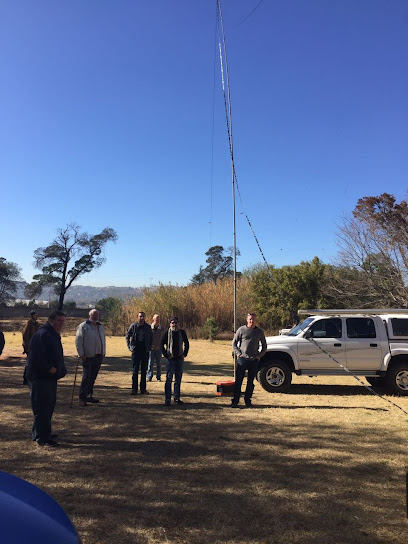
The West Rand Amateur Radio Club, based in Weltevreden Park, Roodepoort, Gauteng, operates as a long-standing hub for licensed radio amateurs and prospective operators within the Roodepoort area and wider South Africa. The club presents a comprehensive programme that combines practical radio operation, licensing guidance, and regular community events. The site emphasises the organisation’s role in promoting Amateur Radio as a versatile hobby that connects operators across distances without relying on conventional telephone or internet networks.
Central to the club’s offering is support for obtaining a radio licence through the Radio Amateur Examination (RAE). The club runs two RAE preparation courses each year, typically commencing in January and June. These courses are described as mostly virtual, with some practical components hosted at the clubhouse in Weltevreden Park. Instruction covers radio regulations, etiquette, the science of radio waves, and practical tips for operating a transceiver. Notably, the content specifies that Morse Code knowledge is no longer a prerequisite for licensing. The next RAE examination is scheduled for a specific date each year (for example, 16 May 2026 in the published material), and the corresponding course start dates are published to assist prospective entrants.
Beyond licensing, WRARC operates club infrastructure to support ongoing activity. The club maintains two local repeaters for two-way communication: a 2-metre repeater (ZU9MRR) with output 145.625 MHz and input 145.025 MHz, and a 70-centimetre repeater (ZU9MRU) with output 439.000 MHz and input 431.400 MHz. Both repeaters utilise a tone on input (88.5 Hz) and are accessible via networking options such as Allstar and Echolink, reflecting the club’s commitment to enabling diverse modes of contact for members and visitors alike. The presence of these repeaters highlights the technical depth and practical training opportunities available within WRARC’s ecosystem.
The club’s activities extend into regular publications and event-led programming. Sundays feature a News Bulletin with call-ins starting at 11:20 on the 2-metre repeater and the bulletin itself commencing at 11:30, indicating a structured schedule that fosters community involvement and information sharing. In addition, the club coordinates a programme of flea markets, with dates appearing throughout the year (examples include March, May, August, and November). These events serve as opportunities for members to exchange equipment, purchase components, and engage with the wider amateur radio community.
WRARC also publicises its role in notable regional events, including hosting rights for the Africa FT4 DX Contest and SARL Top Band QSO Contests, which underlines the club’s active participation in international and national contest activity. The site communicates a broad view of Amateur Radio’s appeal—from casual conversation to emergency communications and event support—while illustrating how members contribute to sporting events and disaster-response scenarios where radio back-up is valuable.
In addition to practical operation and exam preparation, the club offers access to a range of knowledge resources. Sections dedicated to antennas, antenna construction, digital communications, and bands (aligned with IARU Region 1 planning) indicate a strong emphasis on technical education. Other topics include Arduino and Raspberry Pi projects, manuals for radios, and historical materials. This breadth of content suggests a welcoming environment for both newcomers and seasoned operators seeking to expand technical skills.
Visitor feedback, drawn from public reviews, portrays WRARC as a friendly, supportive community with a culture of mentoring new amateurs. Reviewers note approachable training, ongoing post-exam support, and a welcoming atmosphere that encourages learning and operation. While some comments reference the desire for broader youth participation, the overall tone recognises WRARC as a well-maintained, helpful club with enduring appeal to hobbyists and professionals alike.
Typical services and experiences at a glance
- Educational courses: RAE exam preparation (two courses per year), mostly virtual with practical clubhouse sessions
- Licensing support: guidance through the ICASA licensing process and examination logistics
- Radio operation infrastructure: two club repeaters (2m and 70cm) with connected network access
- Regular communications: Sunday News Bulletins; weekly or periodic call-ins and information sharing
- Public events: annual flea markets; hosting of major contests (Africa FT4 DX Contest, SARL Top Band QSO Contests)
- Knowledge resources: antennas, digital communications, manuals, and project pages for hands-on learning
Practical tips for customers
- Check the club’s calendar for RAE start dates and examination schedules to align preparation with the exam cycle.
- Plan visits to the Weltevreden Park clubhouse for practical sessions associated with RAE courses.
- Utilise the club’s repeater network to practise on-air involved activities and build familiarity with local operating procedures.
- Participate in Sunday bulletins to connect with members, share experiences, and learn about upcoming events.
- Attend flea markets to explore equipment, learn from experienced operators, and gauge current market pricing in a safe, community-driven setting.
WRARC serves a defined locality in Roodepoort and the broader Gauteng province, with a focus on education, practical radio operation, and community engagement through repeaters, events and contests. The combination of structured training, operational infrastructure, and active peer support makes the club a meaningful entry point for aspiring amateur radio operators and a continuing hub for seasoned enthusiasts.
Roodepoort
Gauteng
South Africa
Sorry, no records were found. Please adjust your search criteria and try again.
Sorry, unable to load the Maps API.
Club Services in Roodepoort, Gauteng
In Roodepoort, Gauteng, club facilities typically provide a blend of recreational, social and wellness services designed to cater to a diverse local community. These establishments often function as multi‑purpose venues, offering spaces for fitness, dining, events and casual socialising. The emphasis is on creating a welcoming atmosphere where members and guests can engage in shared interests, celebrate special occasions, or simply unwind after work.
Common offerings include fitness and sports facilities, meeting rooms and event spaces, as well as dining and bar services. Fitness provisions may range from well‑equipped gyms and group exercise classes to outdoor courts for activities such as squash, tennis or netball. Many clubs in the Roodepoort area also provide personal training or coached sessions organised through a straightforward sign‑up process. For those seeking quieter pursuits, libraries, lounges or quiet rooms are sometimes available, alongside organised leisure programmes for children and families.
Membership models are a hallmark of club services in this region. Prospective members typically learn about available packages through on‑site information, with options that may include access to facilities during certain hours, participation in group classes, or invitations to member‑only events. Visitors are often welcome, subject to a guest policy and the payment of day‑pass fees or event entry charges. Transparent pricing structures and clear rules help guests understand what is included, such as gym access, pool use, or dining credits.
Food and beverage services form a central part of the club experience. Many venues offer cafés or bistros that serve light meals, snacks and refreshments, with menus designed to accommodate a range of tastes and dietary requirements. In Roodepoort, it is common for evenings to feature social dinners, themed nights, or live entertainment, creating a vibrant backdrop for networking, celebrations or casual evenings out.
Events management is a practical strength for clubs in this area. From poolside parties to corporate gatherings and family celebrations, venues often provide event coordination support, catering options and bespoke décor planning. Clients can expect flexible arrangements, with spaces adaptable to different group sizes and seating configurations. For business gatherings, some clubs offer function rooms with audiovisual equipment, making it convenient to host presentations, seminars or workshops.
Practical considerations are an important part of the customer experience. Accessibility, ample parking, clean changing rooms and reliable safety protocols are typically highlighted as priorities. Staff assistance is usually available to guide visitors through facility layouts, class timetables and booking procedures. Many Roodepoort clubs also prioritise security and well‑being, implementing policies on access control, hygiene and supervision for younger visitors during peak times.
How services operate on a typical visit can be understood in straightforward terms. Upon arrival, guests may register at reception or check in digitally where available. A timetable or directory often informs about class schedules, court bookings, dining hours and event slots. Bookings for facilities such as courts, halls or private rooms are commonly managed on‑site or via a simple enquiry process, with payment required to secure a reservation. For ongoing memberships, renewal reminders and occasional promotions may be communicated through club notices or approved channels.
In sum, clubs in Roodepoort provide a practical mix of fitness, social engagement and event hosting, all supported by clear access policies and a commitment to member convenience. Those exploring options in Gauteng should expect a neighbourhood‑focused environment that emphasises accessibility, reliable service and a welcoming space for recreation and socialising.