Wings Over Africa Flying School is a Training centre establishment in Mariveni, Limpopo, South Africa
Wings Over Africa Flying School – Training Centre in Mariveni, Limpopo
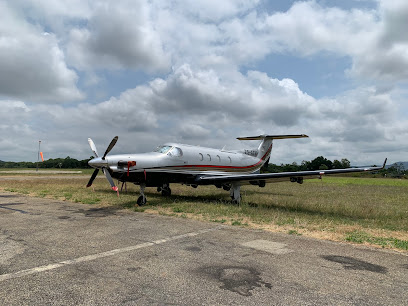
Wings Over Africa Flying School operates as a SACAA-approved flight training organisation with a long-standing presence at the Tzaneen Aerodrome, Mariveni, Limpopo. Established in 2002, the school gained accreditation from the South African Civil Aviation Authority and has since expanded its footprint with a second facility opened in 2021 at the Pietersburg Civil Airport in Polokwane. The organisation emphasises practical, hands-on flight training designed to progress pilots toward commercial aviation qualifications.
Core services cover two primary professional piloting pathways. The Commercial Pilot License (CPL) programme provides the standard pathway for those aiming to operate as professional pilots, while the Airline Transport Pilot License (ATPL) course is offered for candidates seeking the highest level of licenced qualification within civil aviation. The training is supported by dedicated facilities and aircraft, with the goal of delivering substantial flight hours and real-world readiness.
Aircraft and facilities are a notable feature of the Wings Over Africa experience. The Tzaneen site sits at the Tzaneen Aerodrome, with a tarred runway that slopes westward, and a clubhouse environment described as including lounge, kitchen and dining areas. Avgas is available at the facility, supporting uninterrupted training schedules. The school’s premises include a hangar, technical facilities and maintenance support designed to keep training aircraft mission-ready and suitable for a range of flight training activities.
The school’s growth is reflected in its geographic expansion. In 2021, Wings Over Africa opened a second training facility at Pietersburg Civil Airport in Polokwane, enabling learners and professional pilots in the region to benefit from local access to flight training resources and instruction. This dual-location arrangement helps accommodate learners across Limpopo and the surrounding areas, increasing convenience for those balancing training with other commitments.
Practical and experiential elements characterise the customer experience. The school’s offerings are supported by an online bookings system and a content-rich website detailing the available courses. Real-world feedback from visitors highlights a welcoming onsite environment, with several reviewers noting the presence of a “club-house” style facility offering light lunches, snacks and beverages for trainees and guests. The aviation community surrounding Wings Over Africa is depicted as approachable, with experienced staff and mentors available to provide guidance and advice to aspiring pilots.
What is offered
- Commercial Pilot License (CPL) training, providing the route toward professional piloting careers.
- Airline Transport Pilot Licence (ATPL) training for higher-level qualification in aviation leadership and operation.
Typical journey and interactions
Interested candidates generally engage with Wings Over Africa via the school’s website, which contains course information and an enquiry process. The presence of two training facilities helps accommodate learners locally in Tzaneen and Polokwane, with a mix of classroom and flight-hour components designed to build practical flying competence alongside theoretical knowledge.
Location and area served
The primary site operates from Hangar No. 3, Tzaneen Airport, R71 Road, Tzaneen 0850, in Limpopo Province. A secondary facility serves Polokwane at Pietersburg Civil Airport, enabling broader regional access for learners within Limpopo and adjacent areas seeking professional flight training.
Customer experience and reviews
Visitor feedback frequently mentions the well-equipped on-site amenities, including a clubhouse with lounge facilities and food offerings, contributing to a comfortable training environment. Reviewers also highlight the reliability of training operations, with positive notes on experienced staff and opportunities to gain practical flight advice. The operational at Tzaneen and the newer Polokwane site are commonly cited in discussions of the school’s capacity to deliver ongoing, accident-free training hours over many years.
Practical tips for prospective students
- Consider the two-location structure (Tzaneen and Polokwane) for potential scheduling flexibility and convenient access depending on location.
- Explore the course structure for CPL and ATPL early to align training milestones with career objectives.
- Review on-site facilities and support services, such as maintenance provisions and fuel availability, which contribute to uninterrupted training sessions.
- Utilise the online enquiry channel to obtain course specifics and expectations before committing to a programme.
Notes for visitors
Practical access to the school is through the central Limpopo aerodrome locations, with the Tzaneen site serving as a long-standing training base and the Polokwane location offering an additional regional hub. While specific business hours are not listed publicly, prospective learners are advised to engage with the school through the website for the most accurate and up-to-date information on operations, admissions, and scheduling.
Overall, Wings Over Africa Flying School presents itself as a capable, SACAA-approved training organisation with a meaningful track record of accident-free flight training hours, two accessible facilities, and supportive facilities designed to facilitate a practical, real-world approach to pilot education in Limpopo.
Mariveni
Limpopo
South Africa
Sorry, no records were found. Please adjust your search criteria and try again.
Sorry, unable to load the Maps API.
Training Centre Services in Mariveni, Limpopo
In Mariveni, a settlement within Limpopo, training centres operate as practical hubs for developing essential skills across a range of sectors. These facilities typically offer programmes designed to equip individuals with vocational abilities, industry-relevant knowledge, and foundational workplace competencies. The focus tends to be on proposals that support employment prospects, small-business development, and personal upskilling within the local economy.
Common offerings cover both short courses and longer training streams. Short courses often address immediate skills needs such as basic literacy and numeracy, computer literacy, and occupationally oriented sessions that enhance productivity in local trades. More intensive pathways may include artisan and technical training, equipment operation, and industry-specific hands-on modules that culminate in a practical assessment. In many cases, programmes are designed to be accessible to first‑time learners and to those seeking a career change, with flexibility intended to accommodate work or family commitments.
Many centres in Mariveni provide elements of workplace readiness alongside technical instruction. This usually encompasses communication skills, teamwork, problem-solving, time management, and customer service. Management and supervision topics may also be offered to support aspiring supervisors or small business owners. Where appropriate, training plans are tailored to align with local employment opportunities and community needs, ensuring that learners can transfer new competencies into real-world settings.
Facilities at these centres often include classroom spaces equipped with teaching aids, practical workshops for trades and crafts, and computer laboratories. Demonstrations, supervised practice, and supervised assessments form part of the standard approach to skill development. Learners may work on individual projects or in small groups, with feedback provided by instructors to monitor progress and adjust learning plans as required. Depending on the centre, some programmes may also integrate workplace simulations or partnerships with local employers to provide contextual practice.
Assessment and certification practices tend to vary by programme, with many centres offering a combination of ongoing assessments, practical demonstrations, and theory tests. Successful learners typically receive a certificate or credential recognised within the local or national framework, subject to the specific programme's design. While not every centre may carry formal accreditation, the emphasis remains on verifiable competence and the ability to apply skills in real work situations.
Practical considerations for prospective learners include transport and travel time, given the rural setting and road networks in Limpopo. Timetables are commonly designed to accommodate part-time attendance, with daytime and evening options available at some centres. Language of instruction is often English, but some courses may be delivered in local languages to improve accessibility. Support services such as learner counselling, study guidance, and basic learning assistance are frequently available to help students navigate coursework and balance personal responsibilities.
For employers and organisations, training centres in Mariveni frequently offer customised programmes aimed at addressing specific operational needs. This can include custom short courses, skill refreshers for existing staff, or targeted training to support safety, quality, and productivity. While specifics vary between centres, the underlying objective is to help individuals gain practical, applicable skills that contribute to workforce readiness and local economic resilience.
Potential learners are advised to inquire about course outlines, duration, intake dates, and any prerequisites. It is also prudent to explore availability of funding opportunities or subsidies that may assist with tuition or materials. Overall, training centre services in Mariveni, Limpopo, present pragmatic pathways for skill development, community empowerment, and enhanced employability within the regional economy.
- Short courses in literacy, numeracy, computer use, and basic workplace skills
- Vocational and artisan training with practical components
- Workplace readiness, communication, and professional development
- customised programmes for local businesses and employers