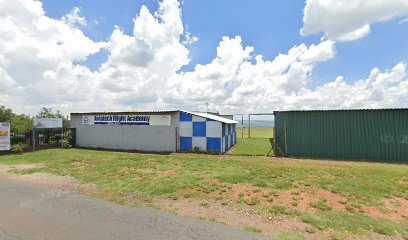
Aviatech Flight Academy is a Flight school establishment in Krugersdorp, Gauteng, South Africa
Krugersdorp
Gauteng
South Africa
Sorry, no records were found. Please adjust your search criteria and try again.
Sorry, unable to load the Maps API.
Flight School Services in Krugersdorp, Gauteng
Located in the Gauteng province of South Africa, Krugersdorp is surrounded by a network of airfields and aviation training facilities that serve aspiring pilots and seasoned flyers alike. Flight schools in the area typically provide a range of services designed to develop aviation skills from initial familiarisation to advanced flight training. The emphasis is on practical flight experience backed by classroom theory, with instruction tailored to individual progress, local regulatory requirements, and available aircraft fleets.
Core offerings usually begin with introductory sessions and familiarisation flights that allow a prospective student to experience flight operations from the cockpit. From there, training commonly progresses through recognised licence tracks, most notably the Private Pilot Licence (PPL) for individuals seeking to fly for personal interest, and the Commercial Pilot Licence (CPL) for those aiming to pursue aviation as a career. The theoretical component, often delivered through a structured ground school, covers topics such as aviation law, meteorology, navigation, aircraft systems, and radio procedures. Successful completion of these subjects typically accompanies a series of written exams conducted under the oversight of the national aviation authority.
In addition to licence training, flight schools in Krugersdorp commonly offer instrument rating (IR) programmes for pilots who wish to fly under instrument flight rules, enhancing safety and flexibility in marginal weather. Multi-engine rating courses, flight instructor qualifications, and type rating courses may also be available at certain facilities, depending on fleet composition and instructor expertise. Trainee pilots usually benefit from a combination of dual instruction in the cockpit and solo practice flights, with progress assessed by qualified instructors who monitor discipline, decision-making, and stick-and-rudder proficiency.
Practical elements are supported by access to training aircraft appropriate for beginners and more advanced lessons. Most schools maintain a schedule that balances aircraft availability with weather windows, ensuring that essential flight hours can be completed without excessive delays. Ground sessions frequently accompany flight training to cover navigation planning, fuel management, emergency procedures, and aeronautical radio communications. Safety is prioritised through pre-flight briefings, routine aircraft checks, and adherence to standard operating procedures that align with regional aviation norms.
Customers can expect a transparent progression pathway, with clear milestones such as authorised cross-country outings, simulated or real instrument approaches, and check rides with external examiners when applicable. While each flight school maintains its own calendar and resource constraints, learners generally experience a structured cadence of theory lessons followed by practical flights, with regular reviews to track progress and address any gaps in knowledge or skill.
Practical considerations for training in Krugersdorp include access to nearby airfields and controlled airspace, which influence lesson duration and route selection. Students should be prepared for variable weather patterns common to the Highveld region, including sunny days and the likelihood of thunderstorms in certain seasons, which can affect scheduling and require flexibility. Financial planning is advisable, as training commitments can span several months and involve ongoing costs for aircraft rental, instructor time, exam fees, and medical certification. Learners typically undergo a medical examination to establish fitness to fly, with the level of medical certificate determined by the chosen licence category.
Beyond the formal training, some facilities offer practical extras such as pair-flights with experienced pilots, fleet diversification where available, and access to occasional seminars or safety briefings. Prospective students are encouraged to enquire discretely about instructor experience, aircraft types in the fleet, and the tentative progression route for the specific licence or rating sought, while keeping expectations aligned with regulatory standards and local aviation practices. In Krugersdorp, aviation education is framed by professional instruction, safety-conscious operations, and a pragmatic approach to developing competent, responsible pilots for the broader South African airspace network.