Krugersdorp Flying Club is a Flight school establishment in Krugersdorp, Gauteng, South Africa
Krugersdorp Flying Club: Flight School and Airfield Services at Jack Taylor Airfield
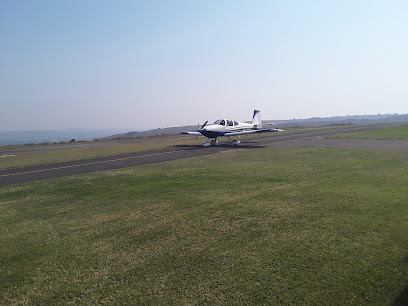
The Krugersdorp Flying Club operates as the licensee and operator of the Jack Taylor Airfield, situated about 2 nautical miles west of Krugersdorp in Gauteng, South Africa. The airfield, also affectionately known as HMS Krugersdorp, sits on a hill with a 5500-foot elevation and features a 732-metre by 29-metre tar runway (08/26) alongside a grass strip for pilot discretion. The facility lies below the Lanseria TMA, offering a distinctive approach and short finals with nearby terrain considerations that can present an exciting and educational flying environment for student pilots and visiting aviators alike.
Central to the Club’s purpose is the operation of the airfield itself, including coordination of traffic and ensuring a safe, controlled environment for general aviation activities. The airfield provides essential aviation services such as Avgas availability (fuel price updated regularly; currently R31.00 per litre) and designated fuel bay hours. The fuel bay operates from 07:45 to 16:45 on Mondays to Saturdays, and from 07:45 to 14:45 on Sundays and Public Holidays, with overnight parking incurring daily fees managed via the Club Secretary or the airfield manager. These logistical details contribute to a practical and well-structured experience for visiting pilots and regular members alike.
The airfield menu features a diverse range of flight training-related services delivered through affiliated flight schools. Two notable training providers listed in association with the Krugersdorp Flying Club are Alpi Aviation and Helivate, offering flight instruction and related aviation services within the Krugersdorp area. The presence of these schools within the same airfield ecosystem helps create a concentrated aviation hub for pilots seeking instruction, currency flights, or introductory experiences.
Joining and operating at the airfield follows a clear radio and traffic protocol. Incoming aircraft are advised to broadcast on frequency 122.0 MHz and to follow standard joining procedures for the 08/26 runway. The runway and airfield information page emphasises the need for pilots to communicate their inbound position when five miles out, and to maintain proper approach procedures given the local topography and final phases near the cliff-like terrain. Such guidance underscores the practical emphasis on situational awareness and disciplined radio discipline for student and visiting pilots.
Customer experiences shared by visitors reflect a welcoming, community-oriented environment. Reviews highlight a friendly atmosphere and the general appeal of the clubhouse, where patrons can enjoy light meals and observe aircraft activity. Numerous comments mention the opportunity to pair a visit to the airfield with a scenic or adventure flight through Helivate Helicopter Services, suggesting a complementary experience for those seeking varied aviation activities in a single trip. The positive sentiment from multiple reviewers, including accounts of helpful, “amazing” staff and a congenial club atmosphere, reinforces the sense that the airfield operates as a nurturing space for pilots at different stages of their training and experience.
Typical services and activities covered under the flight school category at Krugersdorp include classroom and flight instruction through partner schools, access to field facilities, and the chance to observe or participate in regular aviation events posted on the Club’s events calendar. The Club also provides a social and educational environment where aviation enthusiasts can engage with fellow pilots, watch aircraft operations, and enjoy meals at the clubhouse, reinforcing the sense of community that often accompanies small-airfield operations in regional hubs.
Practical tips for customers planning a visit or training engagement:
- Check the fuel bay hours in advance to align refuelling needs with operating times, noting that prices are subject to change and are listed in the airfield information section.
- When joining with a visiting aircraft, prepare to broadcast on 122.0 MHz from five miles out and follow the published joining procedure for Runway 08/26 to ensure a smooth approach.
- Consider pairing flight training with a visit to the clubhouse for a meal or a light refreshment, as several reviews point to a pleasant on-site dining atmosphere and camaraderie among pilots.
- Review the available flight school options (Alpi Aviation and Helivate) to determine which programme best aligns with training goals, whether a private licence, cross-country currency, or helicopter experiences are desired.
- Plan ahead for parking and potential overnight stays if necessary, as daily parking fees may apply for overnight aircraft storage.
The Krugersdorp Flying Club serves the Krugersdorp and Mogale City area, providing access to the Jack Taylor Airfield with its distinctive terrain and approach characteristics. The combination of flight training opportunities, airfield operations, and on-site hospitality creates a practical, community-driven aviation hub for pilots exploring general aviation in Gauteng.
Typical hours and location information indicate the airfield’s accessibility during regular business days, with updated operational details available through the club’s contact channels and the airfield manager. The club’s social media presence offers additional avenues to learn about events and community activities, helping visitors align their visits with opportunities to fly, learn, or simply observe the aviation environment.
Krugersdorp
Gauteng
South Africa
Sorry, no records were found. Please adjust your search criteria and try again.
Sorry, unable to load the Maps API.
Flight School Services in Krugersdorp, Gauteng
Krugersdorp, located on the western edge of the Gauteng province, hosts a number of aviation training providers that cater to aspiring pilots and aviation enthusiasts. Flight schools in this area typically strive to combine practical flight experience with classroom instruction, ensuring a well-rounded pathway from initial discovery to advanced flying skills. Students often benefit from access to nearby training airspace, aircraft maintenance facilities, and proximity to aviation communities within the greater Johannesburg region.
Core services commonly offered include introductory flights for first-time pilots, where individuals can experience flight under the supervision of an instructor. These sessions are designed to provide a tangible sense of piloting aircraft, establishing safety expectations and gauging sincere interest in pursuing further training. For those committed to aviation, structured training programmes lead from private pilot licence (PPL) preparation through to more advanced credentials, depending on individual goals and regulatory requirements.
Ground school is a standard component of flight training, covering aerodynamics, meteorology, air law, navigation, and aviation physiology. In Krugersdorp, instructors frequently blend theoretical lessons with practical examples drawn from local airspace, weather patterns, and typical mission scenarios. Visual aids, flight planning exercises, and simulator sessions may supplement in-person teaching to reinforce understanding before and during flight activities.
Aircraft access comprises the principal resource for flight schools. A typical fleet may include light single-engined aeroplanes suitable for initial training, with multi-engine options available for more advanced courses where permitted. Routine maintenance schedules and safety inspections are emphasised to ensure that training courses progress in a controlled, responsible manner. Instructors align flight sessions with established curricula and the learner’s progression, allowing students to build hours, develop decision-making skills, and gain confidence in varying weather and daylight conditions.
Safety is a central consideration across all aspects of flight training. Ground briefings emphasise standard operating procedures, pre-flight checks, and emergency procedures. Instructors stress the importance of personal readiness, fatigue management, and adherence to South Africa’s aviation regulations. Learners are typically guided through a gradual progression, beginning with local airstrip or controlled-airspace flights before attempting more challenging routes or instrument training, subject to appropriate approvals and currency requirements.
Practical considerations for prospective students include identifying minimum age requirements, medical certification needs, and the time commitment necessary to complete desired licences or ratings. Scheduling flexibility varies among providers, with options for part-time study alongside paid employment, subject to instructor availability and airfield operating hours. The Krugersdorp environment may offer relatively affordable access to flight training when seen against larger metropolitan centres, though costs will differ by school, aircraft type, and the scope of the programme.
Typical customer expectations include clear progression milestones, transparent safety standards, and a balanced approach to autonomy with supervision. Learners should anticipate a blend of aircraft-time, classroom work, and assessment flights designed to demonstrate competence in baseline aviation skills and regulatory compliance. Some providers may offer study packs, checklists, and logbook guidance to assist students in tracking progress and preparing for examinations set by the relevant aviation authority.
For those considering flight training in Krugersdorp, it is advisable to visit several local schools to observe facilities, speak with instructors, and review available course structures. Prospective applicants might inquire about introductory flights, currency requirements for continuing training, and the recommended sequence of licences that align with personal aviation aspirations. In the Krugersdorp context, both safety-focused practice and practical, real-world flight experience are valued components of a comprehensive training journey.