Flight Training College is a Flight school establishment in George, Western Cape, South Africa
Flight Training College: Comprehensive Pilot Training at George Airport
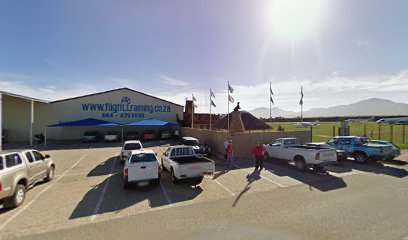
Flight Training College (FTC) offers a broad spectrum of pilot training centred on professional development while also supporting recreational and private flying. Located at Hangar 27, George Airport in the Western Cape, FTC emphasises safety, knowledge and skill development as foundations for successful aviation careers. The college highlights its international-standard facilities and its aim to prepare graduates for either private aviation or commercial roles within the industry.
The core services focus on pilot licences and ratings. The curriculum covers Private Pilot Licence (PPL), Commercial Pilot Licence (CPL) and Airline Transport Pilot Licence (ATPL). In addition to full licence pathways, FTC provides specialised ratings such as Night Rating, Instrument Rating (IR), Multi-Engine Rating (ME), and Instructor Rating (IR). The training progression is presented in an accessible guide that outlines every step in the journey from initial flight training to advanced qualifications, supporting learners with a clear pathway to their desired aviation career.
Beyond standard licences, the college offers a creditable array of certificates and tests important to aviation competency. These include Restricted Radio and General Radio Skills Tests, which are conducted on-site, complementing flight training with essential air-ground communication qualifications. This combination positions FTC as a practical option for aspiring pilots seeking a broad, end-to-end training experience.
Instruction at FTC is delivered by a team described by visitors as knowledgeable, approachable and committed to student success. Testimonials recount a welcoming environment, patient instructors and a structured curriculum that blends theoretical instruction with hands-on flight experience and simulator sessions. The emphasis on safety and thorough preparation underpins the learning experience, supporting learners through check-ride readiness and real-world flying confidence.
In addition to formal training, FTC has demonstrated a willingness to innovate and expand services. News posts indicate new offerings such as jet conversions on a Cessna Citation 501, reflecting an openness to broaden student exposure to different aircraft platforms. The presence of a continuing flow of information via blog posts and career guidance materials suggests a holistic approach to aviation education, including insights into industry prospects and practical career planning.
The typical student experience, as reflected by reviews, highlights a family-like atmosphere, responsive staff, and strong practical teaching. Visitors note high standards of training, supportive mentors, and a focus on hands-on learning. The operational environment is described as well-maintained, with safety prioritised in both the fleet and the instructional process. The geographic location—George Airport—offers access to diverse training conditions and a recognised aviation hub within the region.
FTC also engages with community and outreach initiatives, which theatres in continued engagement beyond core training. This broader footprint reinforces the college’s commitment to aviation education both locally and in wider contexts, contributing to a well-rounded learning ecosystem for aspiring pilots.
Main services offered
- Private Pilot Licence (PPL)
- Commercial Pilot Licence (CPL)
- Airline Transport Pilot Licence (ATPL)
- Ratings: Night, Instrument, Multi-Engine, and Instructors
- Restricted and General Radio Skills Tests
- Flight training progression guidance and career information
- Jet conversions (recently announced)
Typical job types and aviation pathways
The programmes support pathways into private aviation and commercial flying. Graduates commonly pursue airline or charter aviation roles, with an emphasis on meeting industry requirements and developing flight experience, technical knowledge, and safety standards. The presence of instructor and instrument ratings also indicates potential progression into flight instruction and professional training roles as part of a broader aviation career trajectory.
How requests usually work
Potential students engage with FTC through its on-site location at George Airport, using the published contact details to obtain information about programmes, progression steps and scheduling. The site provides detailed course pages and a progression guide to help applicants assess suitability and plan their training journey. On-site facilities and access to on-airfield training environments support practical, hands-on learning from the outset.
Practical tips for customers
- Review the Flight Training Progression Guide to understand each stage of the training journey and the prerequisites for advancing to the next licence or rating.
- Check the on-site availability of training aircraft and simulators to maximise hands-on practice and readiness for real-world flying.
- Explore the radio skills tests as part of the broader qualification set to avoid potential bottlenecks in communications training.
- Consider the timing of visits and training blocks around March and other relevant dates listed in their events calendar for CPL ground school topics and related sessions.
- Visit the campus or contact the team to discuss accommodation or transport options if travelling from outside the area, as some reviews mention local support for learners new to George.
Hours and location
FTC operates from Hangar 27 at George Airport, George, Western Cape. The precise hours are not listed here, but the on-site nature of the college and the availability of training sessions and tests suggest regular weekday activity with additional sessions aligned to the CPL ground schools and exam preparation calendar as shown on the site.
FTC serves learners primarily in the George area and broader Western Cape, with a growing footprint through new training offerings and industry connections, positioning it as a recognised option for aspiring pilots seeking professional preparation in a picturesque aviation hub.
George
Western Cape
South Africa
Sorry, no records were found. Please adjust your search criteria and try again.
Sorry, unable to load the Maps API.
Flight School Services in George, Western Cape
George, nestled in the lush Garden Route region of the Western Cape, is recognised as an accessible centre for aviation training. Flight schools in this area typically offer a structured programme designed to develop piloting skills from initial discovery flights to professional aviation qualifications. Training facilities are often located near George Airport, benefitting from straightforward access to varied local airspace and dependable Southern African weather patterns, which provide a practical backdrop for year‑round practice and progression.
Most flight schools provide a clear progression pathway that blends ground theory with hands‑on flight experience. Theoretical instruction commonly covers navigation, meteorology, aviation law, radio procedures, flight planning, and fuel management. Practical training encompasses pre‑flight checks, basic handling, stall awareness, cross‑country flying, navigation exercises, instrument scanning, and emergency procedures. The aim is to build solid airmanship and decision‑making capabilities while ensuring adherence to safety and regulatory requirements.
Typical services available to prospective pilots in George include introductory or trial lessons, private pilot licence (PPL) programmes, and progression tracks towards more advanced qualifications such as licence ratings and, where relevant, commercial or instructor endorsements. Courses are often offered on a modular basis to accommodate part‑time students, working professionals, or full‑time aspiring aviators. Many schools emphasise safe flight operations, meticulous record‑keeping, and a disciplined training cadence to support steady skill development.
In terms of practical considerations, geographies around George present a broad training environment. The area offers coastal views, rolling hills, and well‑established air routes that enable diverse and realistic flight planning. Training typically employs a fleet appropriate to learning phases, which may include light fixed‑wing aircraft with two seats for solo practice and multi‑seat trainers for dual instruction. Maintenance standards are usually the responsibility of the school or its operating partner, with routine inspections and equipment checks integral to daily readiness. Students should anticipate standard medical and medical‑certificate prerequisites, along with interpretation of airspace classifications and radio communication protocols used at regional aerodromes.
Administrative aspects of enrollment vary by school but generally cover student visas or local residency where applicable, compliance with national aviation authorities, and the scheduling of lessons to align with weather windows and daylight hours. Safety protocols are a fundamental element, often incorporating incident reporting, risk assessment, and adherence to established flight safety management practices. Ground school components frequently involve simulated exercises, navigation charts, and use of flight planning software to complement practical exercises on the aircraft.
Prospective pupils can expect to undertake regular assessments to monitor progress, including practical flight tests and written examinations. The status of a candidate’s logbook, hours flown, and competencies is typically reviewed periodically to ensure readiness for the next milestone. After successful completion of required theory and flight time, awards or licences are issued in line with national regulatory standards, and graduates may pursue further qualifications depending on career goals, such as professional pilot training or instruction roles.
- Introductory flights and discovery sessions
- Private pilot licence (PPL) training and ground school
- Instrument rating and cross‑country navigation practice
- Commercial pilot licence (CPL) pathways and instructor ratings (where offered)
- Aircraft familiarisation, safety briefings, and maintenance awareness
- Logbook management, progress assessments, and examination preparation
Overall, flight school services in George provide a practical, location‑specific gateway to aviation training. Learners can expect a calm, supportive environment that fosters precision, safety, and progressive skill development through a combination of theoretical study and structured flight operations within a credible regional aviation framework.