Jabiru Aircraft SA is a Aircraft manufacturer establishment in George, Western Cape, South Africa
Jabiru Aircraft South Africa: Comprehensive Manufacture, Sales and Support in George
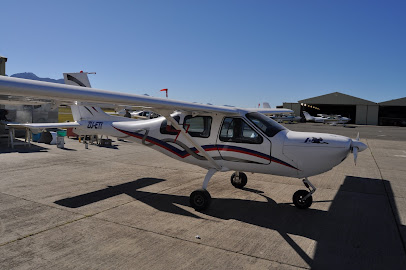
Jabiru Aircraft South Africa, based in George in the Western Cape, operates as the authorised distributor and local manufacturer of the Australian Jabiru aircraft range for Africa. The organisation presents itself as a longstanding, accessible partner in aviation, emphasising affordability alongside reliability. Since 1991, it has been registered as an aircraft manufacturing facility, underscoring a sustained commitment to developing and delivering the Jabiru family of light fixed‑wing aircraft and associated aero‑engines to the Southern African market.
Central to the business is a commitment to reducing dependence on international supply chains while maintaining competitive pricing. The company notes that a portion of the composite parts for Jabiru aircraft are manufactured in South Africa under licence, which helps minimise exchange‑rate fluctuations and keeps running costs favourable compared with alternative aircraft in the same class. This localisation supports both pricing stability and a steady supply of components for local operators.
Jabiru Aircraft South Africa presents a concise service proposition that spans three core areas: customising, servicing and spares. The emphasis is on providing a complete lifecycle for aircraft and owners, from initial purchase through to ongoing maintenance and parts supply. This integrated approach is framed as a straightforward path for customers seeking dependable, well‑engineered and economical aviation solutions.
In terms of products, the business highlights a selection of Jabiru models that have become popular in the region. The J430 is described as the most popular model, reflecting broad appeal and practical performance. The J170 is linked to charitable initiatives such as Operation Save The Rhino, signalling a social aspect associated with some of the line. The J432 is positioned as the next step for pilots seeking a further progression in capability. These listings convey a clear focus on hallmark light aircraft that suit training, private flying and light‑sport roles within the Southern African context.
Customer experience, as reflected by visitor feedback, points to a hands‑on, transparent approach. One account notes a factory visit to George where the owner provided a guided tour, explained manufacturing processes, and answered questions. The workshop is described as tidy and well organised, which reinforces the impression of professional engineering standards. Reviews from other visitors are generally positive, reinforcing the sense that the operation is accessible and reputable for prospective buyers and aviation enthusiasts alike.
For potential customers and visitors, practical insights emerge from the available material. The company positions itself as covering “sales to support” across the lifecycle of Jabiru aircraft, indicating that inquiries may move from initial interest through to aftersales assistance and ongoing parts supply. The emphasis on complete support suggests a process in which requests are dealt with by experienced staff capable of guiding customers through choosing the right model, planning build or assembly, and arranging necessary servicing or spares when required. Those seeking to understand total ownership costs are likely to find the suggested focus on affordability and low running costs relevant to decision‑making.
Geographically, the operation serves South Africa and the broader African region, reflecting Jabiru’s distribution footprint and the South African manufacturing capability. The George location is presented as the hub for this activity, and the company’s presence in the region is reinforced by local manufacturing and parts supply alongside direct sales and technical support.
Practical tips for customers include considering a factory visit or tour to gain a hands‑on understanding of manufacturing quality and the scope of available parts and services. Prospective buyers should evaluate total cost of ownership, including maintenance and running costs in light of the localisation of components. Engaging early with the team on customisation options can help tailor aircraft configurations to specific training, recreational or operational requirements. Given the emphasis on spares and servicing, building a relationship with the service network is advisable to ensure timely parts supply and scheduling for routine maintenance.
Hours of operation and best times to visit are not detailed in the public material, but the visible customer feedback suggests a willingness to accommodate visitors and answer questions, subject to appointment practicality. The George facility situates Jabiru Aircraft South Africa as a convenient base for aviation enthusiasts in the Western Cape as well as for regional operators seeking reliable, locally supported Jabiru aircraft and components.
George
Western Cape
South Africa
Sorry, no records were found. Please adjust your search criteria and try again.
Sorry, unable to load the Maps API.
Aircraft Manufacturer Services in George, Western Cape
George, situated in the Western Cape, serves as a recognised hub for aerospace engineering and related manufacturing services in South Africa. The locality benefits from access to skilled engineering talent, experienced technicians, and a growing network of suppliers and support services. Within this context, aircraft manufacturer services encompass a range of activities designed to support the development, production, and lifecycle management of aviation hardware and systems.
Across typical supplier and customer interactions, the emphasis is on delivering reliable, capable solutions that meet stringent safety and performance standards. Service offerings commonly span design support, engineering optimisation, and the fabrication of airframe components, assemblies, and systems. There is often a focus on precision manufacturing, including sheet metal work, composite component fabrication, and machining, paired with rigorous quality assurance processes to ensure conformity with applicable aviation requirements.
Integrated programmes may include prototype development, tooling and fixture creation, and the assembly of sub‑systems such as avionics, flight control interfaces, propulsion interfaces, and related equipment. In many cases, facilities provide testing and verification capabilities, enabling functional checks, structural assessments, and system integration trials before final delivery. This may extend to initial flight demonstrations, stress testing simulations, and iterative design refinements aligned with customer specifications and regulatory expectations.
Support for the ongoing operation of aircraft and related assets is another central element. Services frequently cover post‑production support, including diagnostics, maintenance planning, parts procurement assistance, and supply chain coordination. Refurbishment and upgrade projects can address ageing components, cabin modernisation, or performance enhancements, while end‑of‑life considerations may involve disassembly, recycling, and responsible disposal planning in compliance with environmental guidelines.
From a commercial perspective, customer engagements tend to emphasise collaboration, transparency, and measurable project milestones. Prospective buyers or operators can expect clear scoping, defined timelines, and documented quality controls, with emphasis on traceability of components and conformity to applicable aviation standards. Where applicable, programmes may be structured to facilitate local employment and capacity development, supporting regional growth and resilience in the aerospace sector.
Geographical advantages play a role in service delivery. George's location supports efficient access to regional markets, transport routes, and nearby technical colleges or training facilities that bolster workforce skills. This ecosystem can streamline procurement and reduce lead times for tooling, materials, and specialised parts. Local providers often emphasise close collaboration with customers to tailor capabilities, whether for small‑scale production, batch manufacturing, or customised fabrication projects demanding specific dimensions and tolerances.
When considering engaging with an aircraft manufacturer in George, potential clients should evaluate several practical aspects. These include the maturity of the quality management framework, the availability of testing and validation capabilities, and the ability to supply documentation that supports regulatory review and future maintenance needs. Clients may also consider total project cost, potential procurement pathways, and the logistics of receiving finished components or assemblies. Sustainability and environmental responsibility frequently feature in supplier assessments, alongside health and safety practices within workshops and production areas.
Overall, aircraft manufacturer services in George, Western Cape, position itself as a versatile layer within the aviation supply chain. By combining local engineering expertise with a focus on compliant design, careful manufacturing, and dependable after‑sales support, these providers aim to meet the diverse needs of regional operators, maintenance organisations, and partner manufacturers seeking reliable, customisable aviation solutions.