PACAD | First-Aid, Firefighting Training and Aviation is a Emergency training establishment in Pretoria, Gauteng, South Africa
Pretoria
Gauteng
South Africa
Sorry, no records were found. Please adjust your search criteria and try again.
Sorry, unable to load the Maps API.
Emergency Training Services in Pretoria, Gauteng
Emergency training services in Pretoria encompass a range of programmes designed to equip organisations and individuals with practical skills to respond effectively to incidents. Located within Gauteng, Pretoria offers access to providers that tailor courses to workplace environments, construction sites, healthcare facilities, educational institutions and public venues. The focus is on immediate, life-saving actions, followed by coordinated communication and incident management, all delivered in a manner aligned with local health and safety expectations.
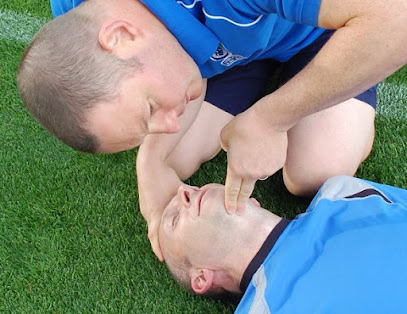
Typical offerings include fundamental lifesaving skills such as cardiopulmonary resuscitation (CPR) and defibrillation, along with first aid for common injuries and medical emergencies. Courses frequently cover recognising deterioration, stabilising casualties, controlling bleeding, and maintaining airway patency until professional help arrives. In addition, many providers offer comprehensive first aid at work programmes that integrate legal and practical considerations, encouraging a pro-active safety culture within organisations.
Fire and evacuation training is commonly provided to prepare individuals and teams for safe evacuation in event of a fire or other emergency. Practical instruction often includes how to raise alarms, use fire extinguishers appropriately, identify safe assembly points, and manage crowd movement to reduce risk. Some courses address fire prevention measures, routine safety inspections, and the development of evacuation plans tailored to specific premises.
Disaster readiness and resilience training form another core strand. These sessions explore threat identification, communication protocols, incident command principles, and the coordination of responders. Scenarios may simulate natural hazards, medical crises, or hazardous material incidents, emphasising clear decision-making, role assignment, and orderly escalation of concerns.
Workplace safety training frequently emphasises practical risk reduction across sectors such as manufacturing, logistics and service delivery. Topics may include near-miss reporting, risk assessments, safe lifting and manual handling, personal protective equipment (PPE) use, and establishing emergency contact networks. Several providers offer customised packages that map onto existing safety policies and site-specific hazards, reinforcing compliance through hands-on drills.
Training typically occurs through a mix of on-site and off-site formats. On-site programmes enable realistic drills within the actual workspace, allowing participants to practise procedures in familiar surroundings and to involve relevant staff, security personnel or facility managers. Off-site or venue-based sessions can be beneficial for larger cohorts or for themed programmes that require dedicated facilities, such as high-fidelity simulations or debriefing rooms. In all cases, instruction combines demonstrations, guided practice, and supervised performance assessment.
Delivery methods favour practical, experiential learning. Instructors lead with real-time coaching, provide feedback after each exercise, and encourage reflective discussion to embed learning. Manikins are commonly used for CPR and first aid practice, while stabilisation techniques, bandaging, and immobilisation are demonstrated with realistic props. Emphasis is placed on clear communication, teamwork, and decision-making under pressure, which are essential during emergencies in any setting.
Practical considerations for potential clients include assessing course length, certification expectations, and the suitability of training for various staff groups. Organisations often seek programmes that suit mixed skill levels—from novices to those needing refresher courses—while considering the frequency of renewal training and any mandatory compliance demands. Accessibility, language preferences, and the availability of simulators or specialised equipment can influence scheduling. Importantly, providers typically align sessions with local regulations and best-practice guidance, while avoiding claims about specific platforms or proprietary guarantees.
Overall, emergency training services in Pretoria cater to a broad spectrum of organisations seeking to strengthen preparedness and response capabilities. By combining practical instruction with realistic drills and supportive debriefings, these offerings aim to build confidence, improve response times, and protect lives in the event of an emergency.
- CPR and defibrillation
- First aid at work
- Fire safety and evacuation
- Disaster response and incident management
- Workplace risk reduction and safety training