Powered Flight Training Centre is a Flight school establishment in Pretoria, Gauteng, South Africa
Powered Flight Training Centre – Flight School in Pretoria, Gauteng
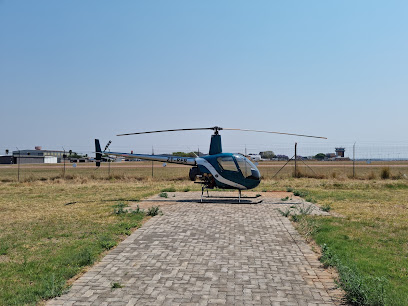
Powered Flight Training Centre presents itself as a specialised helicopter training facility that has grown since its inception in February 2006. Beginning with a single Robinson RH-22, the operation expanded to include several RH-22 and RH-44 helicopters, supported by a sizeable hangar space opened in January 2011. The facility positions itself as a comprehensive partner for aspiring helicopter pilots seeking to advance their skills, build hours, or pursue professional certifications.
From the outset, the centre emphasises practical, instructor-led instruction. Training offerings cover a broad spectrum of helicopter-related aims, including private pilot licensing, commercial pilot licensing, instrument and night ratings, and specialised ratings. The site signals a holistic approach to learning, combining hands-on flight experience with targeted ground school and study options. Instruction is described as one-on-one, a structure that centres individual attention and customisation to the student’s needs, with additional self-study support available for those who prefer independent study, backed by instructor availability when assistance is required.
Key training programmes are outlined to guide prospective students. The Private Pilot Licence (PPL) pathway is complemented by Commercial Pilot Licence (CPL) training, with provisions for advanced helicopter flight training under experienced instructors. The Instrument Rating (IFR) programme enables flight by reference to instruments, including practical training that utilises a FNPT simulator that is approved by the Civil Aviation Authority (CAA). The Night Rating is highlighted as a valuable credential for flying after dark, with requirements noted for eligibility within the South African aviation framework. The Instructor Rating pathway is also featured, enabling graduates to teach helicopter pilot training themselves while continuing to accrue flight hours toward the CPL.
Further offerings show a specialised focus on industry-related competencies beyond standard pilot training. The centre advertises Game Capture Rating and Sling Rating, indicating capabilities in wildlife management operations and aerial load operations, respectively. These programmes suggest an emphasis on practical, mission-oriented aviation skills and diversification of career avenues for pilots who seek non-traditional work within the aviation sector.
Visiting observers may note the organisation’s stated commitment to becoming a preferred partner for those pursuing aviation careers, with partner-style support from instructors and staff. Customer comments included in public forums reflect appreciation for friendly, experienced instructors and a welcoming environment. Several reviews commend the facilities and the leadership, while noting positive interpersonal experiences such as feel-at-home atmospheres and collaborative staff teams.
The training framework is complemented by service options that go beyond purely instructional flights. The centre promotes Hire and Fly arrangements and Charter Flights, signalling versatility for clients who require aircraft access, pilot services, or specialised flight activities outside standard training sessions. This combination of training, practical flight services, and licensed operations positions the centre as a versatile hub for helicopter aviation in the Gauteng region.
In summary, Powered Flight Training Centre offers:
- Comprehensive helicopter training programmes, including PPL, CPL, Night Rating, and Instrument Rating, guided by experienced flight instructors.
- Ground school tailored to individual learners, with one-on-one instruction and optional self-study support.
- Specialist ratings such as Instructor, Game Capture, and Sling ratings to broaden career opportunities within aviation and wildlife operations.
- Operational offerings that extend to hire-and-fly and charter flights, enabling practical flight opportunities beyond pure training.
- A learner-centric environment with emphasis on friendly, competent staff and supportive facilities.
Practical tips for prospective students and customers:
- Confirm entry requirements and document readiness early, given that some ratings have specific prerequisites and flight-hour expectations.
- Leverage one-on-one teaching to tailor a progression plan aligned with career goals, while using self-study when appropriate to complement practical sessions.
- Ask about FNPT simulator availability for instrument training to maximise safe, simulated practice before real-world flight time.
- Inquire about the range of aircraft types available for training to ensure alignment with the desired ratings and mission profiles.
- Discuss potential career trajectories in wildlife support, game capture, or sling operations if exploring non-traditional helicopter roles.
Powered Flight Training Centre serves the Pretoria and greater Gauteng aviation community with a suite of training programmes and related helicopter services. The combination of experienced instructors, flexible learning modes, and additional flight service options suggests a well-rounded approach for individuals aiming to pursue helicopters as a vocation or a demanding avocation.
Pretoria
Gauteng
South Africa
Sorry, no records were found. Please adjust your search criteria and try again.
Sorry, unable to load the Maps API.
Flight School Services in Pretoria, Gauteng
Flight schools in Pretoria, Gauteng, deliver a range of aviation training programmes designed to accommodate aspiring pilots and professional pilots alike. Training typically combines classroom theory with practical flight instruction, overseen by qualified instructors and regulated under South Africa’s Civil Aviation Authority (SACAA). The location’s proximity to major airfields and controlled airspace provides a realistic learning environment, while the surrounding network of training routes supports structured progression from foundational skills to more advanced operations.
Common offerings begin with entry-level instruction and continue through to licence milestones and specialised ratings. Prospective students usually start with an introduction to aeronautical theory and basic flight handling, coupled with attendance at ground school where air law, meteorology, navigation, aircraft performance, and human factors are taught. As knowledge deepens, practical sessions enable hands-on flight experience in light general aviation aircraft, followed by progressive licences and ratings as appropriate to the learner’s goals.
Key services typically provided include:
- Introductory flight experiences and aviation curiosity tests to assess suitability for training.
- Private Pilot Licence (PPL) training, encompassing both ground theory and in-flight instruction, leading to a recognised qualification for solo and supervised flight operations.
- Commercial Pilot Licence (CPL) training for those seeking professional aviation careers, with expanded flight time requirements, advanced manoeuvres, and navigation procedures.
- Instrument rating and instrument flight rules (IFR) training for flying in marginal weather and under precision navigation, often supported by simulator sessions and practice flights.
- Multi-engine rating where applicable, enabling flight with more than one engine and related performance considerations.
- Flight planning, radio communication, and airspace procedures that reflect South Africa’s aviation environment and local Pretoria-area routes.
- Theory instruction aligned with SACAA standards, including examinations and progress assessments to monitor attainment and readiness for licence checks.
- Ground school and syllabus-based study materials, with structured schedules designed to balance theory with practical flying time.
- Flight safety and risk management training, health and medical fitness guidance, and regulatory compliance assistance to ensure lawful and responsible operation.
- Exam preparation and check rides, culminating in formal licence tests and validation flights conducted under appropriate supervision.
For trainees in Pretoria, practical considerations often shape the training experience. The local climate and altitude can influence aircraft performance and flight planning, while Pretoria’s airspace and nearby control zones offer realistic traffic patterns suitable for early skill development and complex routing practice. Access to well-maintained training aircraft and qualified instructors is essential, as is the availability of approved simulators to extend learning when weather or scheduling constraints limit actual flight time.
Prospective students should consider logistical aspects such as training pace, scheduling flexibility, and the total duration required to achieve licence milestones. Medical fitness, appropriate licensing prerequisites, and ongoing regulatory updates are important factors in planning a successful course of study. By engaging with reputable Pretoria flight schools, learners can expect a structured, safety-conscious pathway from initial exposure through to certified qualifications, with ongoing opportunities for professional progression within South Africa’s aviation sector.