Tandem Skydive is a Aircraft maintenance company establishment in Cape Town, Western Cape, South Africa
Tandem Skydive: Service Overview and Customer Experience in Cape Town
Located in the Western Cape, Tandem Skydive presents a specialised set of aviation-adjacent experiences centred on skydiving training, tandem jumps, and rigging-related services. From an outside observer’s perspective, the operation combines instructional depth with hands-on participation, drawing on extensive experience to guide first-time jumpers through a defined progression while offering professional maintenance and equipment support for experienced skydivers.
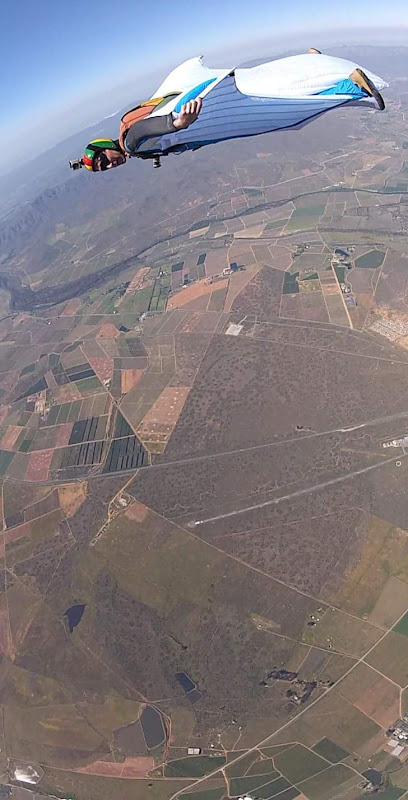
The core offering is the tandem jump, which is pitched as a highly accessible entry point into skydiving. A typical tandem experience begins with a briefing delivered by an instructor, followed by a secure connection of the jumper’s harness to an experienced instructor. The experience is described as a controlled ascent in a 20-minute scenic flight, providing views of notable terrain such as the Breede River Valley, Winelands, and Cape Fold Mountains. The jump itself is framed as an initial freefall of approximately 35 seconds, after which a parachute ride of 3–5 minutes culminates in a gentle landing. Upon return to terra firma, participants are presented with a certificate, along with moments of celebration common to the experience, such as high fives and photos or video keepsakes.
The service suite also includes learning pathways for individuals who wish to pursue longer-term involvement in the sport. The Accelerated Freefall (AFF) programme is described as the contemporary method for acquiring skydiving proficiency. The curriculum progresses from a Static Line Groundschool to a first jump, followed by a structured ten-level progression that moves through body position, altitude awareness, parachute deployment, piloting, and landing skills. The programme culminates in certification as a safe and independent skydiver, subject to age, weight, and prerequisite course requirements. The entry price for a first AFF jump is noted, reflecting the programme’s affordability as a stepping stone to more advanced training.
For those with a preference for a traditional learning curve, the Static Line course is offered as a traditional path into freefall progression. This route is positioned as suitable for teambuilding and those who may wish to continue toward full certification, with a defined set of progression levels and skill milestones that mirror the industry’s standard training arc. Practical constraints include weight limits and age requirements, which are clearly stated as part of the programme’s terms.
Beyond training and jumping, Tandem Skydive provides rigging and equipment-focused services. The rigging division takes a professional stance toward equipment care, operating with a philosophy of treating customer equipment as if it were its own. Services include bi-annual inspections and reserve repacks as required by the Parachute Association of South Africa (PASA), repairs and modifications to parachute systems, and a shop offering new and used skydiving gear. The equipment lineup features well-known brands and components across canopies, harness systems, reserve systems, and safety devices, indicating a comprehensive capability in maintaining aviation-grade safety standards for skydiving gear.
Customer testimony, drawn from visitor reviews, highlights several recurring strengths. Reviewers frequently praise the staff’s professionalism, friendliness, and willingness to engage with clients across the spectrum of experience. Specific comments mention instructors who are capable, personable, and adept at capturing moments on video, thereby enhancing the overall experience. The tone of feedback suggests a welcoming culture that supports encouragement and safety, with a focus on ensuring that first-time jumpers feel secure while still enjoying the thrill and scenic beauty of the flight and dropzone environment.
Typical engagement flows involve choosing a course or jump package, selecting optional media add-ons for souvenirs, and completing the safety briefing and equipment checks with the support of experienced instructors. The operation services several dropzones across the region, including Skydive Cape Town and other South African locations, which indicates flexibility in scheduling and geographic reach within the country’s skydiving network.
Practical tips for customers include ensuring compliance with stated age and weight limits, bringing closed, comfortable shoes for the jump, and preparing for a briefing that explains altitude awareness, body position, and landing technique. For those booking tandem experiences, considering the camera packages in advance can be worthwhile if sharing the experience with friends and family is a priority. Prospective students should be prepared for a multi-step learning path if pursuing AFF or Static Line training, with progression contingent on demonstrated skills and safety criteria.
In terms of accessibility and service hours, the available information emphasises a continuous emphasis on safety, instructor availability, and willingness to accommodate bookings across multiple dropzones in the region. The breadth of services—from introductory tandem jumps to full training pathways and full rigging support—positions Tandem Skydive as a comprehensive resource within the Cape Town aviation and adventure sector, serving leisure seekers and aspiring skydivers alike.
Cape Town
Western Cape
South Africa
Sorry, no records were found. Please adjust your search criteria and try again.
Sorry, unable to load the Maps API.
Aircraft maintenance services in Cape Town, Western Cape
In Cape Town, aircraft maintenance organisations (AMOs) provide a broad range of services designed to keep fleets operating safely and efficiently within the regulations governing aviation in South Africa. Located in a region known for its aviation activity and international travel demand, maintenance providers in the Western Cape combine technical expertise with practical logistics to support commercial operators, private flyers and regional air services alike. Customers can expect technicians to work within carefully controlled environments, supported by established procedures and standard maintenance practices that align with international and national standards.
Typical services offered by aircraft maintenance providers in this area cover scheduled maintenance, line maintenance and base maintenance, depending on the size and type of aircraft. Scheduled maintenance may include routine inspections, component tracing, lubrication, servicing of flight control surfaces, and functional checks of systems such as the electrical, hydraulic and avionics networks. Line maintenance tends to occur at or near the airport apron, focusing on quick-turnaround tasks, defect rectification and daily checks that help ensure airworthiness between heavier maintenance visits. Base maintenance involves more extensive checks, component replacements, troubleshooting and extensive testing in a controlled workshop setting, often executed during periods of aircraft downtime or overnight, to minimise disruption to flight operations.
Avionics and electrical systems form a critical area of work, with technicians inspecting navigation instruments, communication equipment, autopilots and electronic display systems. The maintenance provider will commonly diagnose faults using diagnostic tools, perform software updates where appropriate, and verify system integrity through functional tests. Structural maintenance covers airframe inspections, corrosion prevention and treatment, repair of skin damage, inspection of fasteners and the assessment of fatigue life where required. Access to airworthiness data, engineering approvals and approved maintenance schedules is essential to ensure that work complies with civil aviation authority requirements and industry best practice.
Customers can expect a clear, reassured process from initial contact through to completion. A typical pathway starts with an assessment of the maintenance needs, followed by a quotation based on the scope of work, parts availability and the expected downtime. Work orders are prioritised to meet regulatory obligations, scheduling constraints and customer flight requirements. Documentation is a key deliverable, with maintenance records, service history, airworthiness certificates and compliance notes updated to reflect performed tasks. When complex troubleshooting is involved, engineers may perform a root-cause analysis, implement a corrective action and schedule follow-up checks to confirm reliable operation.
Practical considerations for clients include the importance of planning ahead for planned maintenance, especially for fleets with multiple aircraft or tight operational schedules. Availability of spare parts, access to authorised maintenance manuals and the proficiency of technicians in the specific aircraft type are important factors in choosing a maintenance partner. Facilities often feature clean, well-lit workshops with dedicated tooling, calibration capabilities, and secure storage for aircraft components. Operator safety and environmental responsibilities are typically addressed through established waste management, chemical handling procedures and adherence to aviation regulatory requirements.
In the Cape Town context, maintenance providers may emphasise regional convenience, with proximity to Cape Town International and smaller aerodromes, plus links to suppliers and authorised service networks. Clients should expect transparent communication about scope, timelines and potential operational impacts. While service offerings can vary by facility size and capability, the overarching objective remains consistent: to ensure airworthiness, support reliable aircraft performance and enable timely, compliant operations for aviation activities across the Western Cape and beyond.
Typical service areas
- Scheduled maintenance and inspections
- Line maintenance and defect rectification
- Base maintenance and major component overhauls
- Avionics, electrical and avionics software support
- Structural inspections, corrosion control and airframe repairs
- Systems testing, calibration and functional checks
- Maintenance planning support and record-keeping
Overall, aircraft maintenance providers in Cape Town offer a practical blend of technical capability, regulatory compliance and operational sensibility, designed to keep aircraft in safe and reliable service while accommodating the needs of diverse operators in the region.